

 En
En



Coreless Linear Motor vs Brushless Linear Motor: What’s the Difference?
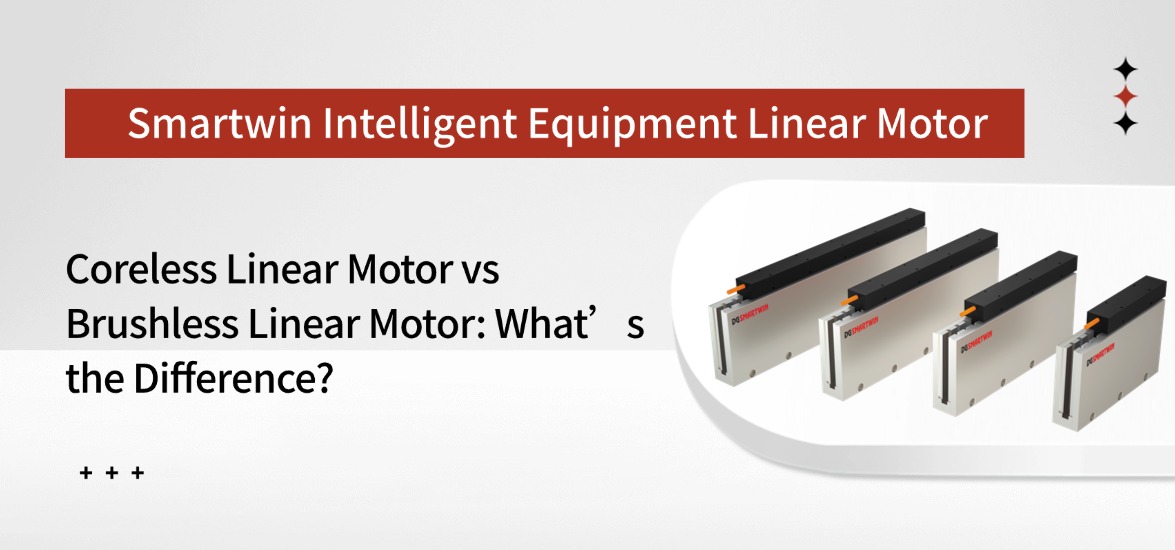
This article explains the distinction and compares the characteristics that matter most in precision positioning, high-speed scanning, inspection, semiconductor automation, and other direct-drive applications.
1. What Is a Coreless Linear Motor?
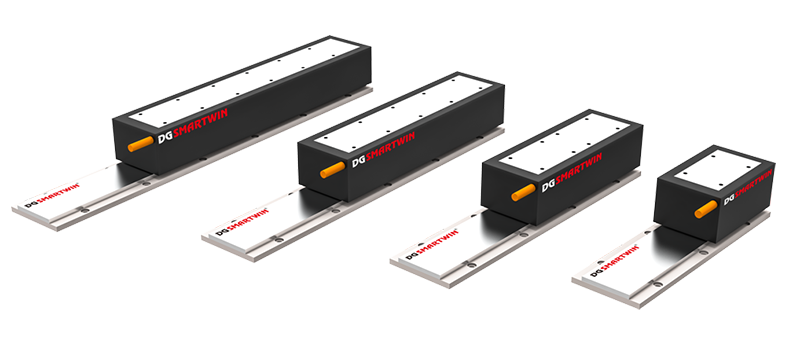
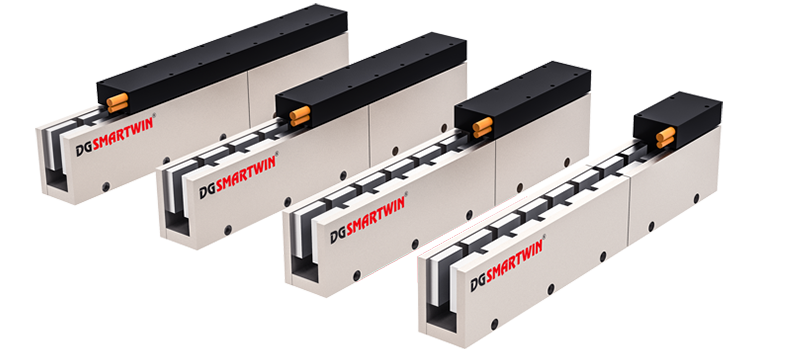
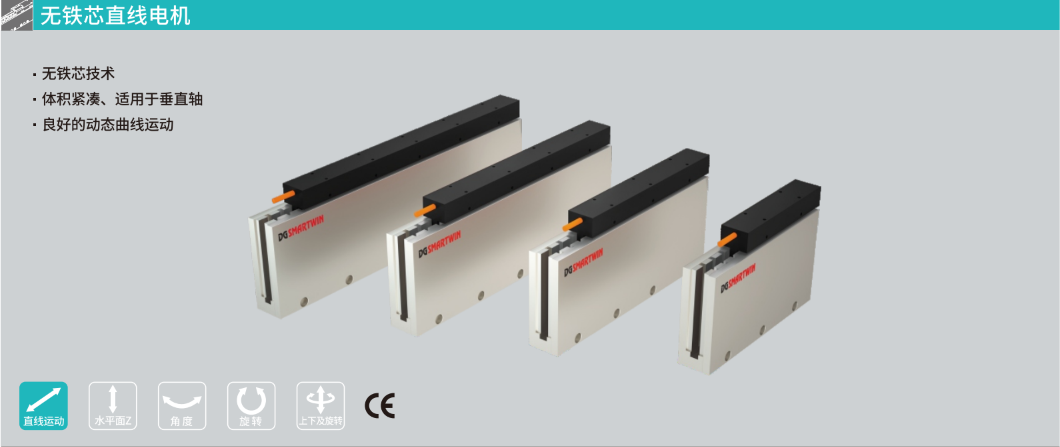
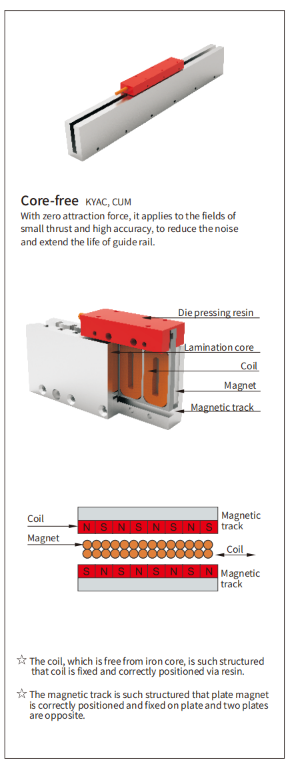
A coreless linear motor, also known as an ironless linear motor, uses a coil assembly without an iron core. The coil moves directly within the magnetic field of the permanent magnet track, producing linear motion.
Because there are no iron teeth in the coil, the motor generates almost no cogging force and no magnetic attraction between the coil and magnet track. This supports smoother low-speed motion, lower moving inertia, and faster response to position and acceleration commands.
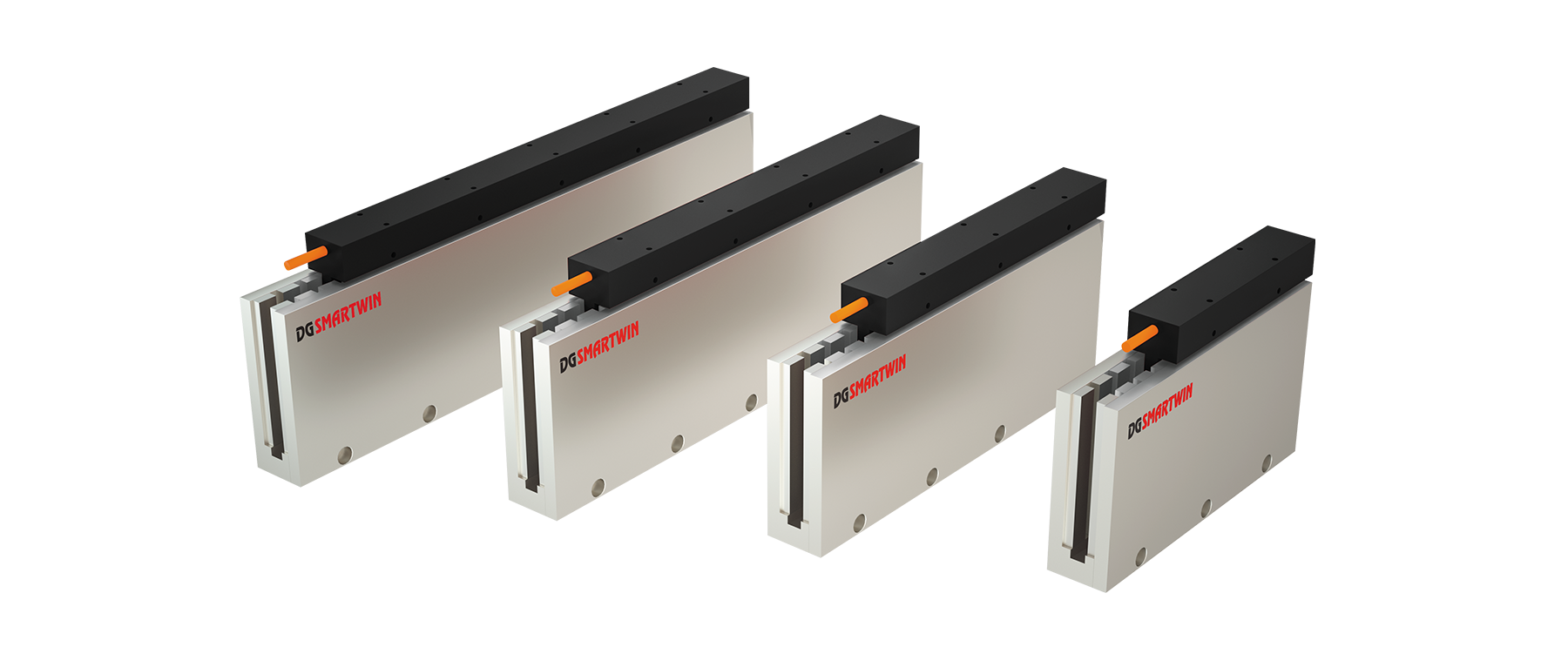
These characteristics make coreless linear motors suitable for precision positioning, high-speed scanning, optical inspection, semiconductor equipment, laser processing, and other applications that require smooth and responsive direct-drive motion.
2. What Does Brushless Mean in Linear Motors?
In a linear motor, “brushless” means that current is switched electronically rather than through mechanical brushes and a commutator. The servo driver controls the current in each motor phase according to position feedback, allowing the coil and magnet track to generate continuous linear thrust.
Because there is no physical brush contact, brushless linear motors have fewer wear components and produce no brush dust or electrical arcing. This makes them suitable for precision automation, clean production environments, and systems that require reliable long-term operation.
Brushless describes the motor’s commutation method, not its internal core structure. A linear motor can therefore be both coreless and brushless, while iron-core linear motors are also commonly designed with brushless electronic commutation.
3. Coreless vs Brushless Linear Motors: Key Differences
A direct comparison can be misleading because a coreless linear motor is usually one type of brushless linear motor. The actual engineering comparison is more often between a coreless brushless linear motor and an iron-core brushless linear motor.
Comparison Point | Coreless Linear Motor | Brushless Linear Motor |
Meaning of the term | Describes a coil without an iron core | Describes electronic commutation without brushes |
Relationship | Normally operates as a brushless motor | May use a coreless or iron-core structure |
Cogging force | Almost none | Depends on the internal motor structure |
Magnetic attraction | None between the coil and magnet track | May be present in iron-core designs |
Moving inertia | Generally low | Depends on coil and motor construction |
Force density | Usually lower than comparable iron-core designs | Can be low or high depending on structure |
Low-speed smoothness | Very good | Depends on cogging, feedback, and servo tuning |
Typical focus | Precision, smoothness, fast response | Broad category covering many servo motor designs |
Structural Difference
Coreless and brushless describe different aspects of a linear motor. Coreless refers to a coil without an iron core, while brushless refers to electronic commutation without mechanical brushes.
A coreless linear motor is therefore usually also brushless. The two terms are not opposites and should not be treated as separate motor categories.
Motion Smoothness
A coreless structure produces almost no cogging force, which supports smoother low-speed movement and more consistent velocity.
Brushless operation alone does not guarantee the same result. An iron-core brushless motor may still produce force ripple because of the interaction between the iron teeth and the permanent magnets.
Force and Dynamic Response
Coreless linear motors have low moving inertia and respond quickly to acceleration and position commands. They are commonly used in lightweight stages that require rapid movement and short settling times.
Iron-core brushless linear motors generally provide higher force density, making them more suitable for heavier loads and applications with greater continuous-force requirements.
The final choice should be based on moving mass, acceleration, duty cycle, settling time, travel length, and thermal conditions rather than peak thrust alone.
Mechanical Load
A coreless linear motor generates no magnetic attraction between the coil and magnet track, reducing the additional load placed on the guide rails and bearings.
An iron-core motor produces attraction force that must be supported by the guides, mounting plate, and machine frame. This force should be considered when evaluating structural stiffness and bearing capacity.
Control Characteristics
Both coreless and iron-core brushless linear motors require servo control and encoder feedback for accurate positioning.
Coreless motors respond quickly because of their low inertia, so excessive gain, sharp acceleration changes, or encoder noise can affect stability. Iron-core systems may require additional attention to cogging, magnetic attraction, and structural resonance.
4. Which Linear Motor Fits Precision Motion Applications?
The right linear motor depends on the machine’s motion priority. Smoothness, payload, acceleration, operating cycle, installation space, and process force should be considered together rather than comparing motor names alone.
Coreless Linear Motors for Smooth Precision Motion
A coreless linear motor is usually preferred when the stage must move smoothly at low speed, accelerate rapidly, or settle quickly after short movements. Its low-inertia coil and cogging-free structure make it suitable for processes where small velocity fluctuations can affect inspection, measurement, alignment, or processing quality.
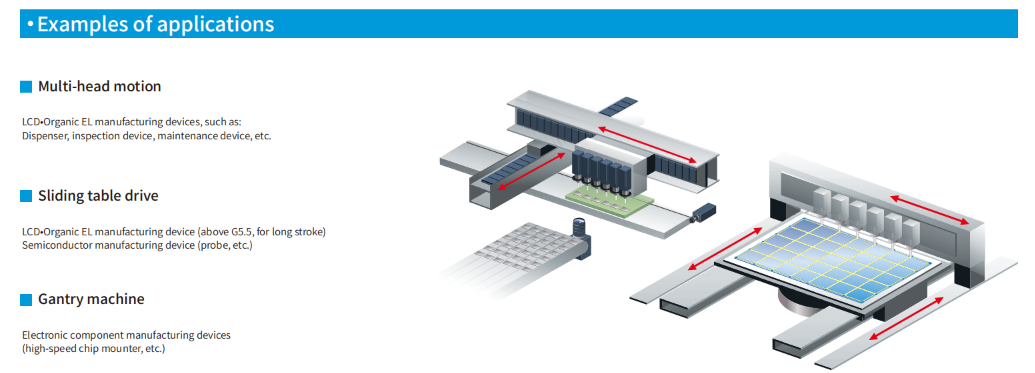
SMARTWIN CUM coreless linear motors are commonly applied in semiconductor inspection, optical positioning, laser scanning, medical automation, and other lightweight precision stages. These applications typically place greater emphasis on motion consistency and dynamic response than on maximum force density.
Iron-Core Linear Motors for Higher Load Capacity
An iron-core brushless linear motor is generally more appropriate when the equipment must move a heavier load or maintain higher continuous thrust. Its greater force density can support large gantries, machine tools, material-handling systems, and processing equipment with significant external resistance.
However, magnetic attraction and cogging characteristics must be considered in the mechanical design. The guide rails, bearings, frame, and feedback system should be configured to maintain stability under the additional load.
SMARTWIN Application-Based Motor Matching
SMARTWIN does not determine the motor type from payload or peak speed alone. The selection process also considers travel length, acceleration time, duty cycle, settling requirements, installation dimensions, thermal conditions, and the force applied during the production process.
For example, a lightweight inspection stage may benefit more from a CUM coreless linear motor because smooth scanning and rapid settling directly influence measurement efficiency. A larger processing platform may require an iron-core design to maintain sufficient continuous force throughout a longer operating cycle.
SMARTWIN can also coordinate the linear motor with the encoder, servo drive, guide structure, and motion requirements of the machine. This system-based approach helps ensure that the selected motor supports the actual production cycle rather than meeting only an isolated thrust specification.

Conclusion
Coreless and brushless describe different aspects of a linear motor. Coreless refers to the absence of an iron core in the coil, while brushless refers to electronic commutation without mechanical brushes. A coreless linear motor is therefore normally also a brushless motor.
SMARTWIN provides CUM coreless linear motors and iron-core linear motor solutions for different motion requirements. The final motor structure should be matched to the machine’s payload, acceleration, duty cycle, positioning needs, and operating conditions.
Read more:
https://www.zhiyingmotor.com/articledetail/how-to-control-a-coreless-linear-motor.html
Frequently Asked Questions
1. Is a coreless linear motor also brushless?
Yes. Most coreless linear motors use brushless electronic commutation. “Coreless” describes the iron-free coil structure, while “brushless” describes how current is switched through the motor phases.
2. What is the main difference between coreless and brushless linear motors?
The main difference is that the two terms describe different motor characteristics. Coreless refers to the physical coil construction, while brushless refers to an electronic commutation method that does not use mechanical brushes.
3. Is a brushless linear motor always coreless?
No. A brushless linear motor may use either a coreless or an iron-core structure. Both designs can use electronic commutation, but their force density, cogging, moving inertia, and magnetic attraction are different.
4. Which linear motor provides smoother low-speed motion?
A coreless linear motor generally provides smoother low-speed motion because it produces almost no cogging force. This makes it suitable for scanning, inspection, measurement, optical alignment, and other processes that require stable velocity.
5. Which motor provides higher continuous thrust?
An iron-core brushless linear motor normally provides higher continuous thrust and force density than a comparable coreless design. It is often used for heavier payloads, large gantries, machine tools, and applications with greater process resistance.
6. Are coreless linear motors suitable for high-speed positioning?
Yes. The lightweight coil gives a coreless linear motor low moving inertia, allowing it to accelerate, decelerate, and settle quickly. Its actual performance still depends on the payload, guide system, encoder, servo tuning, and machine structure.
7. Do both motor types require an encoder?
Both coreless and iron-core brushless linear motors normally require encoder feedback for accurate positioning. The encoder measures the actual stage position so the servo system can correct velocity and position errors in real time.
8. How should engineers choose between coreless and iron-core linear motors?
A coreless linear motor is generally preferred when smooth motion, low inertia, and rapid settling are the main priorities. An iron-core linear motor is usually more suitable when the application requires heavier load capacity or higher continuous force. The decision should also consider acceleration, travel, duty cycle, installation space, and thermal conditions.
Back To List