

 En
En



Linear Drives vs Linear Motors: Which Motion Solution Is Right for Your Machine?
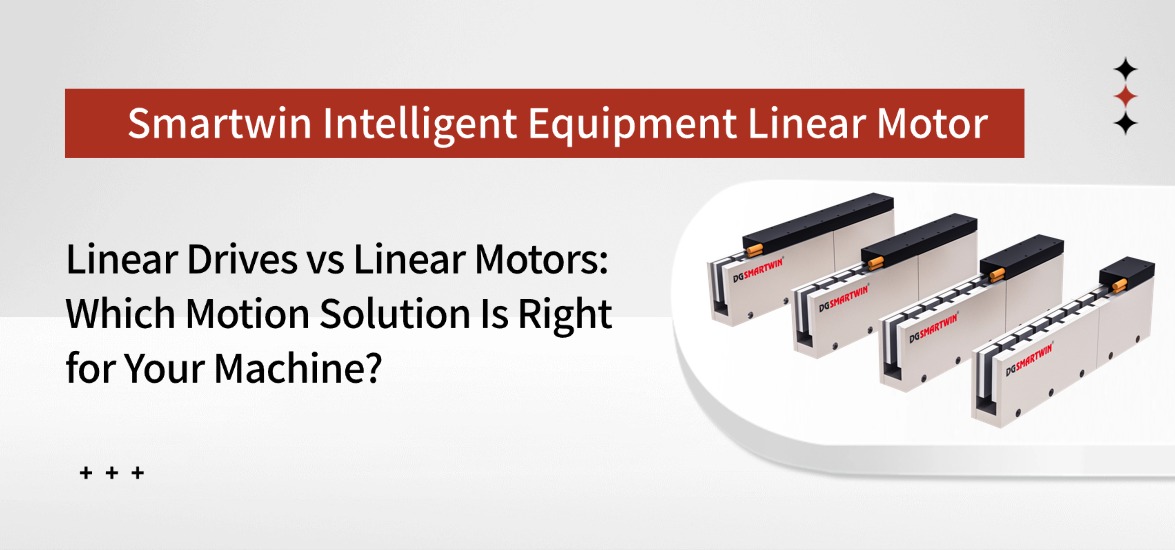
This guide provides a structured comparison between linear motors and linear drive systems, covering their working principles, system architecture differences, application scenarios, and selection logic, helping engineers identify the most suitable motion solution for their machines.
What Is a Linear Motor?
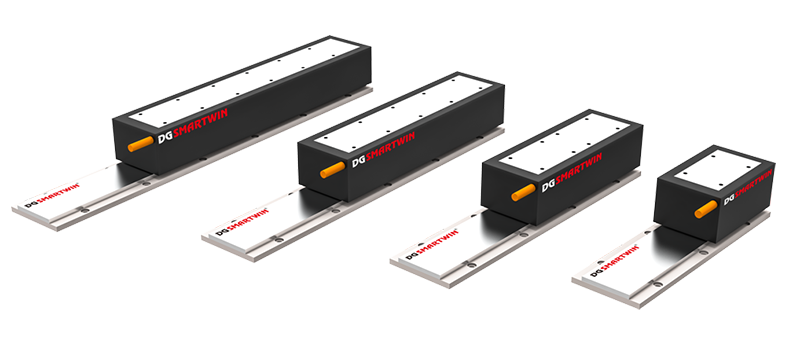
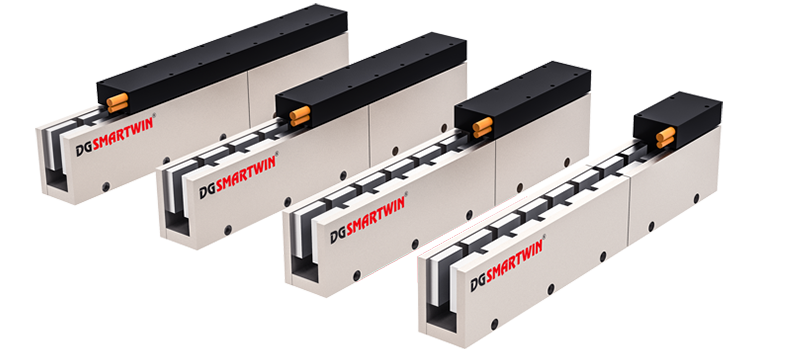
A linear motor is an electric actuator that produces motion directly along a straight path through electromagnetic interaction, without the need for intermediate mechanical conversion such as gears, screws, or belts.
Because the motion is generated directly rather than transmitted, the system can achieve precise control of position and speed with a more direct response to control signals. This also reduces mechanical losses and improves motion smoothness during operation.
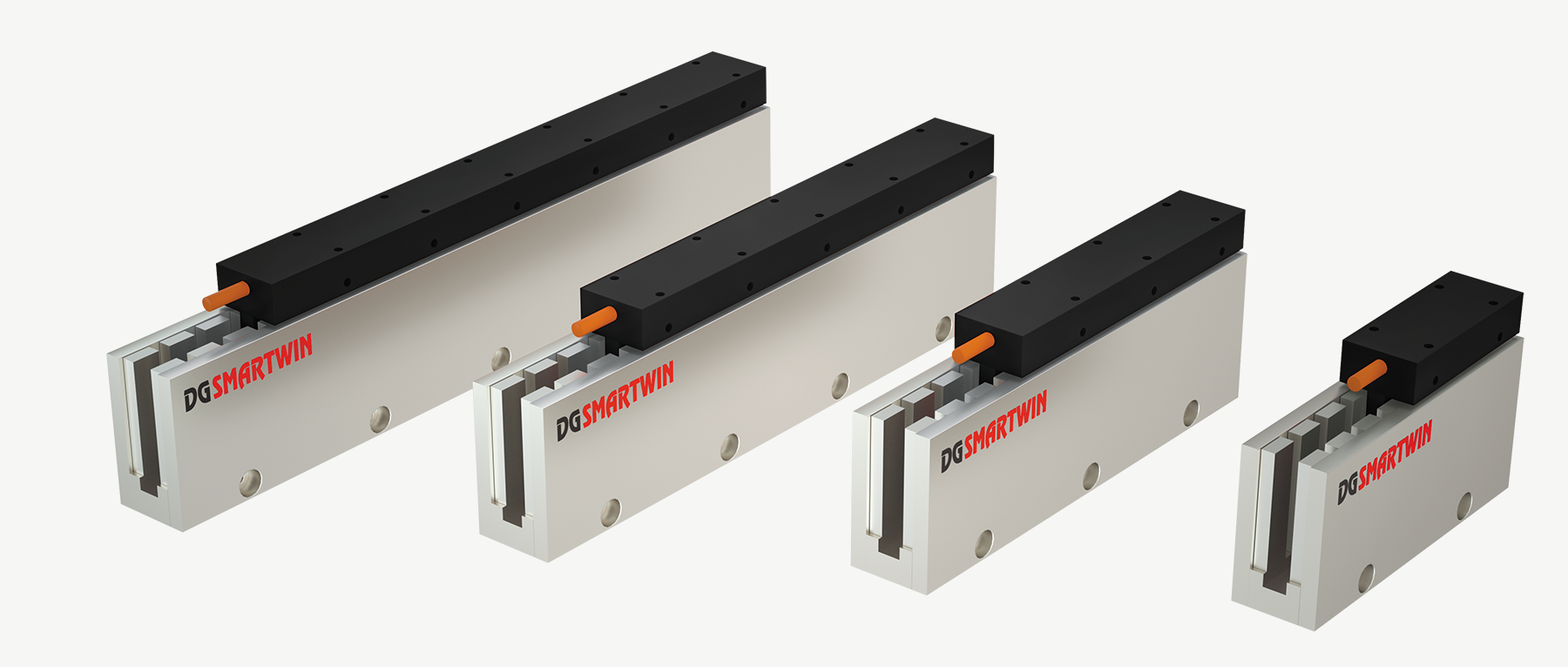
Compared with traditional motion systems that rely on mechanical transmission, linear motors are more suitable for applications where accuracy, responsiveness, and motion consistency are critical under continuous operation conditions.
What Is a Linear Drive System?
A linear drive system is a motion system that converts rotary motor output into linear motion through mechanical components such as ball screws, belts, or rack and pinion mechanisms.
Unlike direct-drive systems, the motion is generated through mechanical transmission rather than direct force output. This makes the system cost-effective and suitable for general industrial applications, but performance can be affected by mechanical wear and clearance over time.
System Architecture Comparison: Linear Drives vs Linear Motors
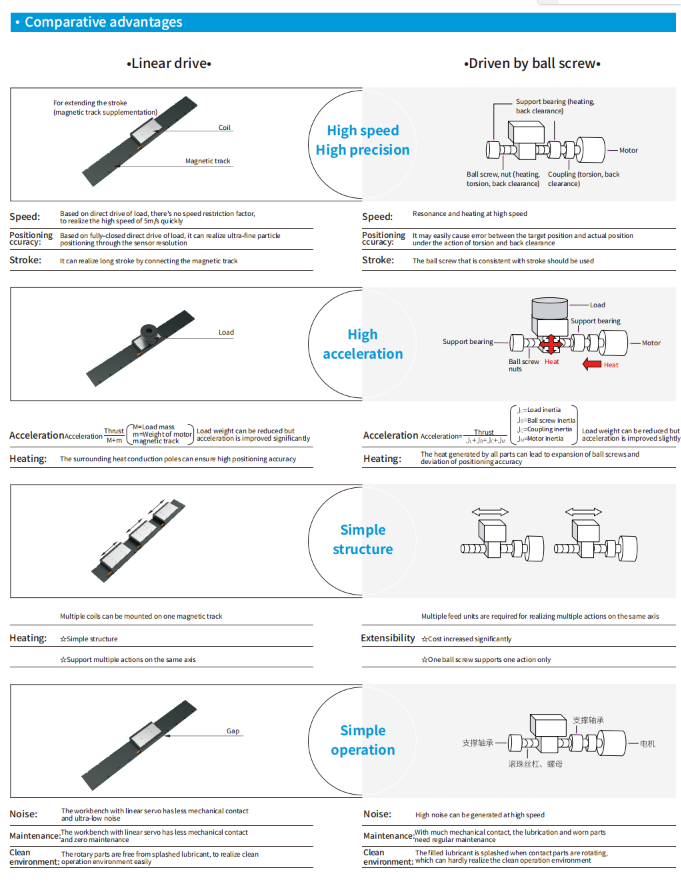
Aspect | Direct Drive Linear Motor System | Mechanical Linear Drive System (Screw / Belt / Rack) |
Motion Principle | Direct electromagnetic force generates linear motion | Rotary motor output converted into linear motion |
Transmission Mechanism | No mechanical transmission stage | Uses mechanical conversion components |
System Architecture | Integrated, simplified motion structure | Multi-component mechanical structure |
Positioning Accuracy | High precision, no backlash | Affected by backlash and mechanical clearance |
Dynamic Response | High acceleration and fast response | Limited by mechanical inertia and friction |
Maintenance Requirement | Low wear, minimal mechanical contact | Higher wear due to mechanical contact parts |
System Complexity | Lower mechanical complexity | Higher mechanical and assembly complexity |
Typical Applications | High-precision automation systems | General industrial motion systems |
Application Scenarios for Linear Motors vs Linear Drive Systems
Semiconductor & Precision Manufacturing
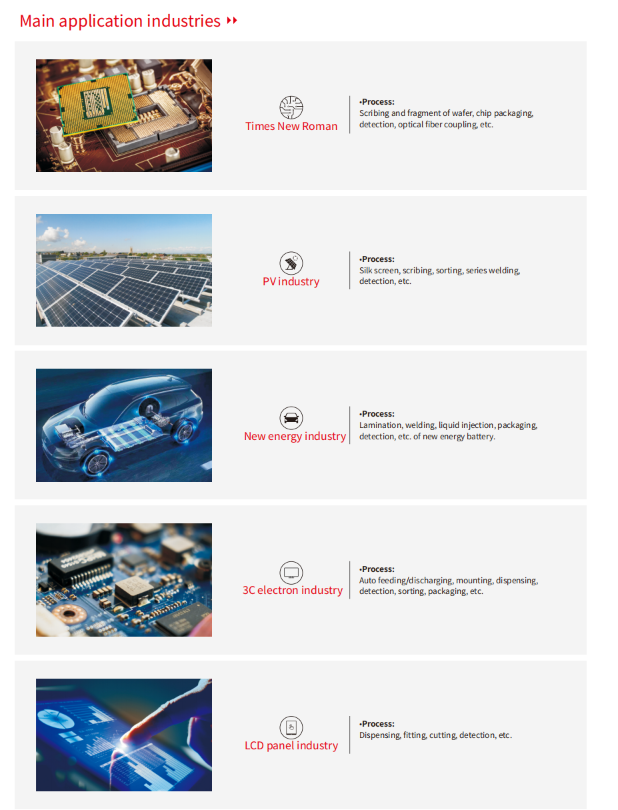
Linear motor systems are widely adopted in semiconductor production equipment, wafer handling platforms, precision inspection systems, and high-end electronic assembly processes. These applications often involve tight motion synchronization across multiple axes and require consistent micro-level positioning accuracy during continuous operation.
In these environments, performance stability under high-speed cycle repetition is critical. Systems must handle frequent acceleration and deceleration while maintaining positional consistency, which makes direct-drive architectures more suitable for precision-sensitive manufacturing processes.
Packaging & General Industrial Automation
Linear drive systems are commonly used in packaging machinery, material conveying systems, labeling equipment, and standard industrial automation lines. These applications are typically characterized by repetitive motion patterns and moderate positioning requirements.
Instead of ultra-high precision, the emphasis is placed on mechanical reliability, operational durability, and overall system cost efficiency. Mechanical transmission-based solutions provide a stable and proven approach for long-term operation in such production environments, where maintenance simplicity and robustness are often more important than fine motion accuracy.
High Precision vs High Load Selection Logic
From a system selection perspective, the choice between linear motors and linear drive systems depends primarily on whether the application prioritizes motion precision or load-handling capability.
Linear motor systems are typically used in applications that require fast dynamic response and high positioning accuracy. Their direct-drive structure enables more responsive control and better precision performance, making them suitable for high-speed automation and precision-oriented processes.
Linear drive systems, on the other hand, are more commonly selected for applications where mechanical robustness, load capacity, and overall cost efficiency are more critical than ultra-high positioning accuracy.
Application Focus | Linear Motor System | Linear Drive System |
Precision Requirement | High precision with micro-level positioning | Moderate precision with acceptable tolerance |
Load Handling | Light to medium load applications | Medium to heavy load applications |
Motion Performance | Fast response and high acceleration | Limited by mechanical transmission structure |
Cost Consideration | Higher system investment | More cost-efficient solution |
Structural Principle | Direct-drive (no mechanical conversion) | Mechanical transmission (screw / belt / rack-based) |
How to Choose the Right Motion System for Your Machine
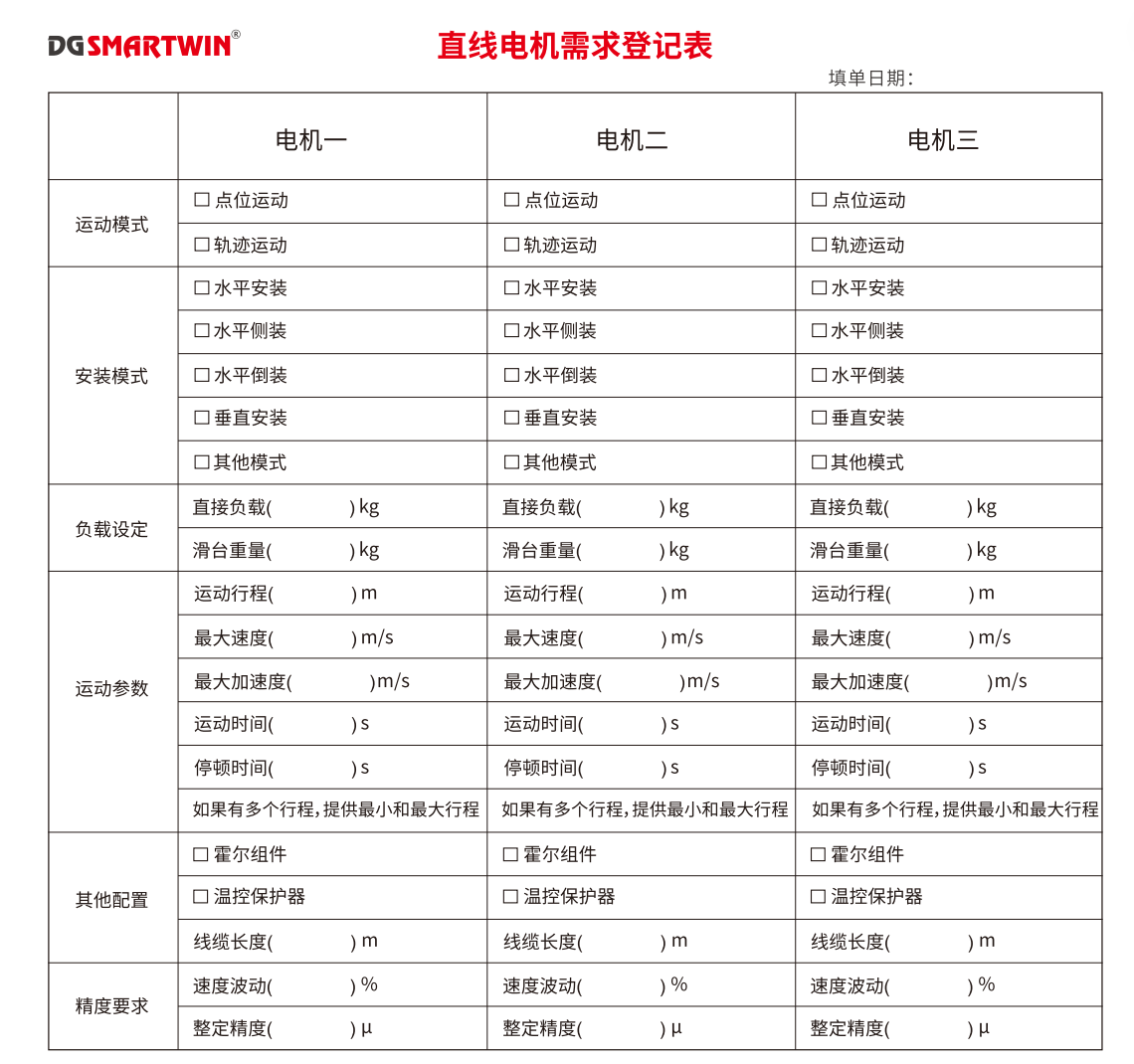
Selecting the right motion system requires a balanced evaluation of multiple application factors rather than relying on a single performance parameter. In real industrial design, system behavior is determined by how load conditions, motion dynamics, operating environment, and cost-performance expectations interact with each other.
Key Selection Factors
1.Load Requirements
The first step in system selection is understanding the actual load profile, including static load, dynamic load, and load variation during operation. Light-load systems typically prioritize speed and responsiveness, while medium to heavy-load applications require stronger thrust capability and higher structural stability.
For example, in precision automation equipment, motion loads may range from 5 kg to over 50 kg depending on the stage structure and tooling configuration, which directly influences required force output and system rigidity design.
2.Speed & Precision Priority
Different applications place different emphasis on motion performance. High-speed positioning systems, such as those used in electronics assembly or inspection equipment, require fast response and high repeatability. In contrast, general automation systems may focus more on stable operation rather than micro-level precision. Direct drive linear motor systems are particularly suitable for applications where both speed and positioning accuracy are critical.
In practice, high-end inspection platforms can require positioning repeatability within ±1–5 μm, while high-speed transfer systems may operate at acceleration levels exceeding 1–3 G, depending on system configuration.
3.Duty Cycle & Operating Environment
Continuous operation requirements significantly affect system performance and thermal stability. High-frequency start-stop motion, long duty cycles, and harsh environments such as vibration, dust, or temperature fluctuations all place additional demands on the motion system. Proper thermal management and structural design are essential to maintain consistent performance over long-term operation.
In industrial production lines, duty cycles often exceed 60–80% continuous operation, meaning the system must maintain stable output under near-continuous thermal load conditions.
4.Cost vs Performance Balance
System selection is ultimately a trade-off between performance requirements and overall cost efficiency. While high-performance direct drive systems provide superior precision and dynamic response, mechanical drive systems may be more suitable for cost-sensitive applications where extreme accuracy is not required. The optimal solution depends on achieving the right balance between system capability and project constraints.
For example, in high-precision semiconductor stages, system cost may be 2–5× higher than standard mechanical drive systems, but with significantly improved positioning accuracy and cycle time efficiency.
Company Capability & Engineering Support
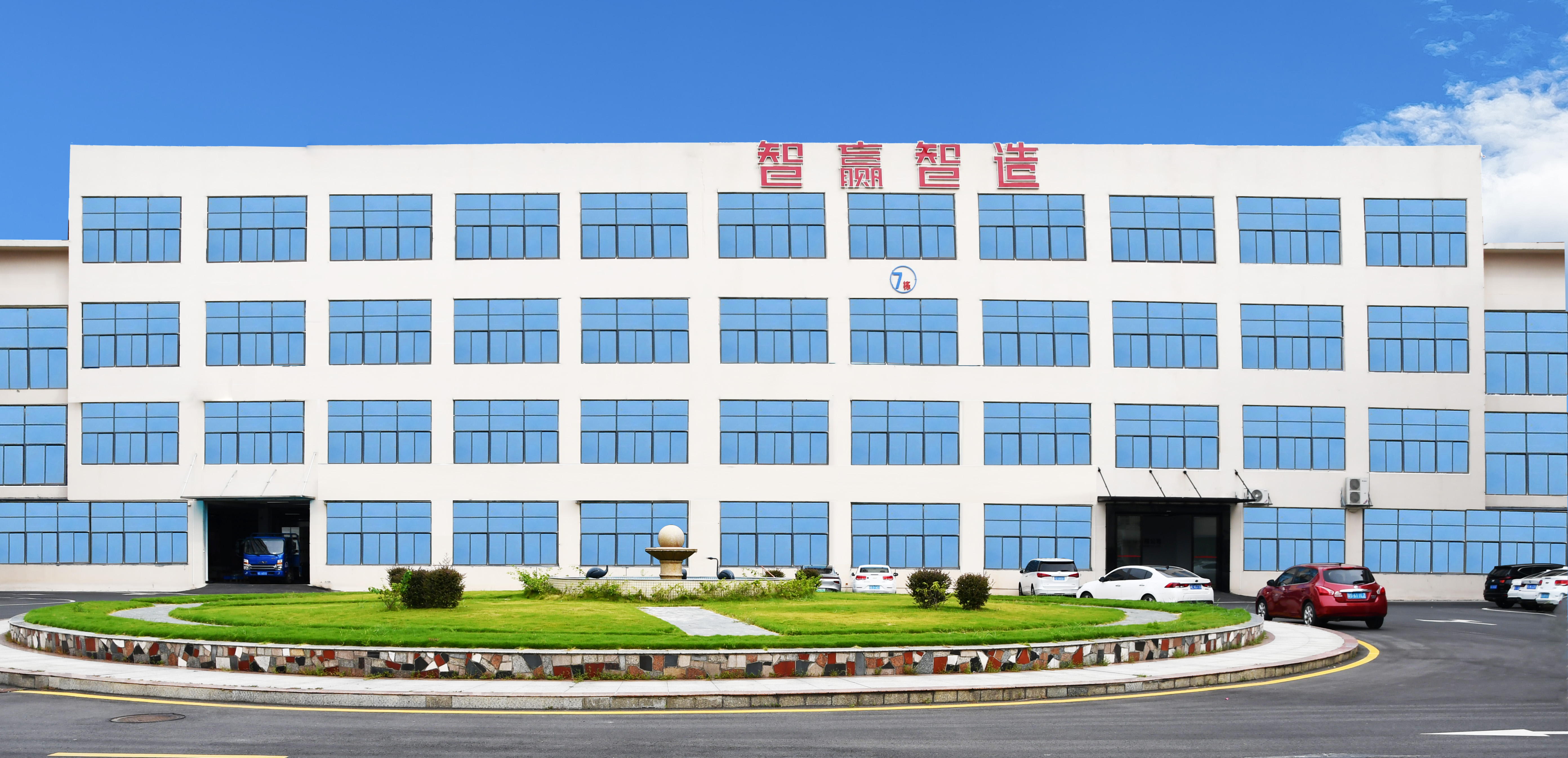
Smartwin is supported by an experienced engineering team focused on motion system design and real-world application requirements in industrial automation.
Our engineers are involved in early-stage project evaluation, helping customers review motion conditions such as load characteristics, operating speed, structural constraints, and long-term running stability. This allows more accurate technical alignment before system implementation begins.
In practical project cooperation, the team also supports customers in solving integration-related challenges, including installation structure coordination, performance verification under real operating conditions, and optimization of motion behavior in different equipment environments.
With this engineering-driven approach, Smartwin is able to support more reliable system design outcomes across a wide range of automation applications, from high-precision equipment to general industrial motion systems.
Conclusion
By understanding their structural differences and application boundaries, engineers can make more informed decisions and select the most appropriate motion system for long-term stable performance in real industrial environments.
For application support or system selection guidance, contact Smartwin’s engineering team to evaluate the most suitable motion solution for your specific requirements.
Read more:
https://www.zhiyingmotor.com/articledetail/how-to-choose-an-efficient-direct-drive-linear-motor.html
Back To List