

 En
En



DD Motor Vibration & Particle Contamination on Semiconductor Wafer Stages? SMARTWIN Delivers the Solution
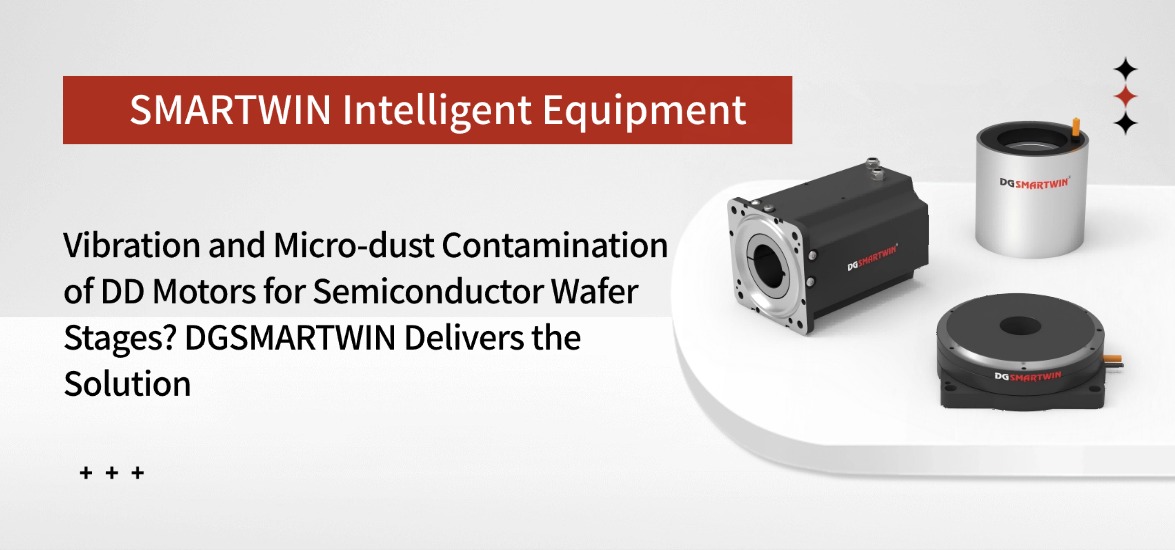
DD Motor Vibration & Particle Contamination on Semiconductor Wafer Stages? SMARTWIN Delivers the Solution
During routine equipment inspection and maintenance in semiconductor fabs, feedback frequently comes from production lines: after long-hour mass production, DD motors integrated with wafer stages suffer from a series of abnormalities, which directly reduce yield in wafer dicing and precision dispensing processes. Many system integrators underestimate the harsh operating environment of semiconductor cleanrooms when selecting conventional DD motors, leaving hidden risks.
Equipment inspection reveals failures rarely occur in isolation. Multiple defects compound gradually and raise the risk of wafer scrap. Early-stage subtle vibration is hard to detect and often overlooked by maintenance teams. Once mass defective products emerge, substantial material loss and capacity drop have already occurred.
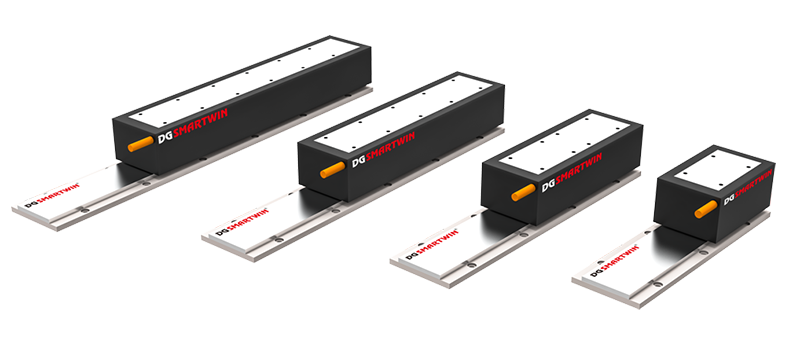
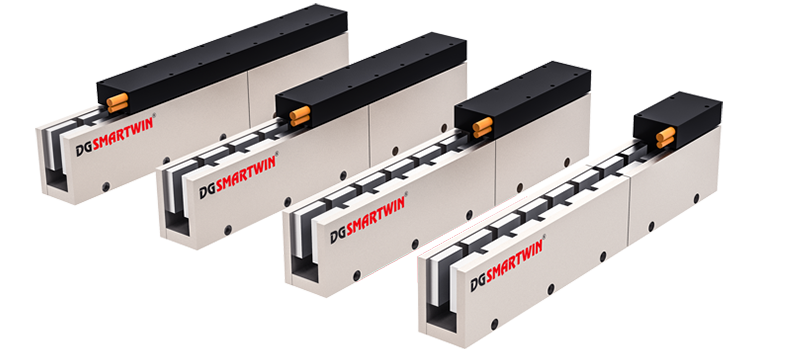
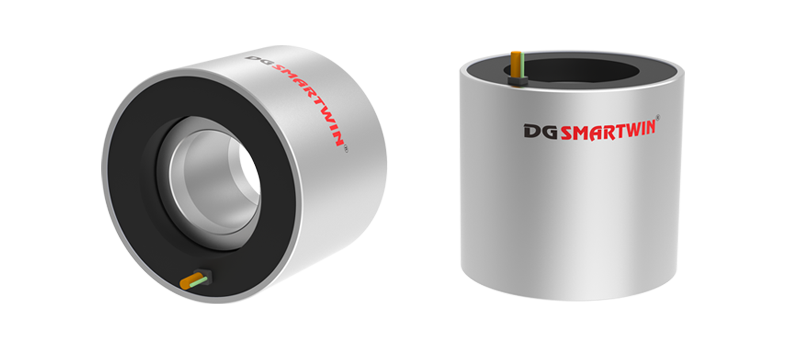
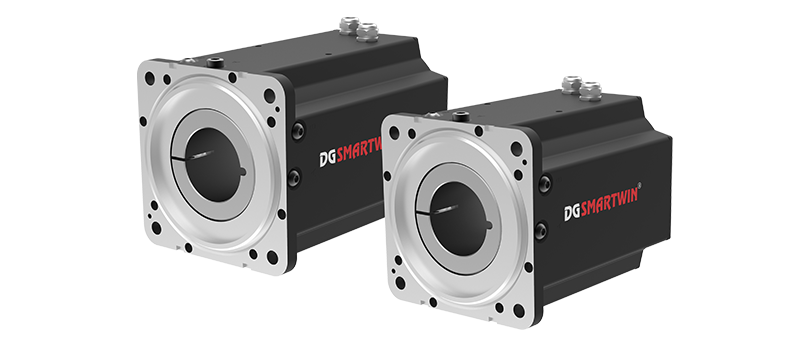
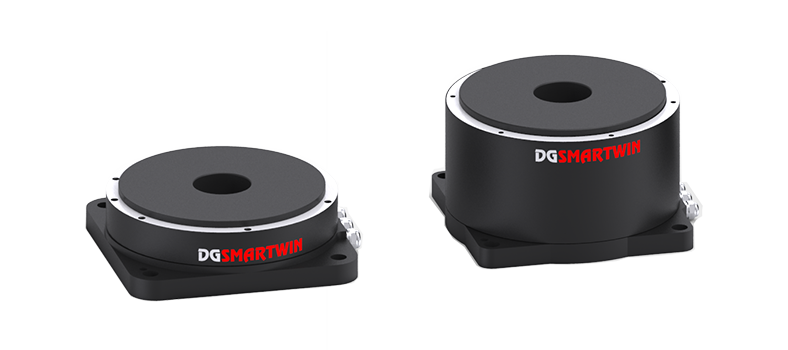
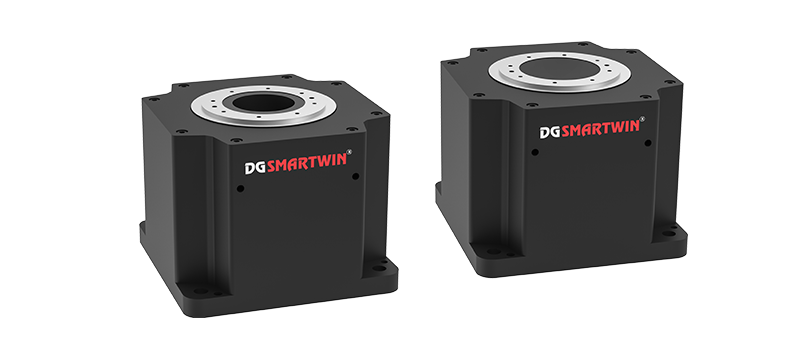
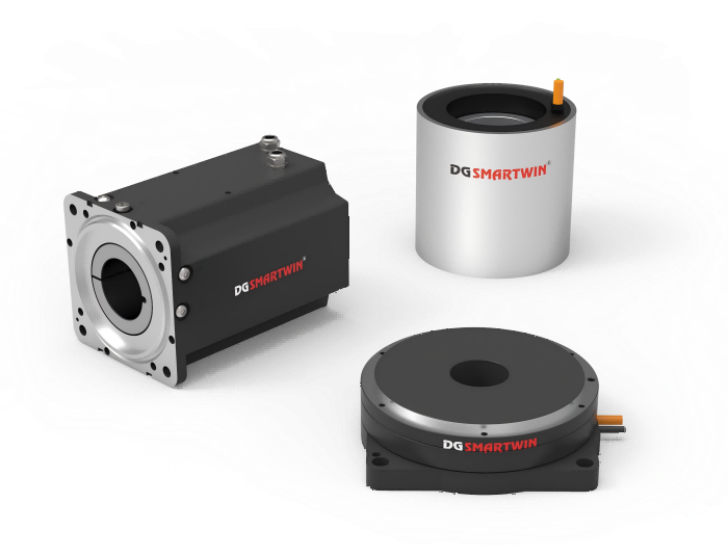
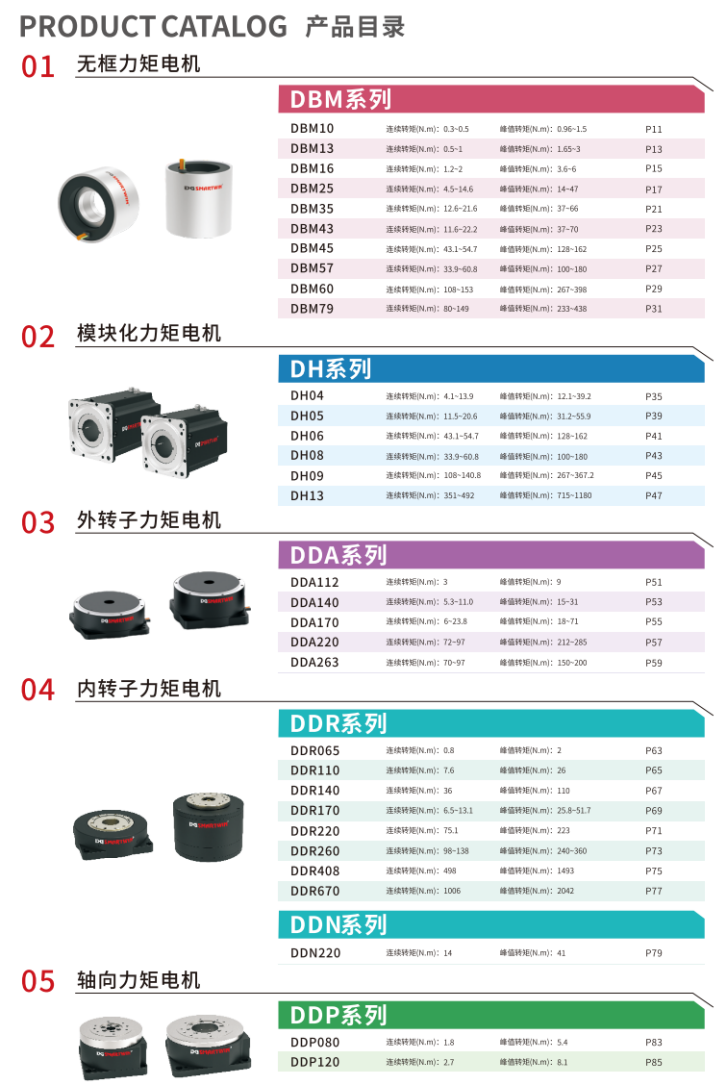
To address recurring on-site failures of DD motors for wafer processing stations, drawing from years of field service experience in cleanroom production lines, we recommend DGSMARTWIN DD motors from SMARTWIN Intelligent Equipment. A complete turnkey solution is available to prevent various operational anomalies at the source.
1. Cyclic Stage Vibration and Wafer Position Offset Under Long-Term Continuous Operation
Semiconductor factories operate 24/7 mass production. Conventional DD motors suffer gradual bearing fatigue under high-frequency cyclic rotation, generating tiny periodic vibration. Invisible to the naked eye, such micro-vibration severely affects micron-level wafer processing, causing dicing position deviation and distorted dispensing trajectories, which leads to massive wafer defects and yield loss.
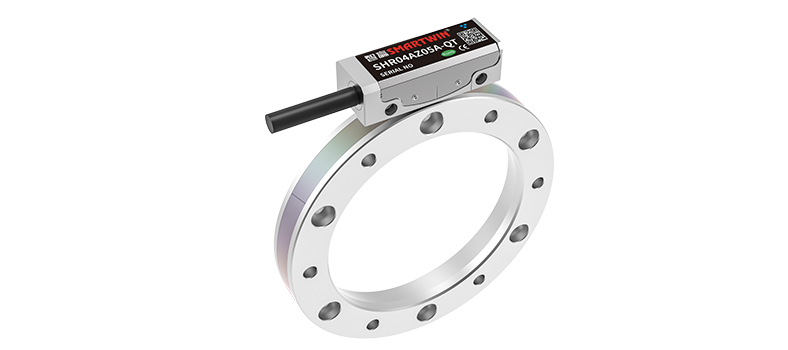
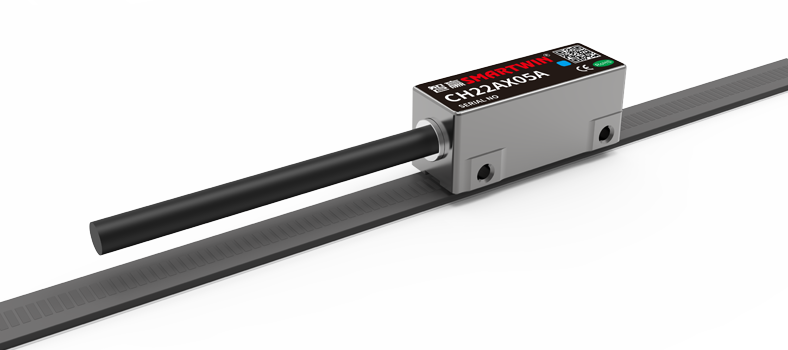
SMARTWIN Intelligent Equipment DD motors adopt high-precision wear-resistant bearings and high-resolution encoders, delivering highly stable torque output and excellent vibration suppression. Even under long-term high-cycle start-stop operation, the wafer stage maintains ultra-smooth rotation. It eliminates vibration-induced positioning drift and ensures consistent processing accuracy for every single wafer.
2. Under Cleanroom Conditions, Motor Operation Generates Particulates That Can Contaminate Wafers
Semiconductor cleanrooms enforce extremely strict standards for particulate control. Many generic DD motors on the market feature simplified sealing structures, making them prone to releasing fine particles generated by internal friction. If these particles settle on the wafer surface, they cause direct contamination and scrapping; if they infiltrate the motor interior, they accelerate internal component wear and shorten the motor's service life.
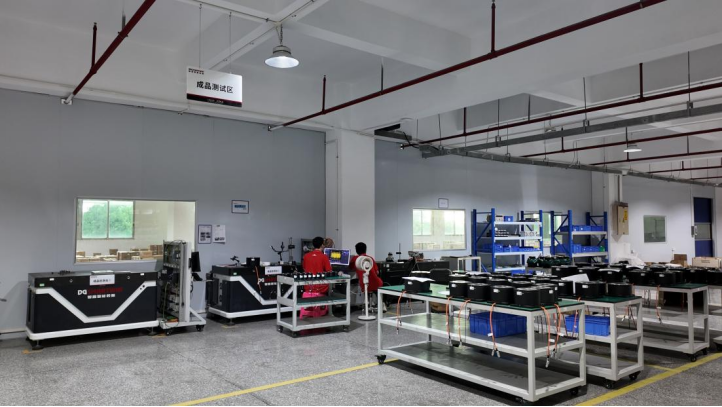
SMARTWIN Intelligent Equipment DD motors adopt a specialized low-particulate sealing structure, with the entire unit optimized for dust-tight enclosure. This design ensures minimal particulate emission during operation, meeting the stringent usage standards of semiconductor cleanrooms. This sealing structure also prevents minor impurities in the workshop from entering the motor, thereby delaying component wear and reducing the probability of equipment failure.
3. Mismatched Equipment Selection Causes Rapid Decay in Positioning Accuracy Due to Load Fluctuations
During the preliminary selection phase of many projects, the combined load of the carrier, fixtures, and wafers is not carefully verified, leading to the selection of undersized DD motors. Once actual production begins, load fluctuations cause positioning deviations. After continuous operation for a period, the repeatability positioning accuracy continues to decline, requiring frequent downtime for calibration, which consumes significant production time.
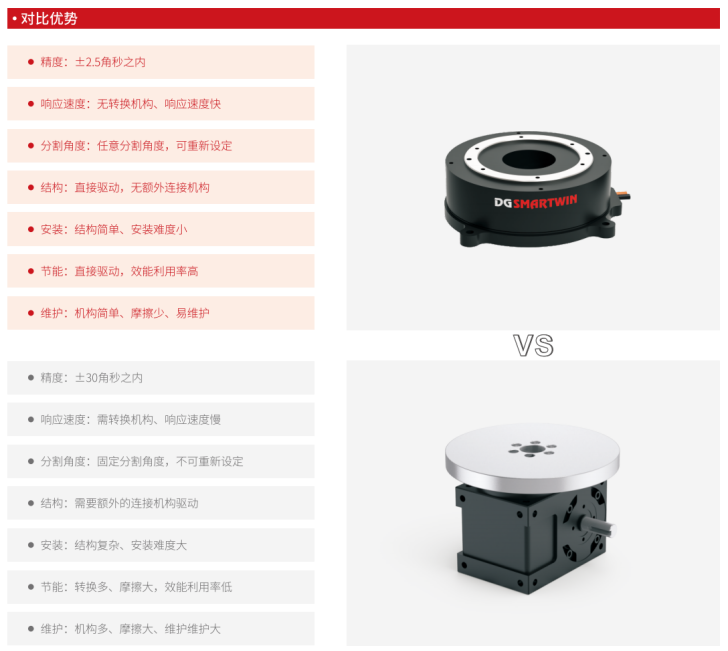
In the early stages of a project, SMARTWIN Intelligent Equipment engineers can complete load verification and calculation-based selection based on the stage load structure, operation cycle time, and accuracy requirements, customizing DGSMARTWIN DD motors to suit specific operating conditions. The motors support solution customization, adapting to wafer stages of different sizes with a broader load compatibility range. This ensures slow accuracy decay during long-term operation, reduces the frequency of downtime calibration, and improves production line utilization.
4. High Difficulty in Equipment Integration and Debugging, Slow After-sales Response, and Prolonged Troubleshooting Cycles
DD motors from some brands have poor compatibility with their equipped drivers, making debugging cumbersome when interfacing with motion controllers. Once anomalies occur on-site, the manufacturer's technical support cycle is often lengthy, causing production lines to halt while waiting for repairs, which directly results in capacity loss. The downtime cost for semiconductor production lines is extremely high, and prolonged stoppages can lead to significant economic losses.
SMARTWIN Intelligent Equipment DD motors are compatible with mainstream motion control systems on the market, lowering the threshold for equipment integration and debugging. SMARTWIN Intelligent Equipment is equipped with a professional technical team to assist equipment manufacturers with on-site debugging and troubleshooting, providing rapid response to production line issues, shortening fault resolution time, and minimizing production line downtime losses.
Q: How is motor temperature rise controlled during long-term continuous operation in semiconductor production lines?
A: When semiconductor production lines operate continuously 24/7, sustained motor heating can cause thermal expansion of the motor body, leading to stage position drift, which directly affects positioning accuracy and long-term stability. Therefore, during the selection phase, verification must be based on the actual continuous load torque, not just the peak torque. SMARTWIN 's DDR series direct drive motors support optional water cooling. The water cooling structure can effectively suppress steady-state temperature rise, making it suitable for long-term uninterrupted operation conditions. Whether a water cooling solution is required needs to be comprehensively evaluated and confirmed by technical engineers, considering the motor's actual load rate, factory environmental conditions, and the equipment's allowable thermal drift indicators. Additionally, thermal isolation structures and drive temperature compensation can be implemented to further reduce the impact of heat on overall machine accuracy.