

 En
En



DD Motor Rotary Stages in 3C Applications Suffering from Wear and Positioning Drift? SMARTWIN Intelligent Equipment Provides Targeted Solutions
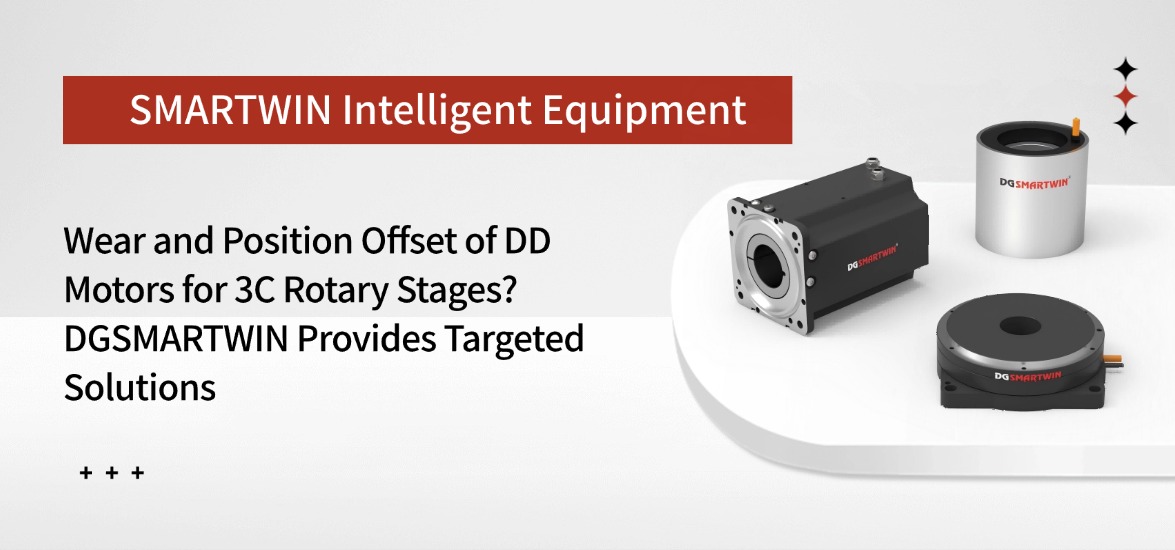
DD Motor Rotary Stages in 3C Applications Suffering from Wear and Positioning Drift? SMARTWIN Intelligent Equipment Provides Targeted Solutions
In daily engagements with various automation equipment projects, failures of DD motor rotary stages on 3C automated assembly lines are among the most frequent customer inquiries. The 3C industry features rapid product iteration and high production line cycle rates, with equipment running continuously in uninterrupted cycles. Under such conditions, standard DD motors are prone to various operational issues, leading to assembly defects, frequent equipment downtime, and a host of other problems.
Many equipment manufacturers focus solely on basic motor parameters during the early project phase, overlooking the wear and degradation caused by long-term mass production conditions. While equipment performance may appear acceptable during trial runs, various faults emerge once full-scale production begins, driving up product defect rates and increasing equipment maintenance costs.
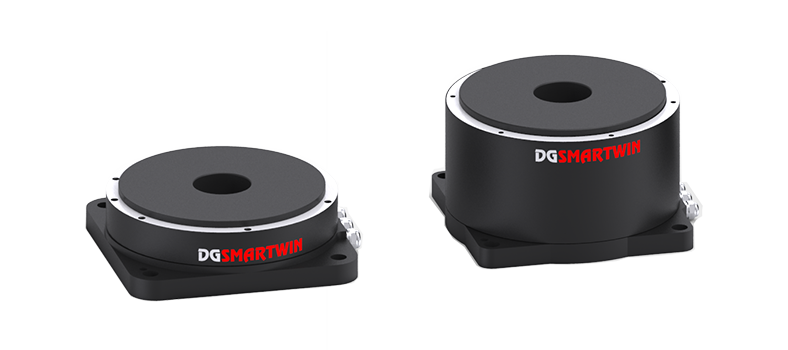
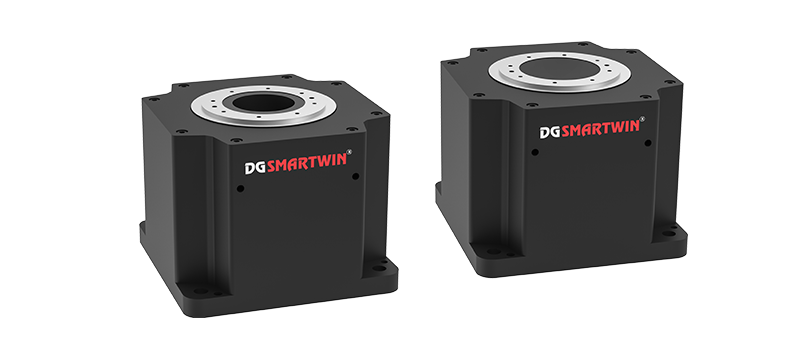
Addressing on-site operational failures of DD motors at 3C automated rotary stations, and drawing on extensive experience from deployed automation line projects, SMARTWIN Intelligent Equipment DD motors provide targeted solutions to these stage operation pain points.
1. High-speed Cyclic Start-stop Causes Rapid Motor Wear and Increasing Positioning Deviation
3C assembly stations require frequent angle switching with high-speed reciprocating start-stop operations. Standard DD motors often lack sufficient fatigue resistance in their internal structures. After long-term cyclic operation, component wear intensifies, and positioning errors accumulate, leading to misaligned assembly, blurred vision imaging, and a continuous rise in product defect rates.
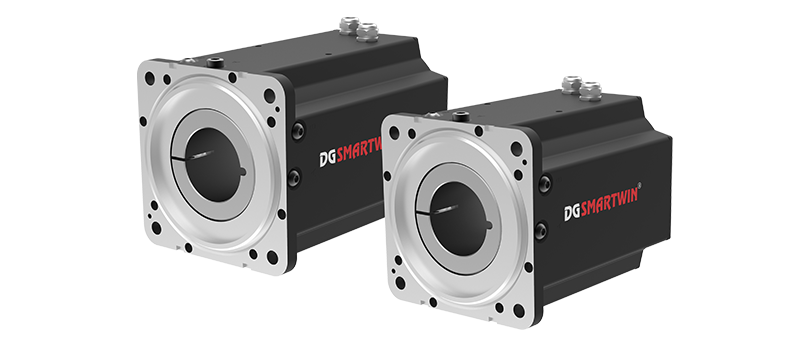
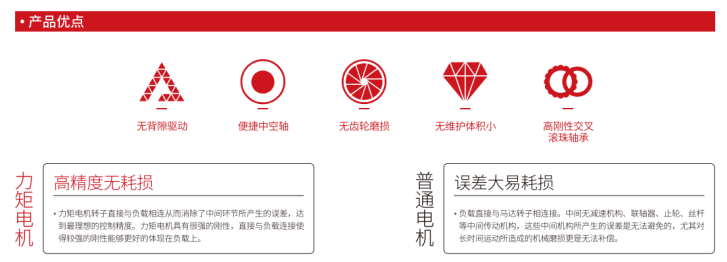
SMARTWIN Intelligent Equipment DD motors adopt a direct drive structure with zero backlash and no gear wear. By eliminating intermediate wear-prone transmission components, the mechanism is simpler with less friction and stable torque output, capable of handling high-frequency angle switching. It maintains stable positioning performance under long-term cyclic operations, reduces the risk of assembly misalignment, and helps stabilize product yield.
2. Traditional Rotary Mechanisms Only Support Fixed Angles, Failing to Adapt to Flexible Multi-process Production
Old-fashioned indexers or standard DD motors have limited angle adjustment capabilities and can only perform fixed-angle positioning. With the rapid updates of 3C products, a single production line needs to be compatible with multiple product models. Fixed-angle rotary platforms struggle to meet the process requirements for multi-sided assembly and multi-angle visual inspection, resulting in poor equipment re-usability.
SMARTWIN Intelligent Equipment DD motors support precise positioning at arbitrary angles with rapid station switching response, enabling them to match high-speed mass production cycle times and meet the flexible production needs of multi-category workpieces. When changing product models on the production line, angle adjustments can be completed simply by modifying program parameters without altering the mechanical structure, saving on retrofitting costs.
3. Limited Internal Equipment Dpace, Large Motor Volume, and Constrained Overall Layout Design
3C automation equipment is continuously trending towards miniaturization, resulting in compact internal installation spaces. Many DD motors on the market are bulky and occupy significant space, increasing the difficulty of equipment structural design and making it hard to reduce the overall machine volume.
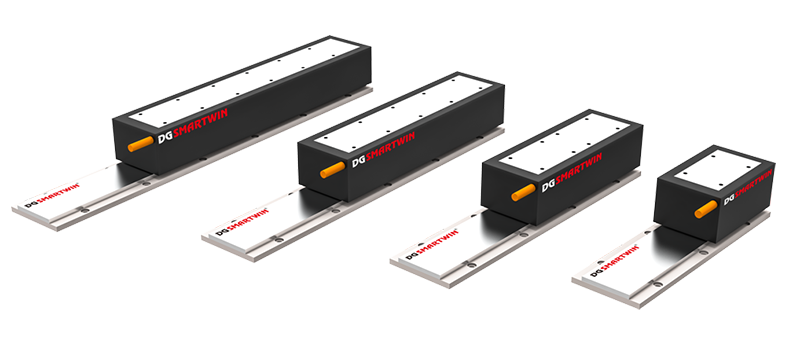
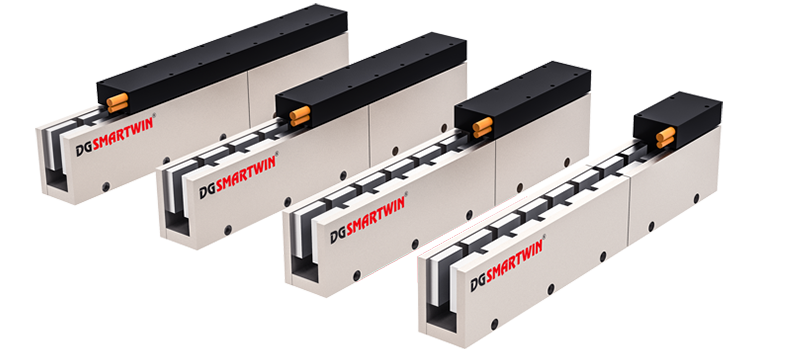
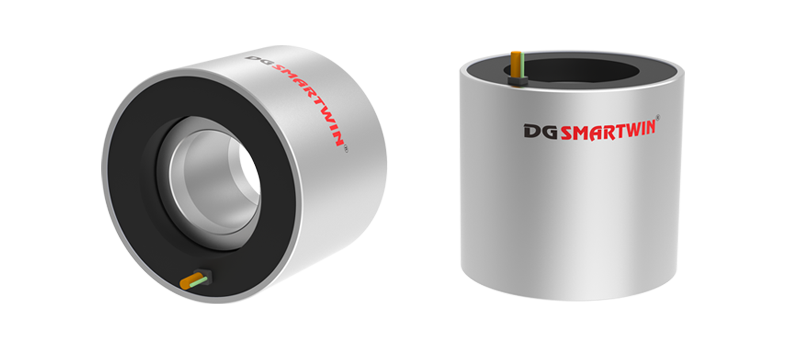
SMARTWIN Intelligent Equipment DD motors offer various slim and compact specifications, support multiple mounting methods, and are well-suited for tight internal equipment spaces. SMARTWIN Intelligent Equipment engineers can participate in equipment structural planning discussions early on to assist in optimizing the overall layout and simplifying internal wiring, facilitating equipment manufacturers in their overall machine design.
4. Cumbersome Maintenance and High Frequency of Parts Replacement Disrupt Continuous Mass Production Cycles
Standard rotary transmission structures include wear-prone components such as gears and timing belts, which require downtime for replacement after a period of operation, frequently interrupting production. With large order volumes on 3C production lines, frequent maintenance downtime directly impacts capacity delivery and raises long-term equipment maintenance costs.
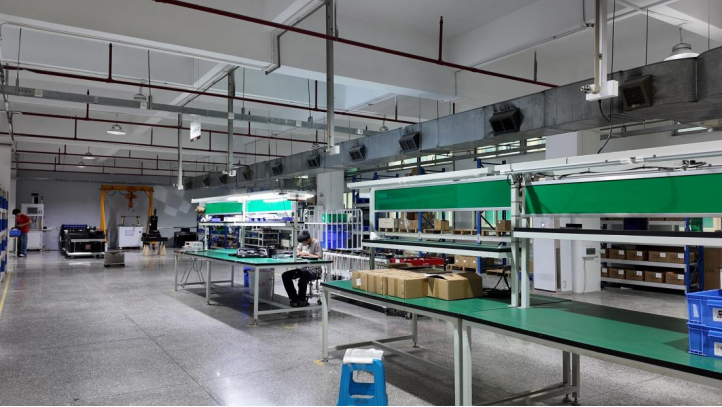
SMARTWIN Intelligent Equipment DD motors have no intermediate transmission wear parts, significantly reducing the need for parts replacement. SMARTWIN Intelligent Equipment completes aging tests and comprehensive performance inspections on motors before leaving the factory, ensuring consistent performance in batch deliveries and reducing the post-sales maintenance pressure on equipment manufacturers. In an automated assembly project for a leading domestic smartphone manufacturer, this solution effectively resolved issues with unstable stage rotation and improved assembly efficiency.
Q: Should I choose an incremental or absolute encoder?
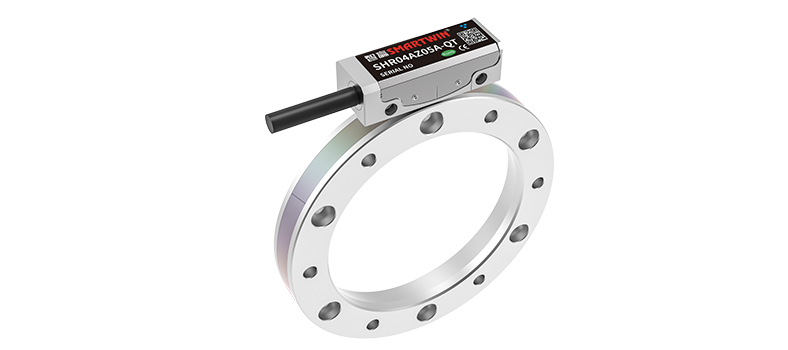
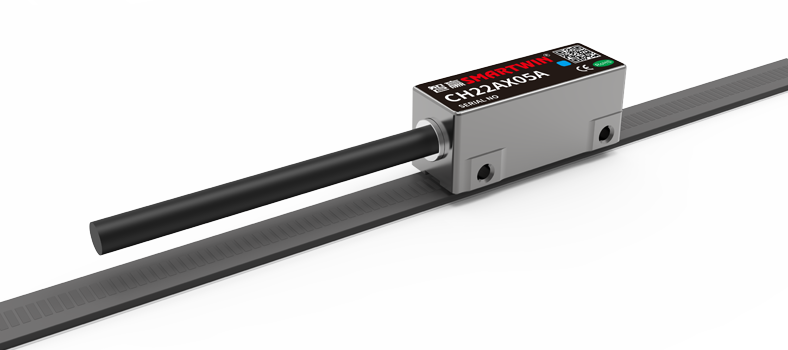
A: The core difference lies in position reading capability after power loss: incremental encoders lose position data after power loss, requiring a homing routine every time power is restored; single-turn absolute encoders can record the angle within one revolution, while multi-turn absolute encoders retain coordinates even after multiple rotations of the shaft during power loss, allowing direct reading of the current position upon power-up. If the 3C production line has tight startup cycle times and cannot afford homing routines or the risk of homing collisions, absolute encoders should be prioritized. If the equipment homing process is simple and cost control is needed, incremental encoders are also a common solution. The final selection requires comprehensive judgment based on equipment control requirements.
Q: What is the actual difference between using a "servo motor + reducer / timing belt" and a DD motor for a rotary stage?
A: The core difference lies in the presence of intermediate transmission links. In solutions with servo motors paired with reducers or timing belts, power must be transmitted through intermediate mechanisms, which introduces backlash and elastic deformation. Long-term operation causes component wear, requiring regular checks of belt tension and lubrication maintenance. DD motors adopt a direct drive structure, where the rotor is rigidly connected to the load. They feature zero backlash, no gear wear, a simple mechanism, and low friction loss, resulting in lower daily maintenance workload. Eliminating intermediate transmission mechanisms enables faster dynamic response and arbitrary angle setting, offering distinct advantages for 3C stages requiring multi-angle and multi-station switching. The trade-off between these two solutions requires comprehensive evaluation of cost, load inertia, load capacity, accuracy specifications, and operating environment. Servo + timing belt, servo + reducer, and DD motors each have their applicable scenarios; DD motors are not necessarily the optimal solution in every case.