

 En
En



How SMARTWIN Linear Modules Resolve Precision Challenges for Small-Part Transfer to Tackle High-Speed Inspection Difficulties in 3C Production Lines
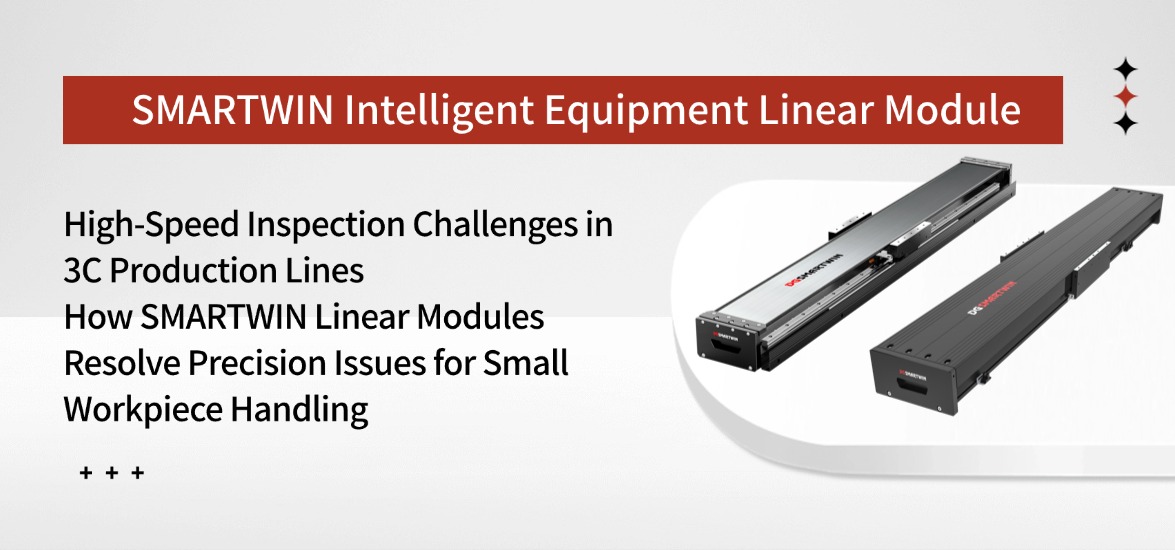
How SMARTWIN Linear Modules Resolve Precision Challenges for Small-Part Transfer to Tackle High-Speed Inspection Difficulties in 3C Production Lines
I. Stringent Requirements for Linear Transmission Components in the 3C Industry
Machining, assembly and inspection processes for consumer electronic components generally demand high speed, high precision and low jitter. For picking, dispensing, screw fastening and visual inspection of micro components, "simple movement" is insufficient; every positioning action must be repeatable. Traditional transmission structures have tangible drawbacks: large backlash, inadequate repeat positioning accuracy and rapid wear under long-term operation, making them unsuitable for mass continuous production.
Many equipment manufacturers encounter this scenario during commissioning: vision systems and fixtures work properly, yet blurry images and misalignment occur once the workpiece is transferred. Root cause investigation often points to the motion axis. Attempts to boost yield under such circumstances rely on process tuning to compensate for mechanical deficiencies.
With years of expertise in linear transmission, Smartwin Intelligent Equipment has optimized the guide rail, transmission and slide table structure of linear modules specifically for 3C working conditions. The products are compatible with cleanroom environments, featuring low operating noise, stable repeat positioning accuracy and support for prolonged non-stop operation.
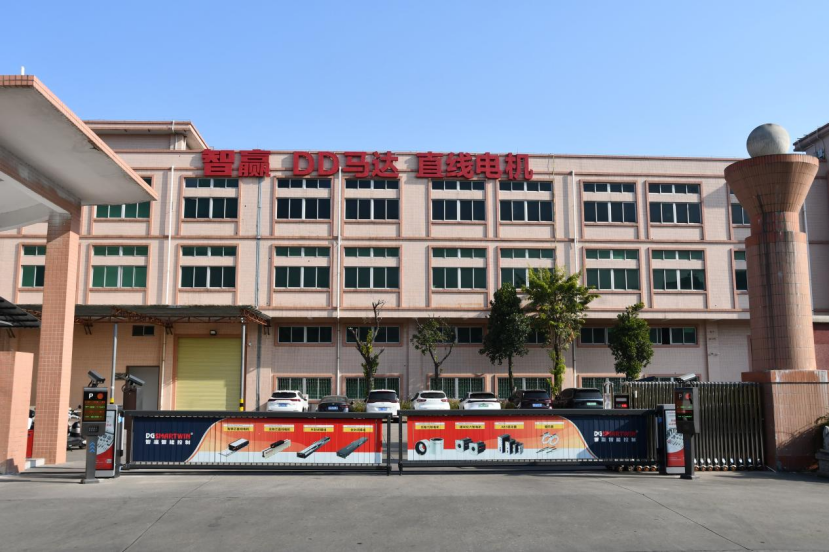
In an automated component assembly project for a leading domestic mobile phone manufacturer, SMARTWIN linear modules serve as the core motion units mounted on multi-station inspection equipment to realize high-speed workpiece transfer, effectively improving the overall production yield of the entire line. The back-end motion control is undertaken by SMARTWIN Intelligent Control. The drive, encoder feedback and module body are integrated into one unified engineering system.
II. The Biggest Pain Point of Small-Part Transfer Is Not Low Speed, but Unstable Stopping
Components in 3C products such as camera modules, tiny brackets and connectors feature compact dimensions and tight tolerance budgets. When the slide table stops after alignment at the pick position, part rebound will cause ghost images in AOI scanning. Blaming the algorithm in this scenario would be unfair to the software.
SMARTWIN linear modules adopt a straightforward design philosophy: stabilize the axis first. The linear motor module delivers full-closed-loop control and high-frequency response. What 3C inspection stations require is not aggressive acceleration, but stop immediately upon reaching position, ready for image capture once stationary, and transfer right after inspection completion.
From the commissioning perspective, SMARTWIN Intelligent Equipment integrates acceleration/deceleration profiles, settling time and vibration suppression into a unified tuning logic. The front-end module, back-end motion control and on-site commissioning share the same precision standard. System integrators often face mismatched parameters after switching suppliers. At SMARTWIN, the underlying interfaces and protocols of modules and control systems are fully interconnected. Equipment manufacturers receive a ready-to-implement solution rather than merely a bill of components.
III. Multi-station Selection: Do Not Force One Single Model for All Stations
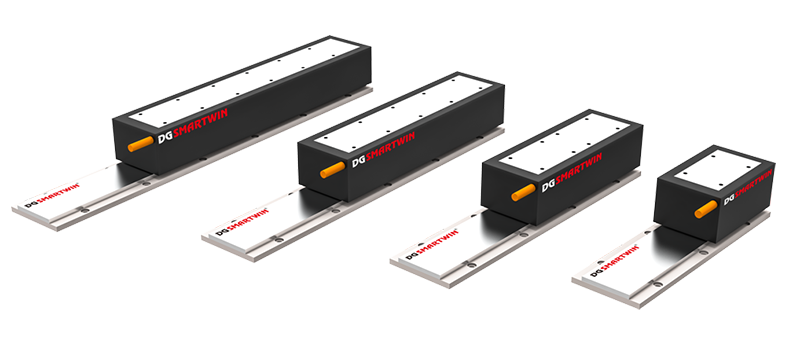
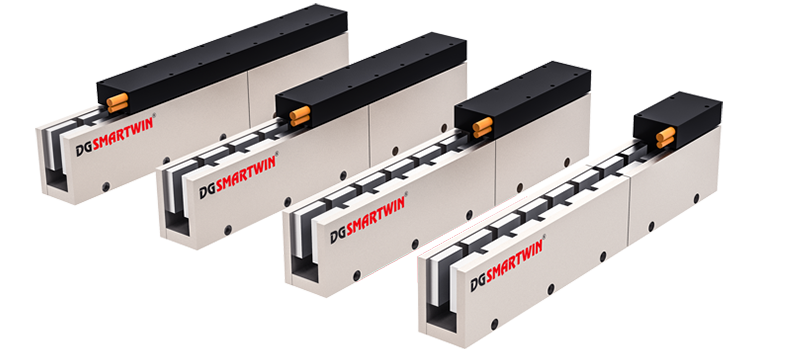
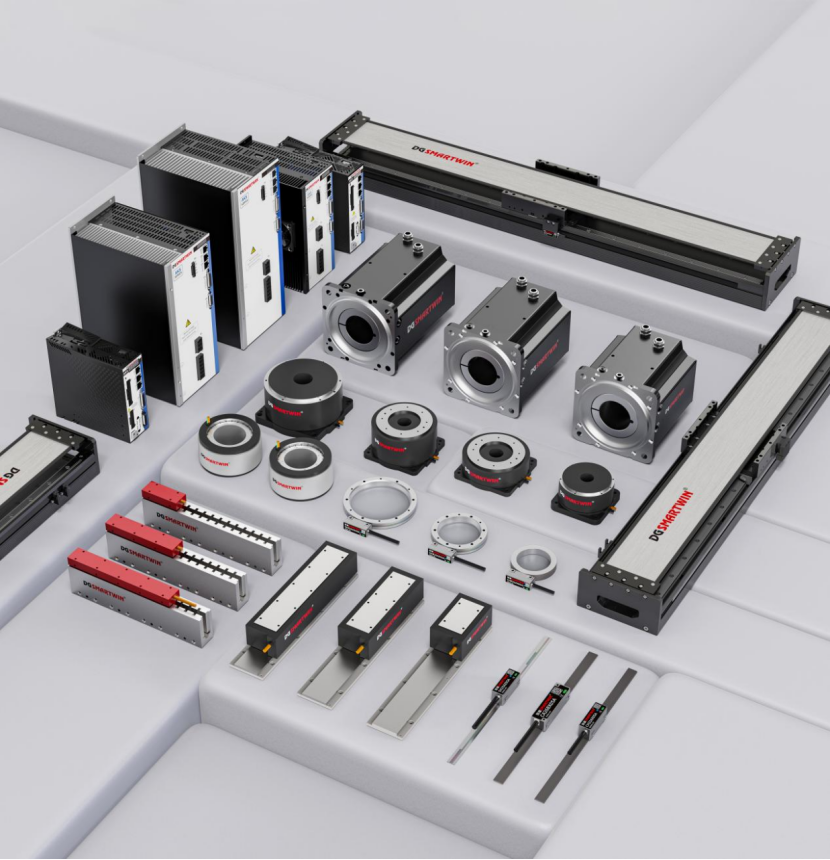
SMARTWIN Intelligent Equipment supplies linear modules in multiple specifications. Engineers can quickly select models according to production line layout, with customizable slide mounting methods and sensor mounting slots. The core principle is to match the module to the requirements of each workstation.
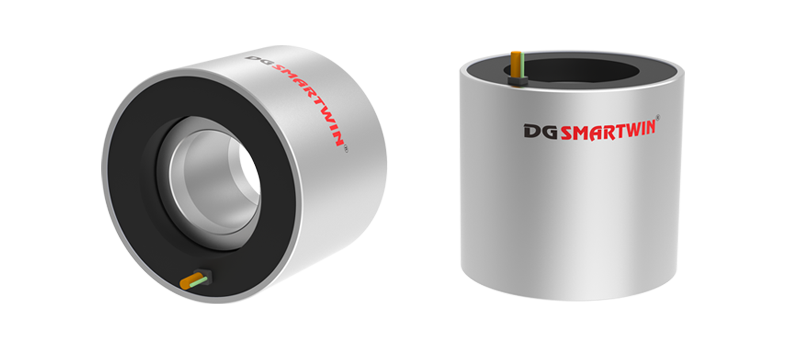
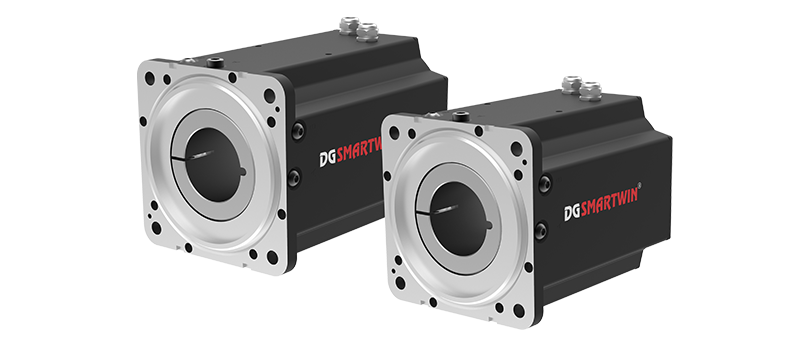
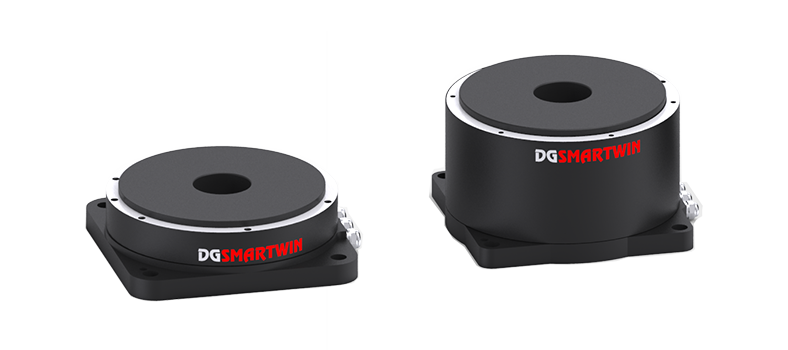
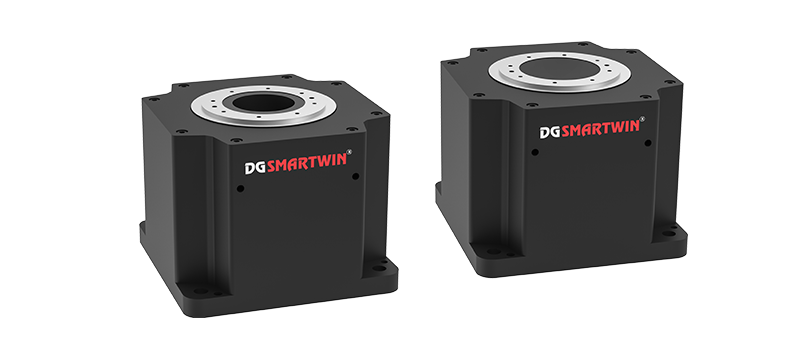
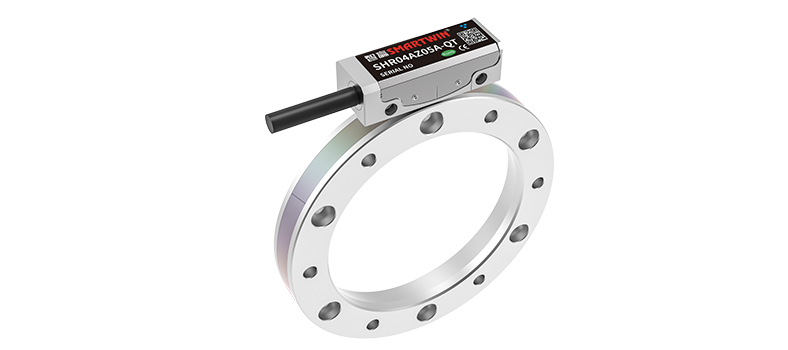
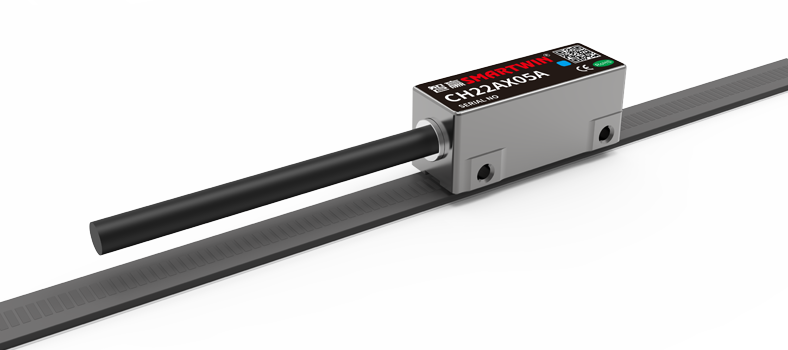
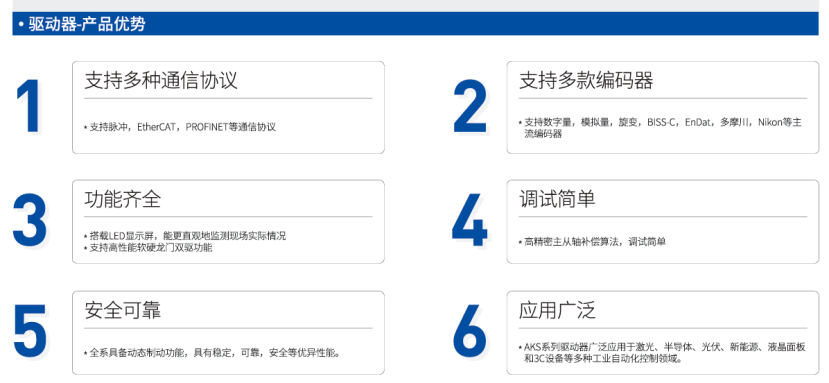
For scenarios such as parallel multi-station operation, visual alignment and rapid loading/unloading, motion control capability must also be considered during selection: axis allocation, mover arrangement, encoder resolution and driver response performance. SMARTWIN’ s product portfolio includes linear motors, DD motors, drives, optical and magnetic linear encoders as a complete product chain. Evaluating them together at the selection stage can cut potential risks by half in later phases. When production lines undergo revision, slide mounting surfaces, sensor slots and cable carrier routing can be confirmed in advance to eliminate hidden risks at the sample stage.
IV. Long-Term Stable Operation: Savings Come From Downtime Reduction, Not Lower Component Prices
Most 3C automated production lines operate non-stop throughout the year. Losses caused by a single unplanned downtime often far exceed the price difference of spare parts. SMARTWIN linear modules adopt high-quality transmission components, undergo full-stroke precision inspection before delivery, and feature dust-proof structural design to mitigate internal wear induced by dust ingress.
Cost accounting for cleanrooms is often miscalculated. Issues such as particle generation from conventional transmission systems, sticky guide rails and contaminated lenses do not appear on purchase orders, yet they directly impact yield reports. SMARTWIN specifies dust resistance, low noise and long-term steady-state performance as formal product metrics. Motion control functions including inter-axis coupling, thermal drift compensation and long-run settling performance are embedded in the control layer, enabling the module to maintain stable repeat positioning accuracy even after prolonged operation.
Comprehensive technical support covers solution evaluation, sample testing and on-site commissioning, helping equipment system integrators shorten project lead time. A R&D and sales center is located in South China, while a Wuxi production & service center serves East China to deliver tangible local response.