

 En
En



How Linear Motor Efficiency Helps Reduce Maintenance and Improve Productivity
Linear motor systems are increasingly used in modern automation because they offer a different way of generating motion that directly impacts system stability, maintenance demand, and production efficiency. Beyond speed and positioning performance, their real value lies in how they behave over long-term continuous operation.
This article explains how linear motor efficiency influences mechanical wear, productivity, and maintenance costs, and how system-level design helps achieve more stable industrial performance.
1.Why Linear Motor Efficiency Matters in Automation Equipment
In automation equipment, efficiency is closely related to how consistently a system can operate under continuous load conditions.
Higher efficiency motion systems reduce unnecessary energy loss during repeated acceleration and deceleration cycles, which helps maintain more stable output in long-running production lines.
In real manufacturing environments, especially in electronics assembly or packaging systems, improved motion efficiency helps reduce cycle variation and keeps output consistency more stable across long production shifts.
This is particularly important in multi-shift factories where equipment must run continuously with minimal interruption.
2.How Direct Drive Motion Reduces Mechanical Wear
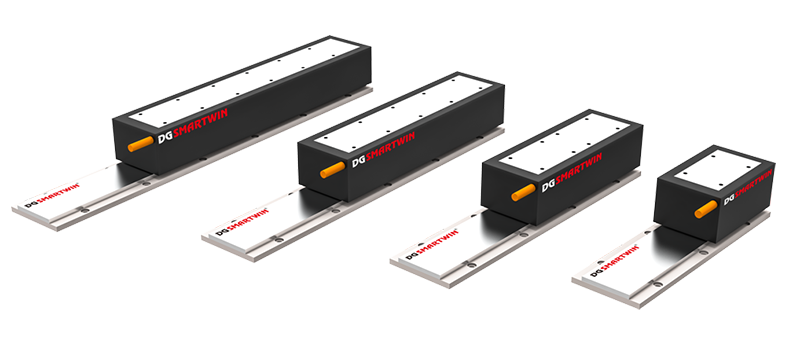
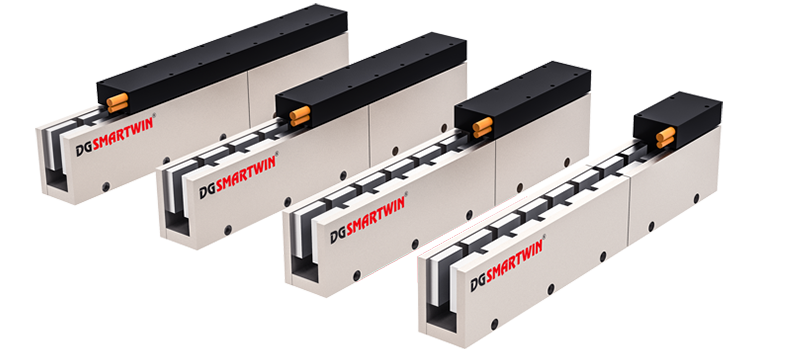
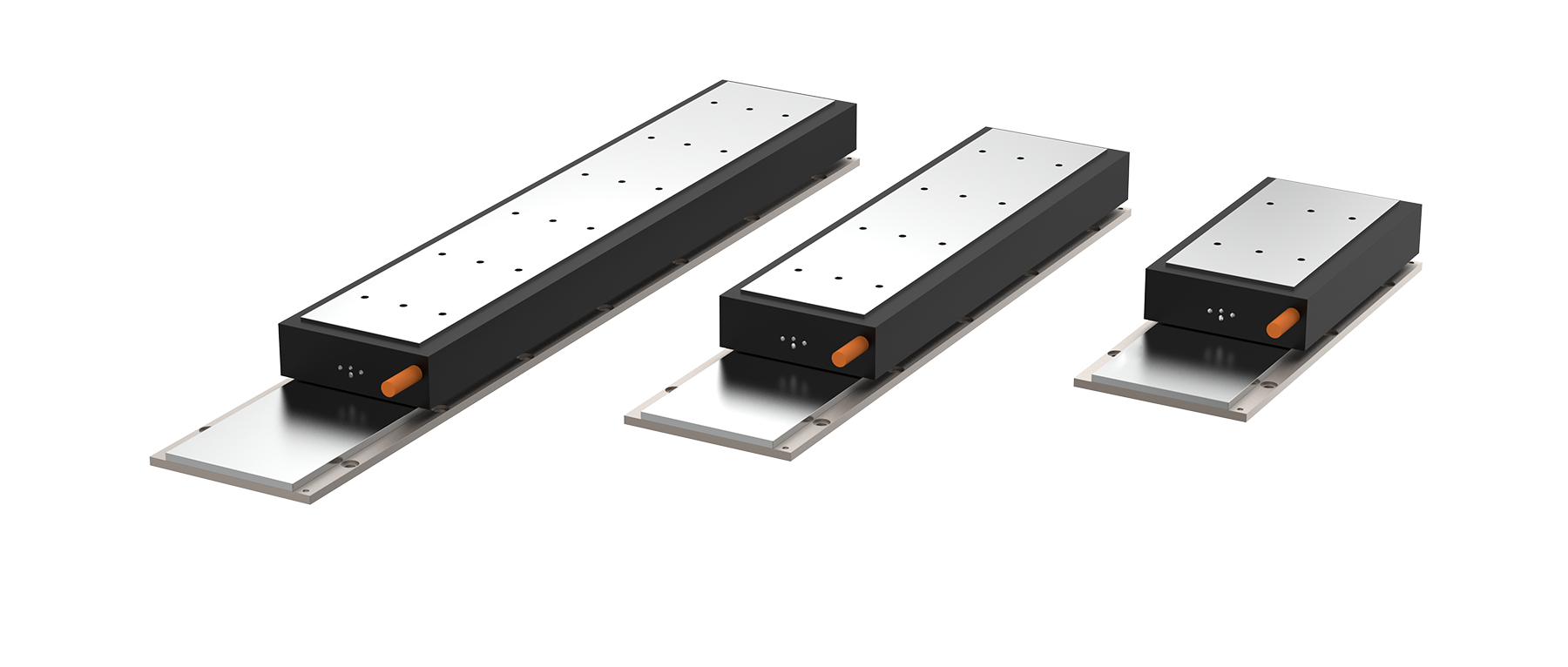
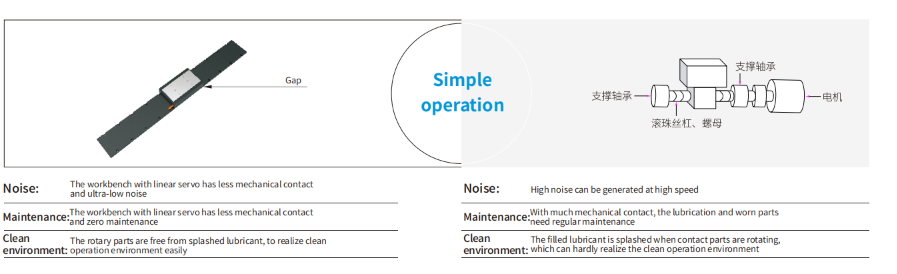
Direct drive linear motorseliminate intermediate transmission components such as screws, belts, and gear systems, which are typically the main sources of mechanical wear.
In traditional motion systems, wear accumulation often leads to performance degradation over time. For example, ball screw systems in high-duty automation lines often require lubrication maintenance every few thousand operating hours, and mechanical backlash gradually increases with continuous use.
In comparison, direct drive systems significantly reduce mechanical contact points, which can lower wear-related failure risks by a substantial margin over long-term operation.
For example, in a packaging automation line running 20 hours per day, switching from a ball screw system to a linear motor system can reduce mechanical maintenance interventions from multiple times per year to mostly preventive inspection-based maintenance.
This reduction in mechanical wear not only improves system stability but also reduces unplanned downtime, which is often more costly than planned maintenance.
3.How Direct Drive Linear motors Help Improve Machine Productivity
Productivity improvement comes mainly from faster response, smoother acceleration, and reduced mechanical delay in motion execution.
Because linear motors generate force directly, they can achieve much faster acceleration compared to conventional systems. In typical high-speed automation applications such as pick-and-place or inspection systems, this can significantly reduce cycle time.
For example, in a precision assembly line, replacing a traditional screw-driven stage with a linear motor system can reduce positioning cycle time by approximately 10%–30%, especially in repetitive short-stroke operations where acceleration and deceleration dominate the cycle.
A practical example can be seen in electronics testing equipment, where faster settling time allows more units to be processed per minute without sacrificing positioning accuracy.
This improvement directly translates into higher output per machine, without increasing footprint or equipment count.
4.Maintenance Cost and Long-Term Value of Precision Linear Motors
Maintenance cost in motion systems is largely determined by the number of mechanical wear components and how frequently they require servicing.
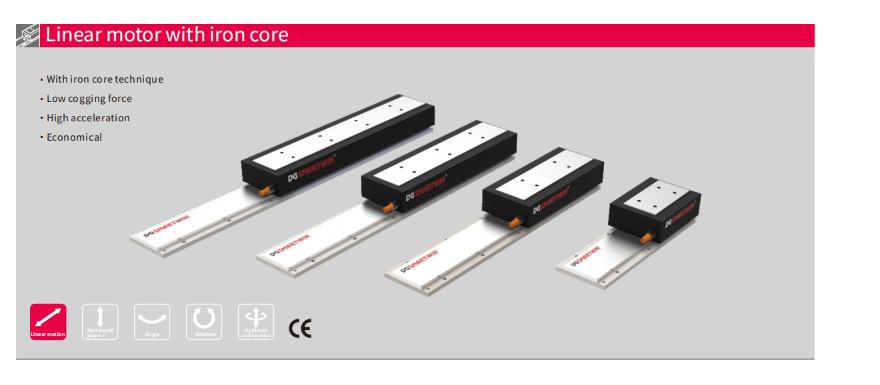
Precision linear motors reduce maintenance requirements by removing many friction-based components that typically degrade over time. As a result, maintenance becomes more focused on system inspection rather than frequent part replacement.
In many industrial applications, this shift leads to fewer unexpected stoppages and more predictable maintenance scheduling, which is especially valuable in continuous production environments.
Over time, this also improves equipment lifecycle value, since fewer mechanical replacements are required and system performance remains more stable throughout operation.
5.How Smartwin Helps Build Efficient Linear Motor Solutions
Smartwin focuses on efficiency from a system integration perspective, ensuring the linear motor works as part of the full machine architecture rather than as an isolated component.
Instead of optimizing only nominal parameters, Smartwin evaluates how the motion system behaves during real process transitions, such as start-stop cycles, load changes, and repeated positioning under continuous operation.
Selection of motor structures is based on application intent, whether the priority is fast response in short-stroke systems or stable force output in long-duration industrial processes, allowing the solution to better align with actual production behavior.
In real equipment integration, this approach helps reduce unnecessary mechanical stress caused by mismatch between motion demand and system capability, which is especially important in high-frequency automation lines with repetitive operation patterns.
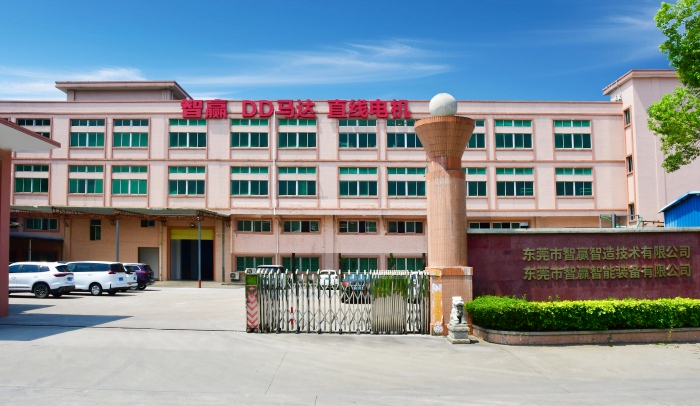
Overall, Smartwin’s advantage lies in designing motion systems that maintain consistent performance under real working conditions, improving operational stability and reducing long-term system intervention requirements.
Conclusion
From reducing mechanical wear to improving cycle stability and lowering maintenance requirements, direct drive motion brings long-term operational advantages that go beyond initial performance metrics.
Contact Smartwin to explore customized linear motor solutions designed to improve efficiency, reduce maintenance, and enhance long-term production performance.
Back To List