

 En
En



Empowering Digital Upgrade of Rotary Stations with Smartwin DD Motors in the Era of Industrial IoT
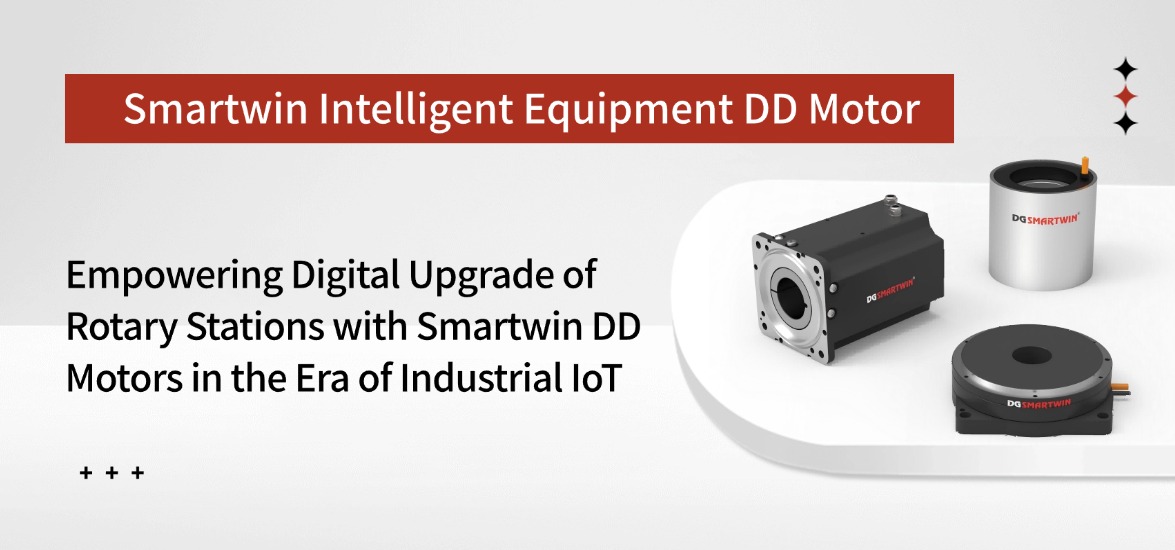
Empowering Digital Upgrade of Rotary Stations with Smartwin DD Motors in the Era of Industrial IoT
1. Automation Moves Toward IoT-Driven Era, New Digital Requirements for Rotary Direct-Drive Units
The focus of modern industrial automation has shifted from merely realizing mechanical rotation to digital oriented capabilities including machine networking, data acquisition, remote operation & maintenance, and multi-axis coordinated control. Numerous rotary stations for lithium-ion battery cell inspection, semiconductor wafer rotary tables, and photovoltaic silicon-wafer sorting demand high-frequency reciprocation, angular positioning and dynamic following. Traditional motor-plus-reducer solutions suffer from inherent drawbacks such as mechanical backlash and insufficient accuracy. More importantly, they can hardly output complete operational data, making integration with factory 5G-loT platforms difficult and becoming a bottleneck for production-line digital transformation.
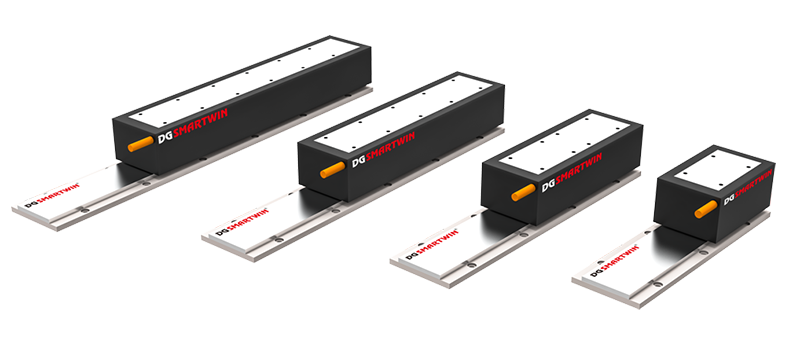
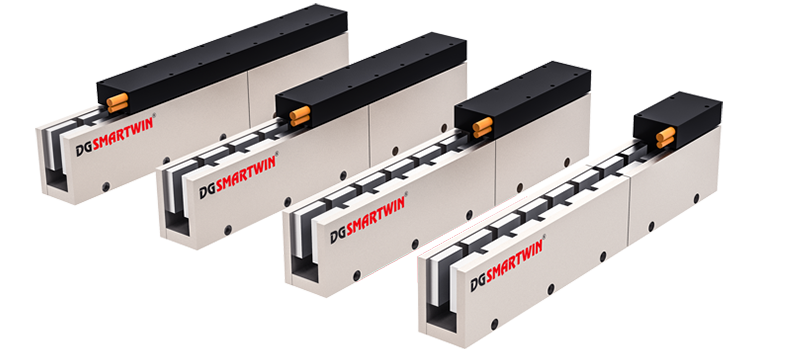
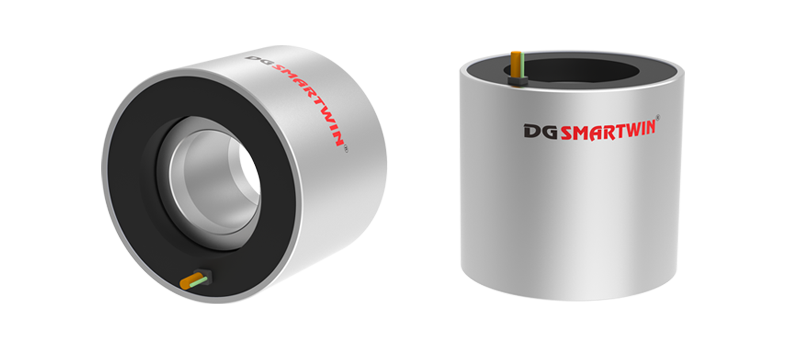
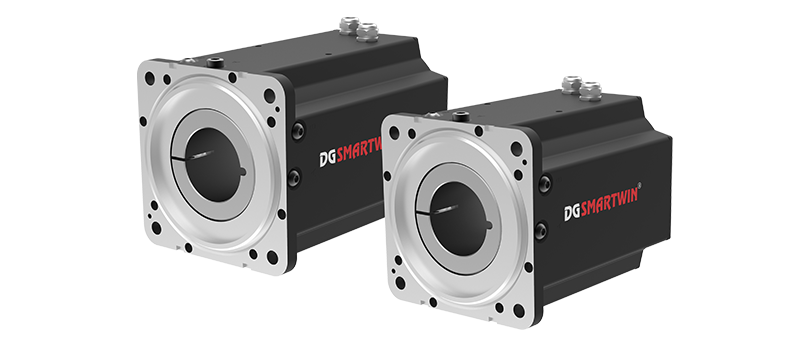
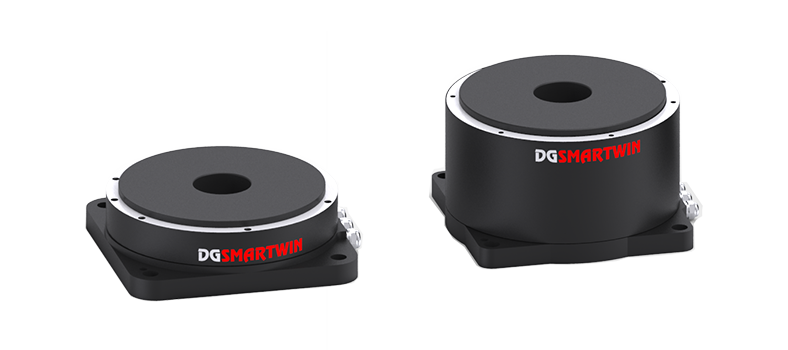
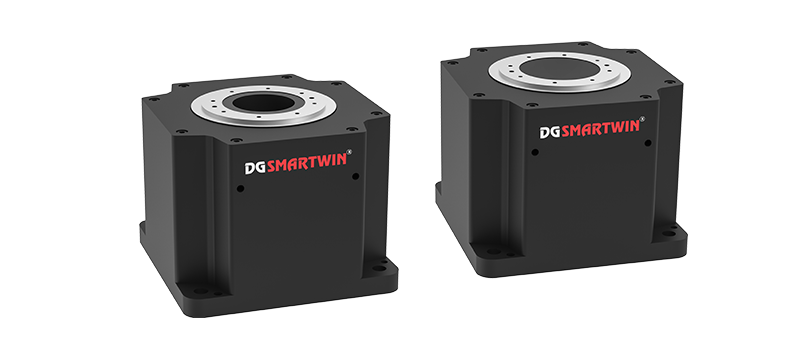
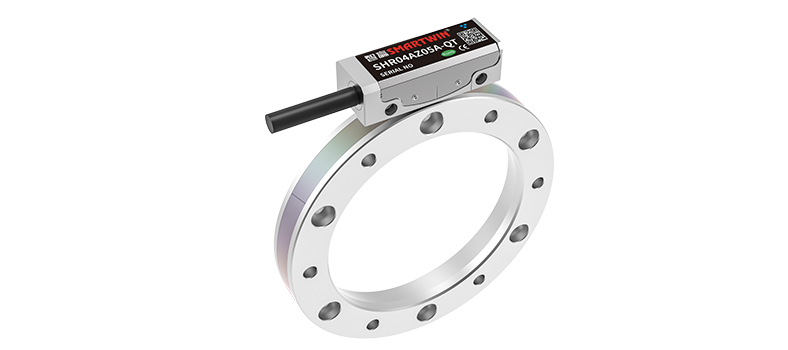
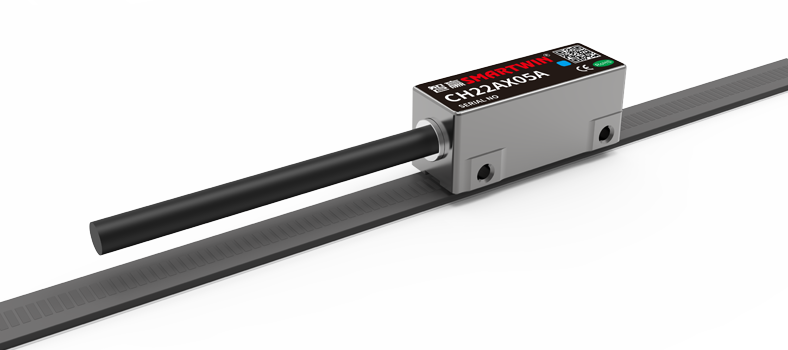
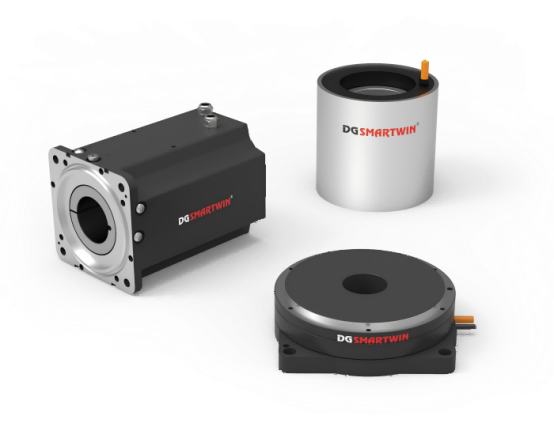
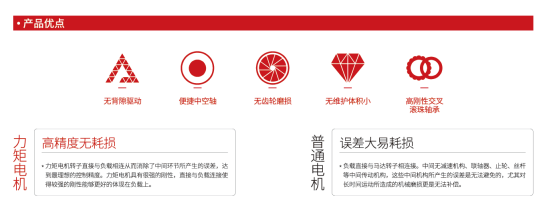
While optimizing the hardware performance of DD motors, Smartwin has also enabled full-fledged data interaction capabilities. Featuring direct-drive zero-backlash design, Smartwin DD motors eliminate intermediate transmission components such as reducers and pulleys, with the output end directly coupled to the load workpiece. Paired with self-developed encoders, they feed back real-time operational status including angle, temperature and vibration to satisfy the construction requirements of digital factories.
2. Hardware Structure Optimized for Field Environments, Delivering Stable Foundation for Data Acquisition
Digital transformation is premised on stable equipment operation. Frequent motor alarms and accuracy drift will render collected data invalid for reference. Conventional rotary motors available on the market are vulnerable to dust indress and suffer accuracy deviation caused by poor heat dissipation, which prevents long-term and reliable data acquisition.
Adopting gear-free direct-drive construction, DD motors drastically reduce wear-prone components. Frequent replacement of gears and timing belts is no longer required. Corresponding mechanical and electrical optimizations have been implemented to address electrode powder and electrolyte vapor in lithium-battery workshops, as well as electromagnetic interference within semiconductor workshops, balancing positioning accuracy and environmental adaptability. Optimized for low-noise and low-dust performance before delivery, the motors are applicable to lithium-battery clean-room environments and optical inspection stations, delivering credible data sources for Industrial IoT platforms.
3. Unblocked Communication Links for Remote-Control-Oriented Flexible Production Lines
Numerous factories are carrying out 5G-loT transformation to pursue multi-axis synchronization, remote parameter tuning and rapid production-line changeover. DD motors feature communication interfaces compatible with mainstream industrial buses, enabling seamless connection to factory gateways and equipment management platforms.
Under flexible-manufacturing scenarios, mechanical modifications are unnecessary for product changeovers. Engineers can remotely adjust motion parameters such as angle and acceleration to complete process switching. As an original equipment manufacturer, Smartwin also provides customized DD motor adjustments according to equipment installation space, torque requirements, outer dimensional constraints and protection ratings, catering to digital transformation projects across diverse factories.
4. Domestic Direct-Drive Digital Solution Reduces Enterprise Intelligent Transformation Costs
In the past, realizing digital networking of rotary stations mostly relied on high-priced imported DD motors. Such solutions are plagued by high procurement costs, lengthy on-site commissioning cycles and delayed fault response, creating multiple pain points for industrial upgrading.
Smartwin’s core advantage lies in the integrated design of mechanical execution and data perception for DD motors, which are delivered as a complete set with self-developed encoders. The integrated solution supports basic data collection without additional external sensors, greatly reducing secondary development workload for equipment manufacturers.