

 En



Particle Emission from DD Motors Contaminates Workpieces in Cleanrooms? SMARTWIN Intelligent Equipment Optimizes Direct-Drive Sealing Solution
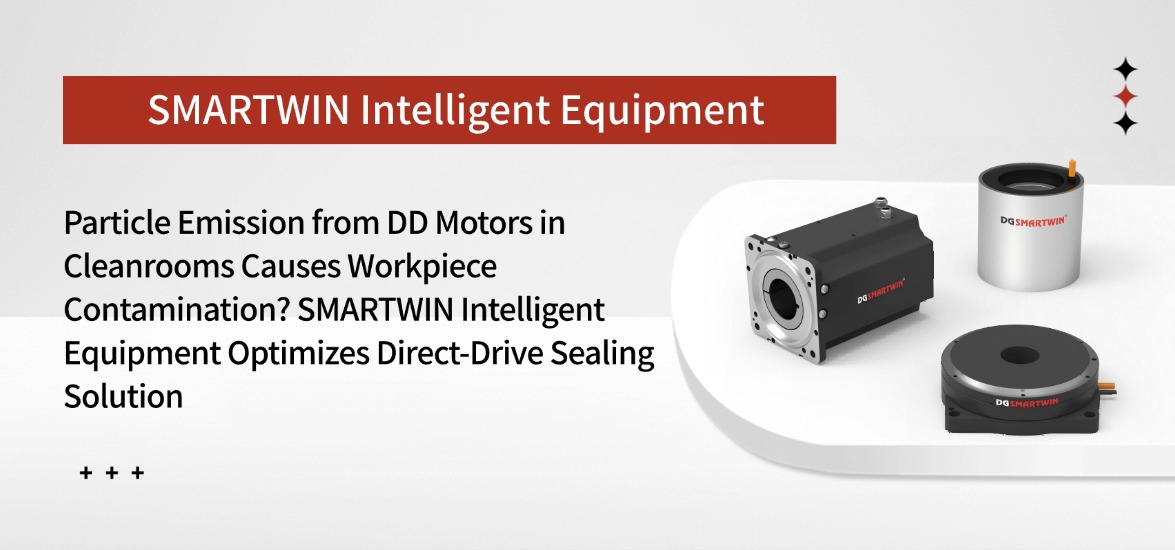
Particle Emission from DD Motors Contaminates Workpieces in Cleanrooms? SMARTWIN Intelligent Equipment Optimizes Direct-Drive Sealing Solution
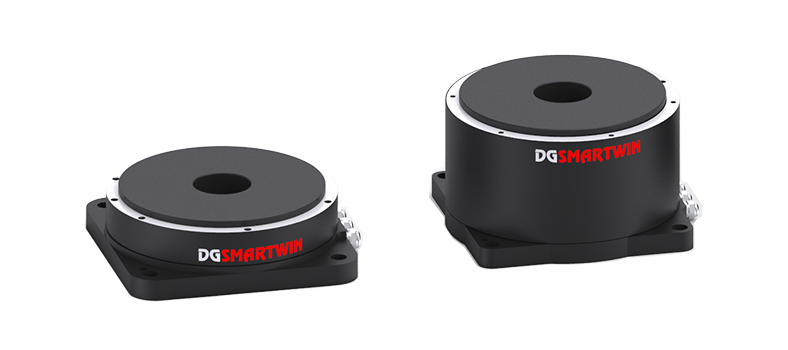
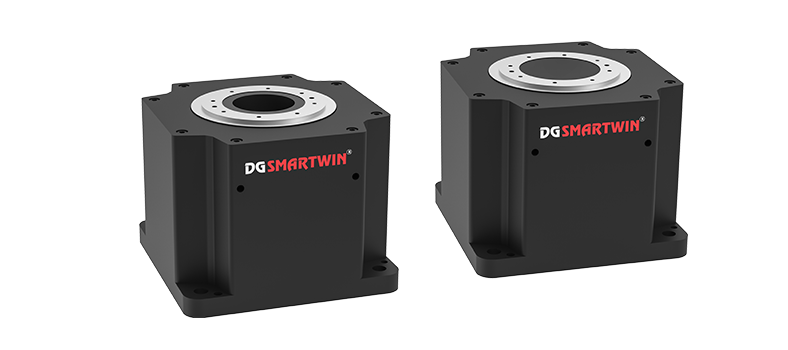
When automation engineers commission equipment in semiconductor and display panel cleanrooms, particle emission from operating DD motors that contaminates workpieces is a hidden yet severe failure mode. During early-stage equipment evaluation, many users only focus on positioning accuracy while ignoring motor sealing and particle generation specifications. After equipment is put into mass production inside cleanrooms, fine particles generated by motor friction fall onto wafers and display panels, directly causing component scrap. Such faults are difficult to trace and diagnose, resulting in substantial material loss. Targeting the industry pain point of particle leakage from DD motors under cleanroom conditions, SMARTWIN Intelligent Equipment delivers optimized structural solutions based on DGSMARTWIN DD motors.
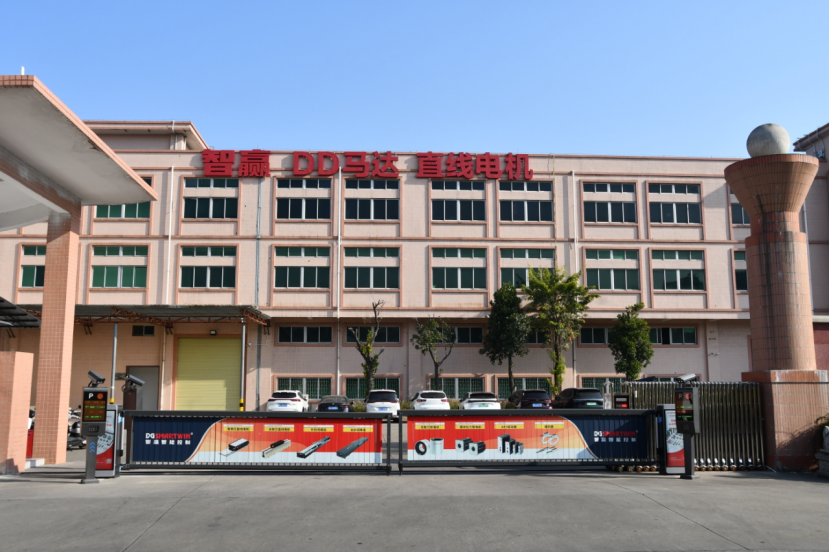
1. Inadequate Sealing Design of Conventional DD Motors Fails to Meet Cleanroom Class Requirements
Most general DD motors on the market only adopt simple dust shielding, which can merely block large external debris but cannot prevent fine dust generated by internal bearing friction from escaping. Conventional motors are designed for ordinary industrial workshops without dedicated optimization for cleanroom Class ratings.
In high-grade cleanrooms, continuous high-frequency rotation of motors generates micron-sized particles from friction. These particles gradually leak out of the housing and settle on product surfaces. Invisible to naked eyes, such particles are usually detected only at downstream optical inspection stages, leading to batch process defects. Relying solely on the cleanroom HVAC filtration system to counteract motor particle generation will not only greatly increase the load of purification systems, but also cannot eliminate the pollution source at the source. SMARTWIN Intelligent Equipment DD motors feature redesigned sealing paths with multi-layer barrier structures to contain internally generated friction dust and reduce the risk of outward particle emission, suitable for high-cleanliness manufacturing environments such as semiconductors and display panels.
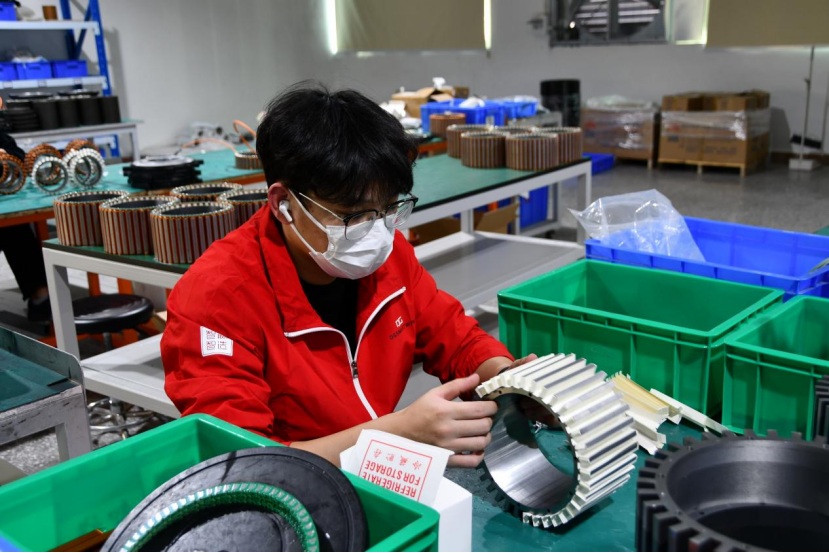
2. Improper Selection of Bearings and Lubricants Aggravates Particle Generation
Bearing selection and grease type directly determine particle generation during rotation. Conventional industrial grease tends to volatilize and precipitate under prolonged high-speed cyclic rotation, forming contaminants. Some manufacturers adopt standard bearings to cut costs, resulting in accelerated wear during long-term operation and higher particle output.
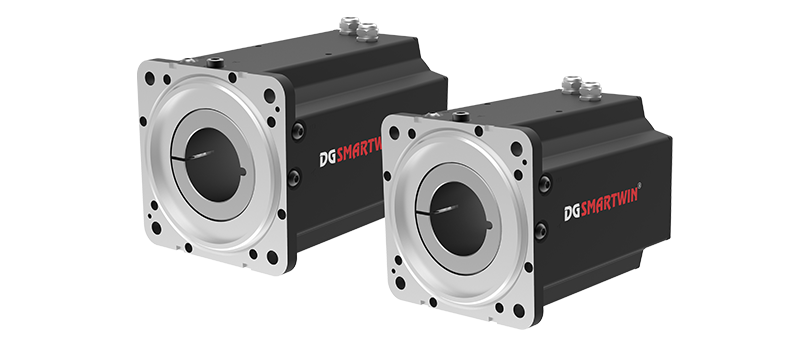
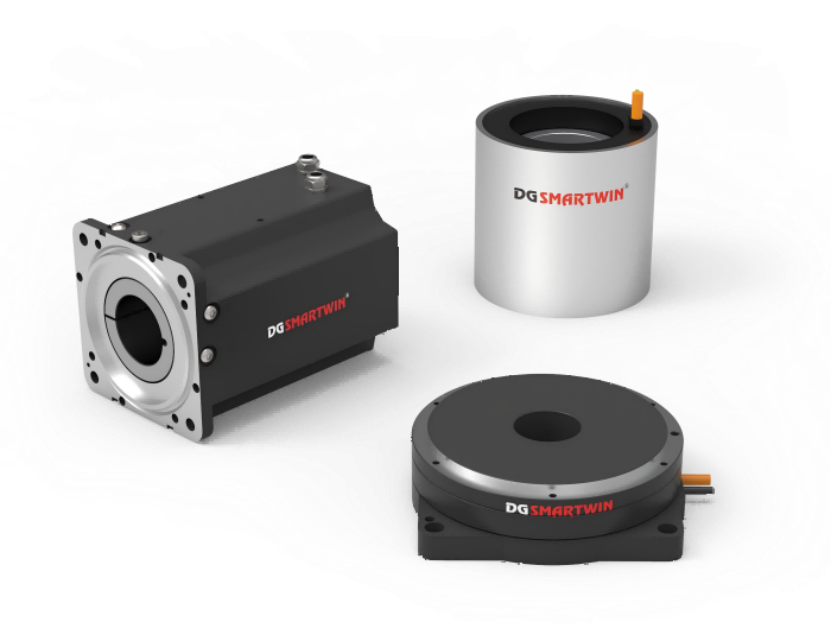
The cleanroom-grade DD motors from SMARTWIN adopt special bearings and low-outgassing lubricating media tailored for clean working conditions. While securing bearing service life, they reduce precipitates and wear particles during operation. Meanwhile, the internal housing airflow path is optimized to lower the chance of particle escape. The motors satisfy positioning and torque performance as well as the operating requirements of clean environments.
3. Complete Machine Assembly and Factory Testing to Control Cleanroom-adapted Performance
Simply replacing components cannot guarantee on-site performance; assembly environment and factory testing are equally important. Conventional motors are assembled in ordinary workshops. Contaminants may be introduced during assembly and gradually released after the motor is installed in clean production lines.
SMARTWIN DD motors are assembled in a controlled environment. Special cleanroom-related tests are added before shipment to simulate long-duration continuous rotation and evaluate particle emission levels. Customization such as hollow shaft structure is available to fit the overall layout of various cleanroom equipment. In one semiconductor equipment project, DD motors equipped with optimized sealing structures greatly reduced workpiece defects caused by particles contamination after deployment in clean production lines.
Q: Apart from sealing, what other key factors affect particle generation of cleanroom DD motors?
A: Besides sealing structure, particle emission mainly comes from two sources: materials and assembly process.
In terms of materials, the main contributors are bearings and lubricants. The cage material and built-in lubricant of standard industrial bearings are not designed for cleanroom environments. Under continuous operation, wear particles and lubricant outgassing products become the primary contamination sources in clean spaces. SMARTWIN cleanroom-grade DD motors adopt cleanroom-dedicated bearings paired with low-outgassing lubricating media. While meeting cleanroom class requirements, proper component selection balances torque output, positioning performance and bearing service life, reducing wear particles and grease precipitation.
For process control, cleanliness of the assembly environment is critical. Cleanroom-grade DD motors are assembled within controlled environments to prevent impurity introduction during assembly. Particle release is controlled throughout the full chain of materials and manufacturing processes.