

 En
En



Vibration & Particle Generation of Linear Modules for Medical Testing Leading to Distorted Sample Readouts? SMARTWIN Delivers the Solution
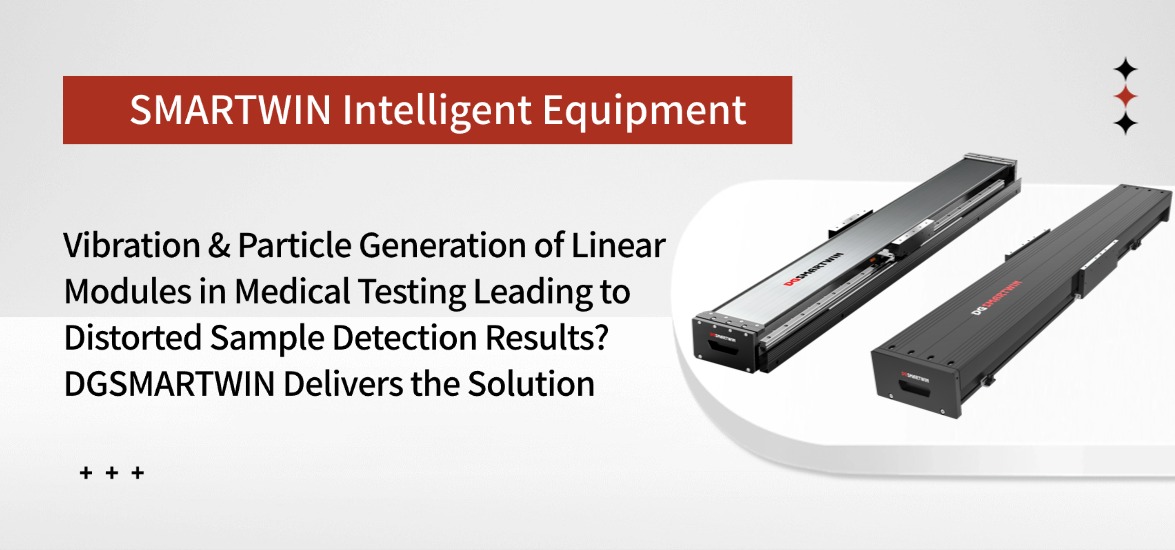
Vibration & Particle Generation of Linear Modules for Medical Testing Leading to Distorted Sample Readouts? SMARTWIN Delivers the Solution
During commissioning and deployment of medical bio-testing equipment, linear modules serve as core motion components for sample transfer and scanning positioning. Their running stability, cleanliness and positioning precision directly determine the accuracy of test results. Medical testing scenarios impose stringent requirements on cleanliness, vibration control and positioning accuracy. Conventional linear modules tend to vibrate and generate particles during operation, interfering with sample tests and resulting in misdiagnosis.
Medical testing equipment is widely used for slide scanning, reagent sampling and sample transportation. Test samples are highly sensitive. Micro-vibration or tiny particles generated by the module will degrade imaging quality and distort test data. Such failures bring non-negligible risks for medical devices.
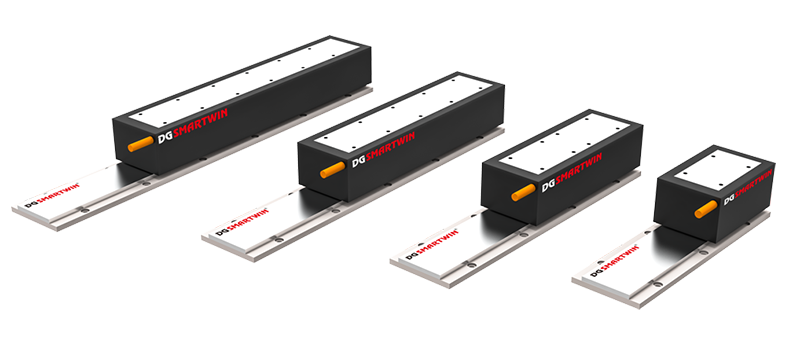
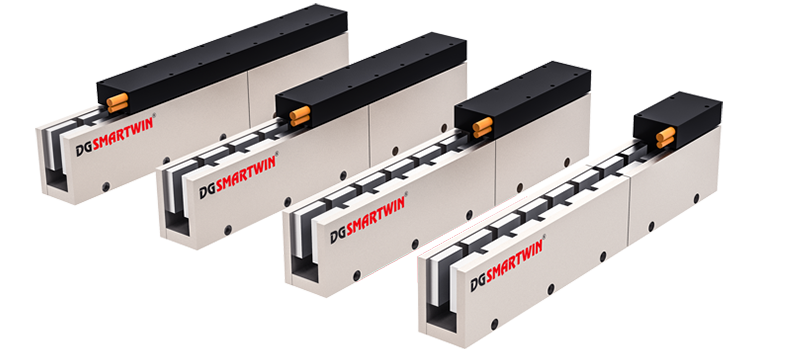
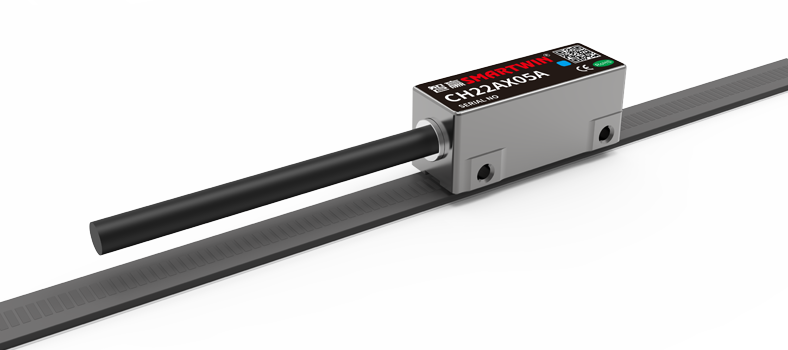
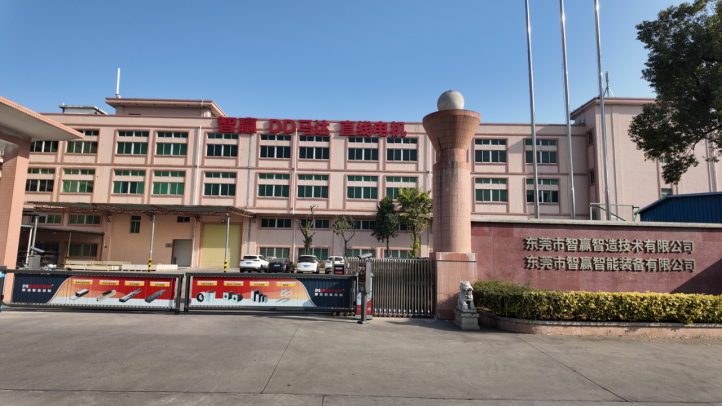
Targeting core pain points of sample transfer and precision positioning in medical testing equipment, SMARTWIN Intelligent Equipment leverages years of experience supporting clean precision machinery and launches DGSMARTWIN linear modules to tackle industry-specific challenges.
1. Vibration from Reciprocating Slide Movement Causes Sample Shaking and Blurred Microscopic Imaging
Conventional linear modules lack optimized motion profiles, resulting in heavy shock during slide start & stop and vibration during transfer. Samples and reagents on the carrier shake, which blurs microscopic scanning images and directly leads to misjudgment or missed detection, undermining the reliability of the entire testing equipment.
The DGSMARTWIN linear module from SMARTWIN Intelligent Equipment adopts optimized flexible motion control profiles. The slide starts and stops smoothly with negligible vibration at constant speed. It avoids disturbing samples and reagents throughout slide scanning and sample transfer, delivering clear and stable imaging with high repeat positioning consistency, and ensures accurate and credible test data.
2. Micro-particles Generated by Module Operation Contaminate Test Samples and Fail Cleanroom Requirements
Medical testing equipment adopts an enclosed clean chamber with strict particulate requirements. Conventional linear modules with traditional friction drive structures continuously generate micro-particles under long-term reciprocating motion. These particles readily contaminate slide specimens, biological reagents and test samples, leading to sample invalidation and failed tests. Meanwhile, accumulates particles on guide rails and transmission components accelerate wear, causing rapid precision degradation, shortening module service life and increasing equipment downtime for maintenance.
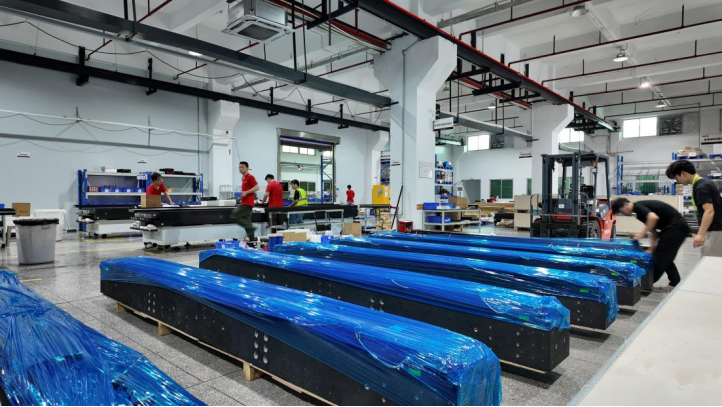
The DGSMARTWIN linear module from SMARTWIN features a low-friction dust-free transmission structure and fully enclosed sealing protection design. It products extremely few particles during operation and meets the standards for medical clean chambers to prevent particulate contamination of samples and reagents. Its upgraded core components deliver superior wear resistance with slow precision degradation during continuous long-run operation. Frequent shutdown for calibration and maintenance is eliminated, supporting high-volume, continuous sample testing for medical instruments.
3. Fixed Dimensions of Standard Modules Make It Hard to Fit Miniaturized Compact Medical Equipment
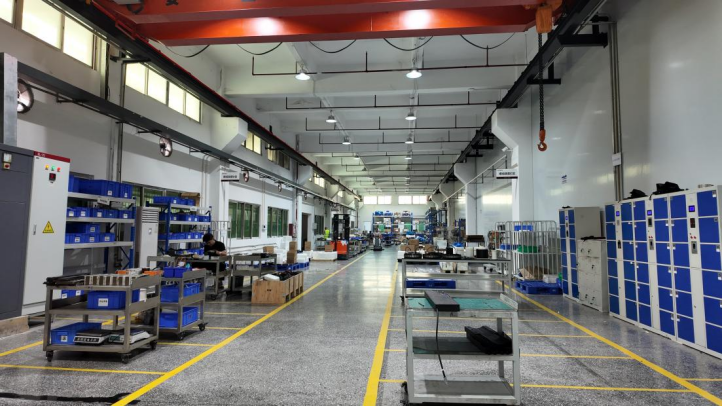
DGSMARTWIN series linear modules support customized body height, effective stroke, mounting holes and mounting forms according to the internal layout of equipment, perfectly matching the structure of various compact medical testing devices. Compatible with mainstream motion control systems, the modules feature easy integration and simple commissioning. Our professional engineering team provides free load calculation and precise model selection guidance, effectively cutting R&D costs for equipment manufacturers and shortening project implementation cycles.
At present, DGSMARTWIN linear modules dedicated for medical applications have been deployed in mass-production projects of multiple medical equipment manufacturers. The modules thoroughly solve issues including vibration during sample transfer, particle contamination and positioning deviation, stabilizing testing accuracy and enabling high-precision, clean and highly stable operation of medical testing instruments.
Q: Why do medical testing devices impose strict requirements on vibration and cleanliness of linear modules?
A: Medical testing instruments are widely used for slide scanning, reagent sampling and sample transportation. Linear modules serve as core motion components for sample transfer and scanning positioning. The equipment generally adopts a sealed clean chamber, and samples and reagents are highly sensitive to vibration and dust. Vibration generated by the module will transmit to the carrier and samples, impairing imaging clarity and positioning repeatability. If particles produced during operation enter the chamber, slide specimens, biological reagents and test samples may get contaminated. Therefore, for such applications, motion smoothness, positioning repeatability, low particle emission and clean protection performance are often more critical than simple load and speed specifications.
Q: How is consistency guaranteed for modules in batch installation?
A: Batch consistency control of linear modules covers three major stages: incoming component inspection, standardized assembly process and unified factory testing. Acceptance criteria including test items, performance specifications, judgment rules and 100% / sampling inspection plan shall be defined at the early project phase. For components, core parts are sourced from fixed suppliers with specified models to minimize batch-to-batch differences. During production, dedicated tooling, standardized SOP, fixed torque and preload parameters ensure identical assembly status for every module. Key parameters such as repeat positioning accuracy, straightness and vibration are tested under consistent environment before delivery.
Medical equipment makers are recommended to lock module model and full configuration at project introduction stage, and avoid mixing different configurations on the same machine model. If cross-batch usage is required, batch deviation shall be evaluated to confirm it is within the machine tolerance. Final on-machine performance is also affected by base flatness and field assembly workmanship. Relevant specifications and acceptance rules should be agreed in advance during commercial and technical negotiation.