

 En
En



Energy Storage & Lithium Battery Capacity Expansion: Smartwin DD Motors Build Domestic Clean Motion Solutions for Rotary Stations
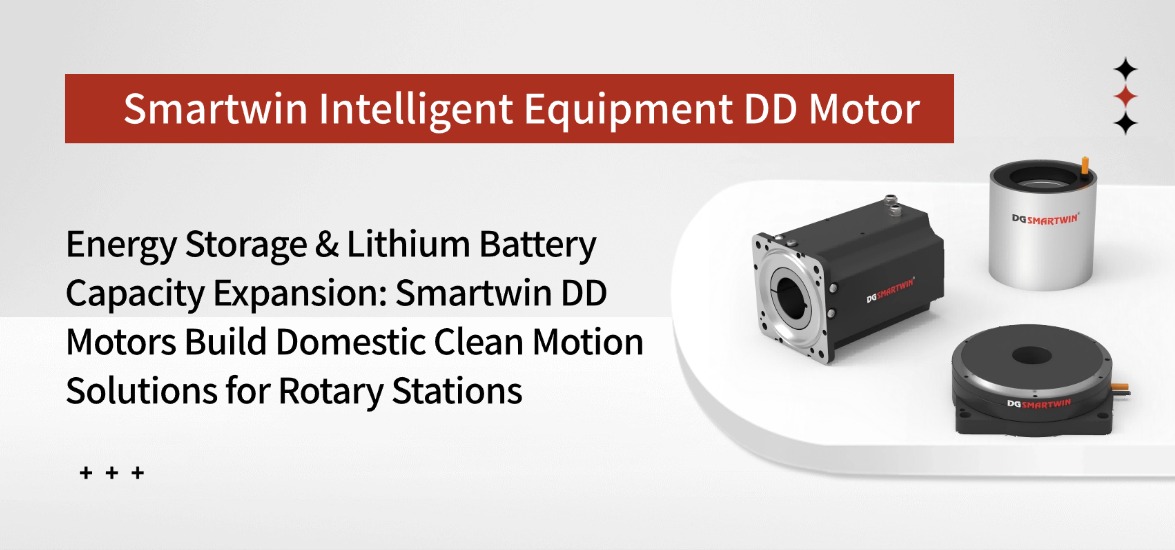
Energy Storage & Lithium Battery Capacity Expansion: Smartwin DD Motors Build Domestic Clean Motion Solutions for Rotary Stations
1. Grasping New Energy Automation Trends and Meeting New Challenges for Transmission Components
Energy storage, power battery and photovoltaic manufacturing represent the fastest growing segments of industrial automation. Production lines in these industries are continuously evolving toward long-stroke layouts, high-speed cycle beats, clean and low-dust operation, and 24/7 non-stop production. Rotary processes such as cell inspection, pole piece positioning, and photovoltaic wafer sorting generally require high-frequency forward and reverse rotation as well as high-precision angular positioning.
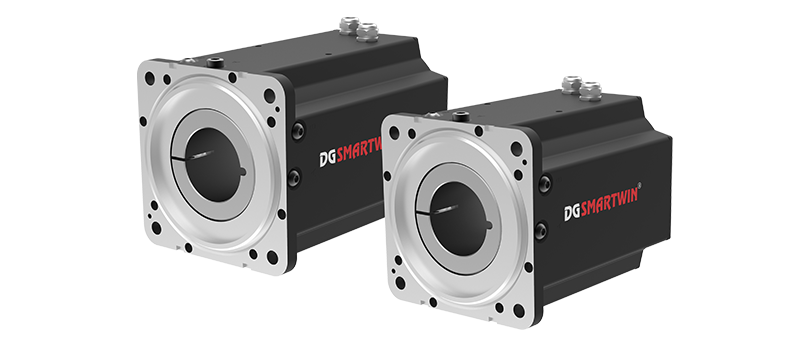
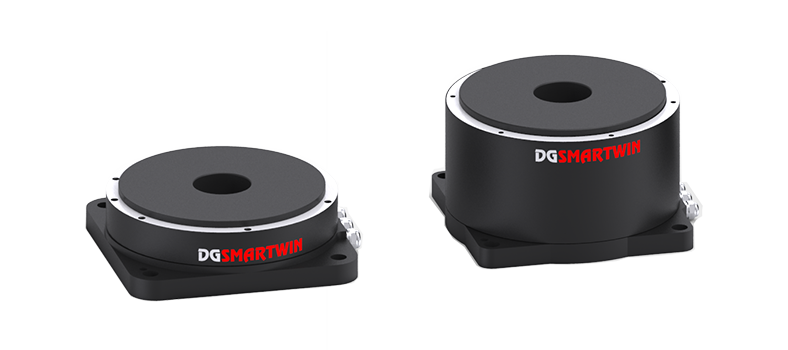
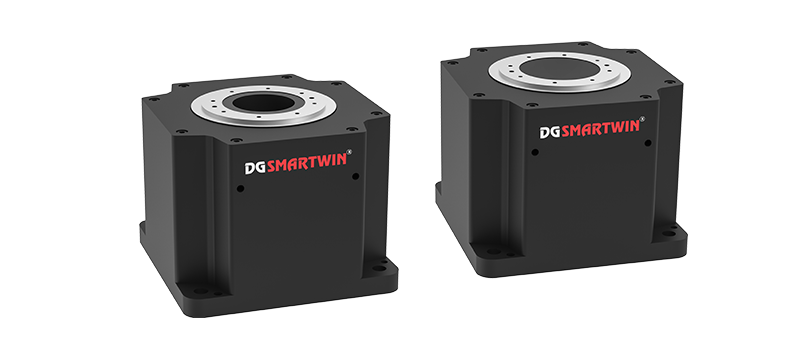
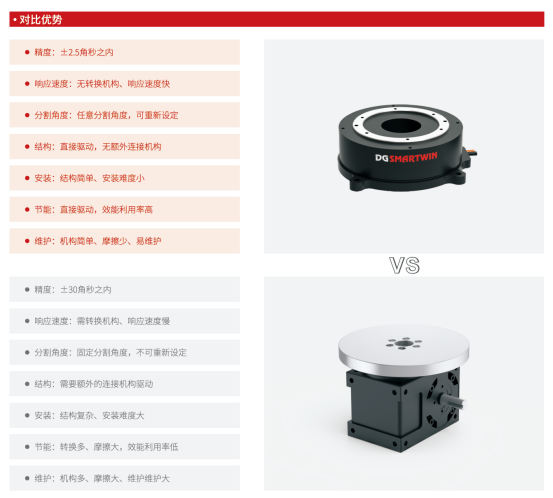
Traditional motor-plus-reducer solutions suffer from angular deviation caused by mechanical backlash. Gear wear leads to continuous accuracy degradation over time, while frequent disassembly and maintenance greatly reduces overall production line uptime. Smartwin DD motor direct-drive solutions eliminate all intermediate transmission structures and directly drive loads through the motor output shaft. This design completely removes transmission backlash, delivers stable angular positioning, and perfectly adapts to high-frequency reciprocating rotary processes on new energy production lines.
2.Hardware and Structural Design Adapted to Harsh Operating Conditions in New Energy Workshops
For new-energy automation equipment, adaptability to complex workshop environments directly determines long-term production yield. Lithium-battery workshops are filled with electrode powder and corrosive gas evaporated from electrolyte. The environmental tolerance of components largely governs the service life of complete machinery. Conventional transmission solutions face issues such as deteriorated gear-box lubricant accelerated by ambient conditions and accelerated component wear.
Featuring gear-free direct-drive architecture, DD motors avoid gear abrasion and lubricant aging, cutting down potential failure sources. Protection ratings can be selected according to actual site conditions to mitigate damage on the power unit from dust and corrosive gas. Sufficient torque output enables driving not only lightweight inspection tooling but also heavier cell fixtures, satisfying load requirements across diverse workstation applications.
3.Streamlined Maintenance Workflow for Predictive Maintenance in Smart Manufacturing
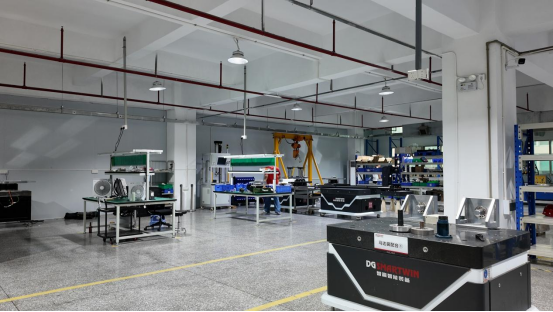
The new-generation smart factories for new-energy industries pursue not only production speed but also superior equipment maintenance capabilities to minimize unplanned downtime. Most new-energy plants operate non-stop throughout the year. Motor maintenance requiring full-unit disassembly will result in costly production-line shutdown losses.
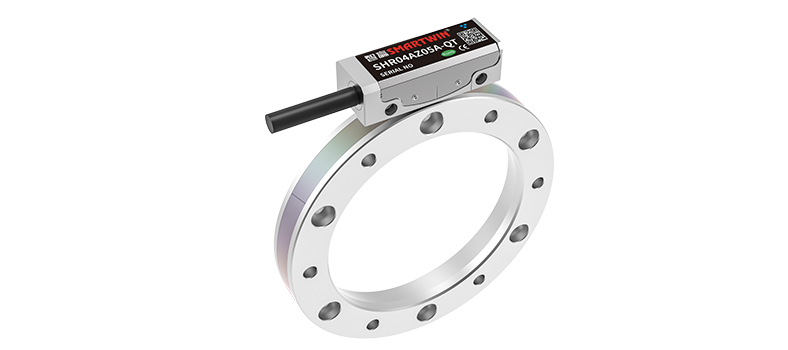
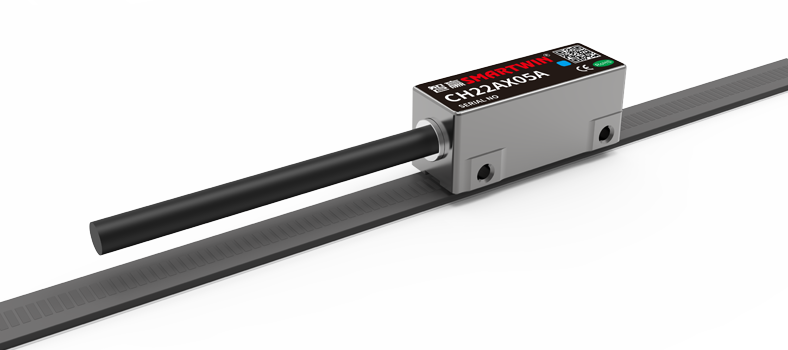
Equipped with Smartwin-developed encoders, DD motors feed back vibration, temperature and position data. Plant management systems can analyze component aging trends based on such data to implement predictive maintenance, shifting from reactive breakdown repair to proactive condition-based servicing.
4.Leveraging OEM Customization Advantages to Accelerate Localization of New-Energy Equipment Components
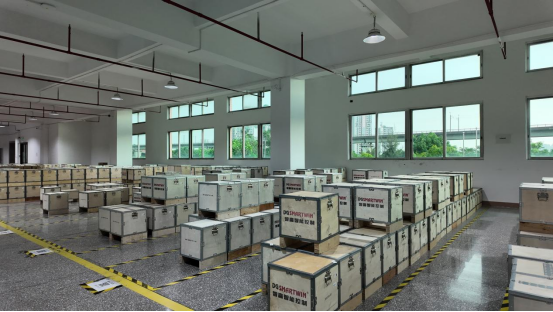
Equipment including lithium-battery stacking machines, battery appearance inspection units and silicon-wafer sorters differ greatly in installation space, torque and rotational-speed requirements. As an original manufacturer, Smartwin can customize DD motor specifications according to practical project requirements from equipment manufacturers.
Energy-storage and high-efficiency photovoltaic battery technologies are evolving rapidly, and automation equipment is continuously upgraded. As the core power component for rotary stations, DD motors exert direct influence on overall machine stability. Aligned with the development trends of new-energy automation, Smartwin has developed the high-torque, maintenance-free DD motor series. It delivers cost-effective domestic components for domestic new-energy equipment manufacturers and advances the localization process of direct-drive components.