

 En
En



High Precision Linear Motors Explained Accuracy, Speed & Industrial Uses
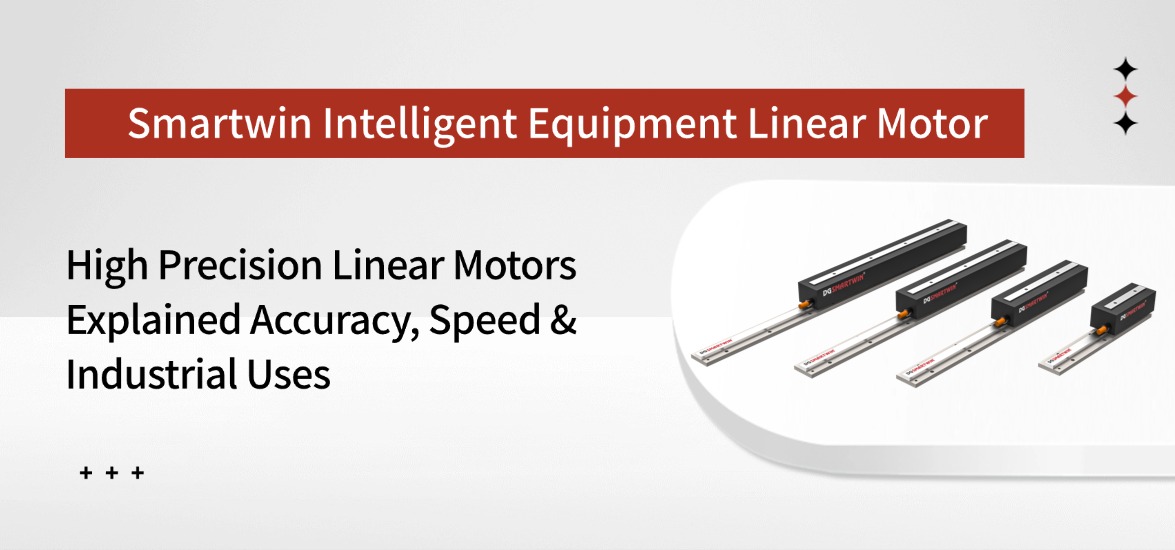
This article explains how high precision linear motors work, what determines their performance, and how they are applied in real industrial environments.
What Are High Precision Linear Motors
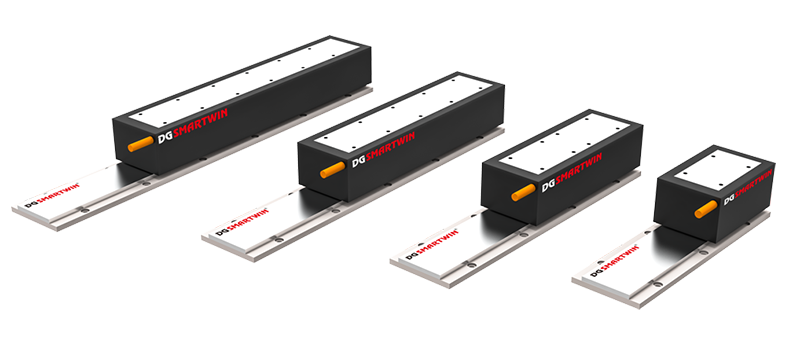
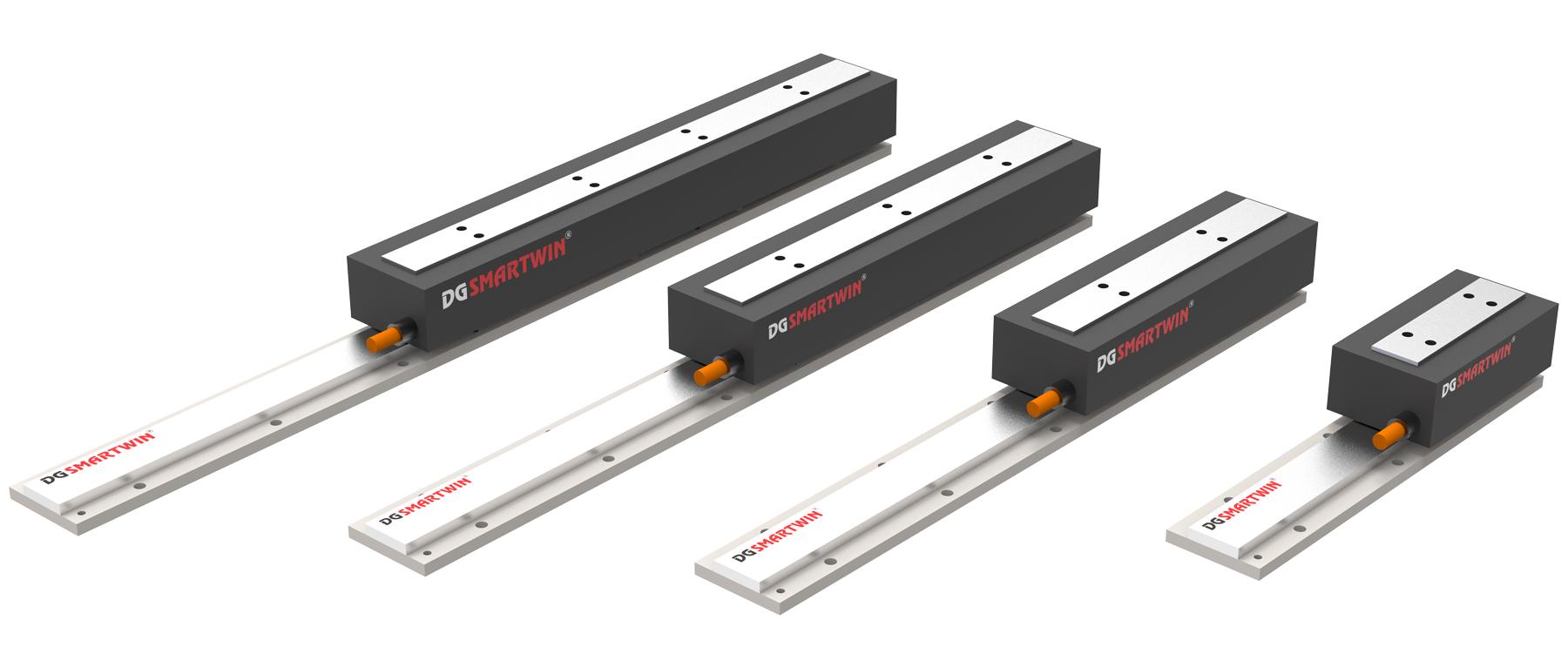
High precision linear motors are electromagnetic motion devices that generate linear movement directly through magnetic force, without using gears, screws, or belts for motion conversion.
They are commonly used in automation systems where fast response and stable positioning are required, such as semiconductor equipment, laser processing machines, and precision assembly systems.
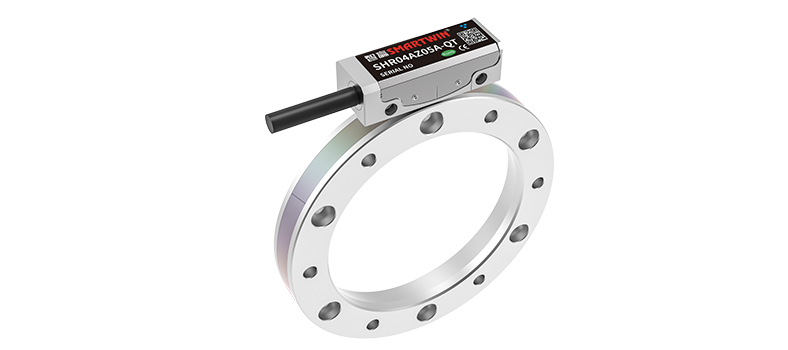
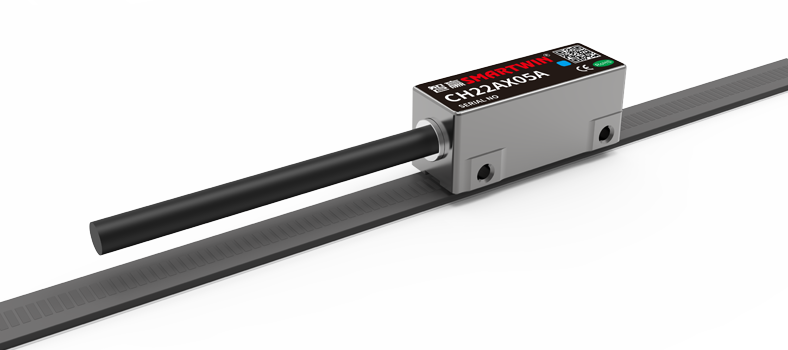
In practical applications, a linear motor works as part of a closed-loop control system, typically combined with a feedback device like a linear encoder and a servo drive to ensure accurate motion control.
Accuracy, Repeatability, and Resolution in Linear Motor Systems
Accuracy in a linear motor system refers to how closely the actual position matches the commanded position. It is influenced by control precision, feedback quality, and mechanical structure stability.
Repeatability describes how consistently the system can return to the same position under repeated motion cycles. High repeatability is essential for industrial processes that require consistent output quality over long production periods.
Resolution refers to the smallest movement increment the system can detect and execute. Higher resolution enables finer motion control in micro-positioning applications.
These three performance factors are directly influenced by encoder quality, servo control tuning, mechanical rigidity, and thermal stability of the system. Even when one component performs well, overall precision can be limited by system-level weaknesses.
Modern linear motor systems improve precision by combining high-resolution feedback devices with advanced servo algorithms and mechanical optimization. Thermal compensation techniques are also applied to reduce drift during continuous operation.
How Speed and Stability Affect Precision Motion
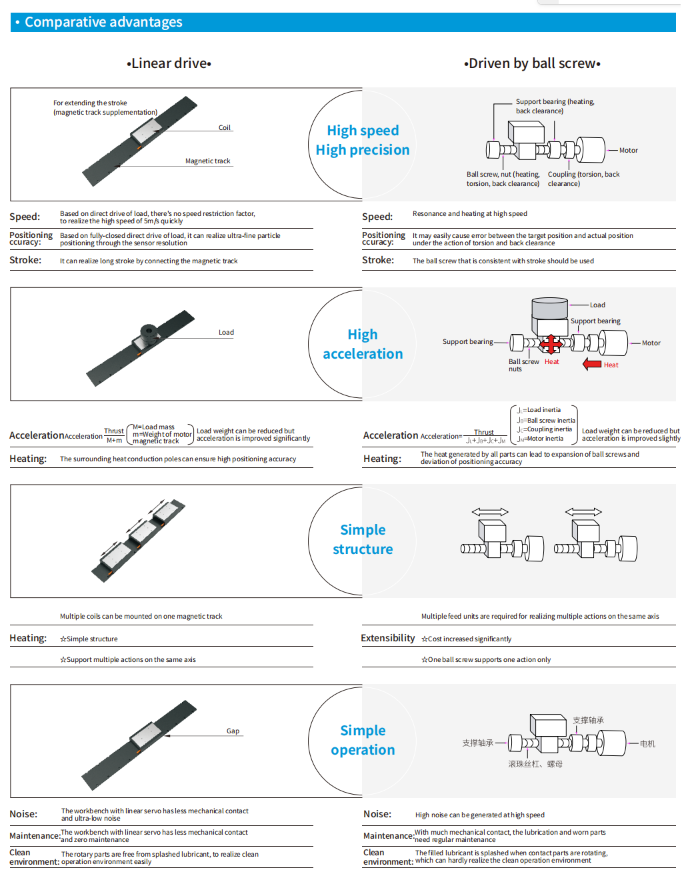
High precision linear motors can achieve very high speeds because they use a direct drive structure, enabling fast acceleration and deceleration without mechanical transmission delays.
In real industrial environments, increasing speed improves throughput, but it can also introduce vibration, heat buildup, and positioning deviation if system control is not properly balanced.
Motion stability depends on how smoothly the system manages acceleration and deceleration, how effectively vibration is suppressed, and how consistently feedback signals are processed during continuous operation.
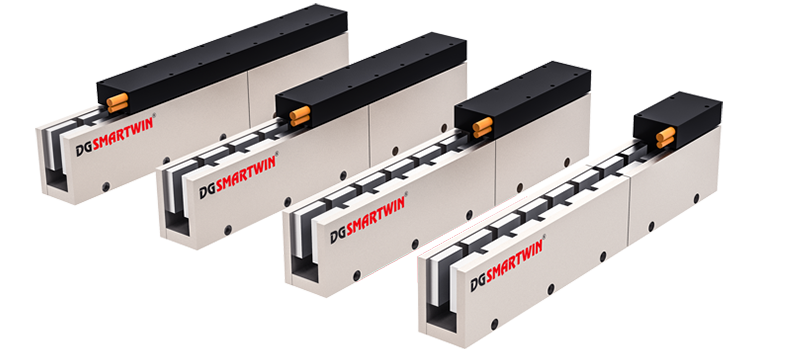
Ironless motor designs are often applied to reduce cogging force and improve motion smoothness, helping maintain positioning quality even at higher speeds.
Servo systems with real-time feedback adjustment help maintain stability by correcting deviations caused by load changes or dynamic motion conditions. Thermal control is also critical to ensure performance consistency during long-duration operation.
To support stable high-speed performance in real applications, Smartwin Linear Motor Solutions focuses on coordinated optimization of motor structure, control strategy, and thermal behavior, ensuring the system remains stable and precise even under demanding operating conditions.
Industrial Uses of High Precision Linear Motors
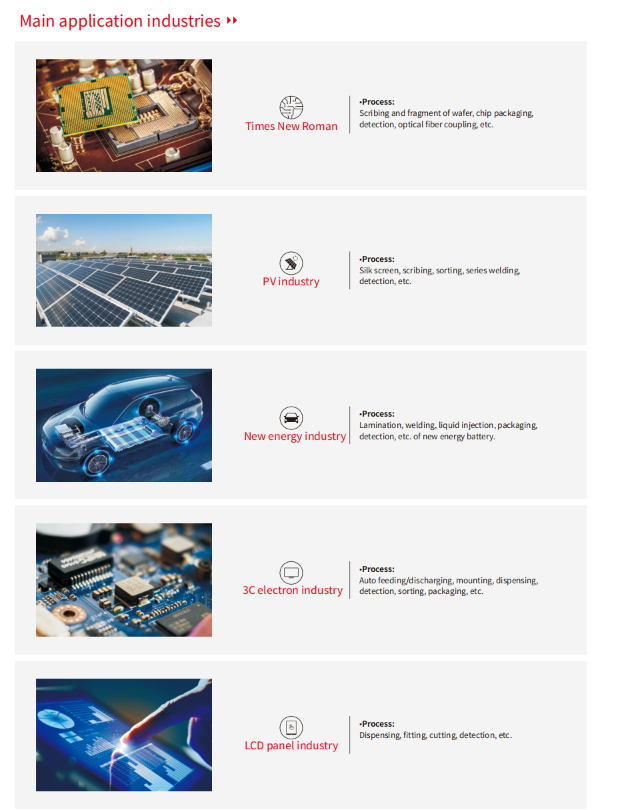
Industry | Typical Applications | Motion Requirements | Key Benefit of Linear Motors |
Semiconductor manufacturing | Wafer handling, alignment, inspection systems | Nanometer-level positioning, ultra-high throughput | Extremely high positioning accuracy and clean, stable motion |
Lithium battery production | Coating, stacking, cutting processes | Continuous motion consistency and high cycle stability | Improves yield through stable and repeatable motion control |
Laser processing | Engraving, cutting, micro-machining | High-speed scanning with fine positioning control | Enables fast motion with stable beam/path accuracy |
Medical equipment | Imaging systems, diagnostic platforms | Smooth motion and high repeatability | Ensures imaging clarity and measurement reliability |
Industrial automation | Assembly lines, testing systems, robotic motion | Multi-axis synchronization and repeatable positioning | Supports high-speed, coordinated production systems |
How Smartwin Supports High Precision Linear Motor Solutions
High precision motion performance depends on the coordinated design of the motor, feedback system, and control strategy. Instead of treating these as separate parts, Smartwin Linear Motor builds solutions around real application data and measurable performance targets.
1.Application-driven system design with defined motion parameters
Smartwin designs linear motor systems based on key machine requirements such as stroke length, load mass, acceleration profile, and duty cycle.
Typical configurations can cover a wide range of industrial needs, from compact precision stages to long-stroke automation systems used in production lines. Positioning performance is designed to achieve micron-level accuracy, with repeatability typically reaching sub-micron levels depending on the encoder configuration and system setup.
2.Flexible motor structure selection based on performance targets
Different motor architectures are selected according to application demands.
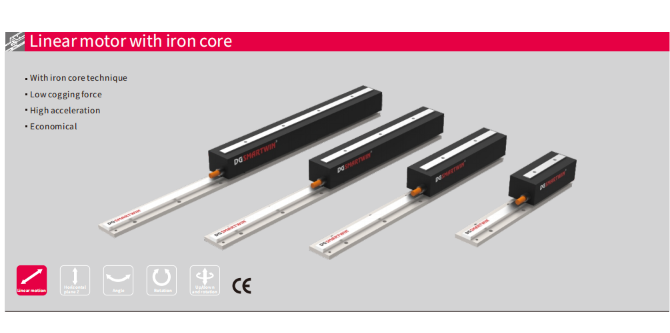
Iron-core linear motors are used when higher thrust force and heavier load capacity are required, while ironless designs are applied in systems that prioritize ultra-smooth motion and minimal cogging force for precision positioning.
This flexibility allows optimization between thrust output, motion smoothness, and space utilization, especially in high-speed or compact equipment designs.
3.Integrated control and feedback system matching
Smartwin integrates linear motors with encoder and servo systems to form a complete closed-loop motion platform.
Depending on application requirements, encoder resolution can range from sub-micron to nanometer-level feedback capability, enabling precise motion control in high-end manufacturing processes.
Servo tuning is adjusted based on load conditions and motion frequency to maintain stable positioning during high acceleration and continuous cycling operations.
4.Stability design for long-term industrial operation
Industrial motion systems must maintain consistent performance under continuous load and varying environmental conditions.
Smartwin systems are designed with thermal compensation strategies and structural stability considerations to control positioning drift during long operation cycles, typically maintaining micron-level stability under standard industrial operating conditions.
Additional design considerations include duty cycle optimization, vibration suppression, and temperature adaptation for 24/7 production environments.
5.System-level engineering for real industrial performance
Instead of supplying standalone components, Smartwin focuses on delivering integrated motion systems that combine mechanical design, control algorithms, and feedback optimization.
This system-level approach improves overall machine performance in terms of throughput, positioning consistency, and long-term operational reliability, especially in non-standard automation equipment where standard catalog solutions are not sufficient.
Looking for a tailored high precision linear motor solution? Contact Smartwin Linear Motor Solutions to discuss your application and get a customized motion system recommendation.
Back To List