

 En



Custom Linear Motor RFQ Checklist: What Information Should You Provide?

A custom linear motor quotation starts with understanding how the motor will be used. A force rating or motor dimension alone rarely provides enough information to determine a suitable configuration, particularly when an application involves limited installation space, demanding motion cycles, or an existing control system.
For a custom linear motor RFQ, the essential information includes the application, moving load, motion profile, force requirements, mechanical constraints, electrical compatibility, and project details. Some specifications may still be under development. In that case, sharing the available engineering information allows the manufacturer to identify what can be evaluated immediately and what needs further clarification.
What Should a Custom Linear Motor RFQ Include?
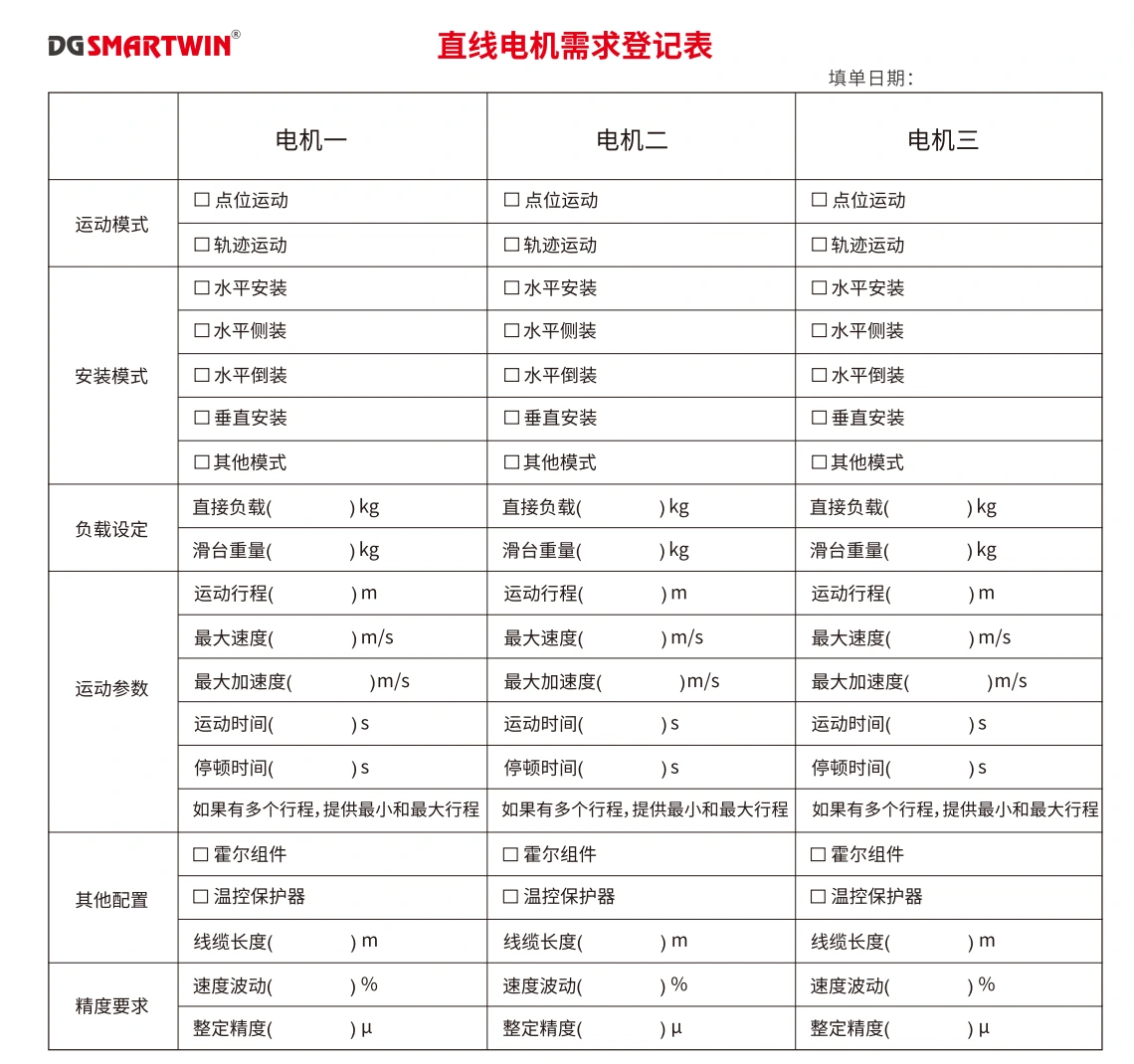
When requesting a custom linear motor, start with the application rather than a specific motor model. The manufacturer needs to understand what the motion axis is expected to do, how it fits into the machine, and which technical requirements must be met. A well-prepared RFQ should cover the following information:
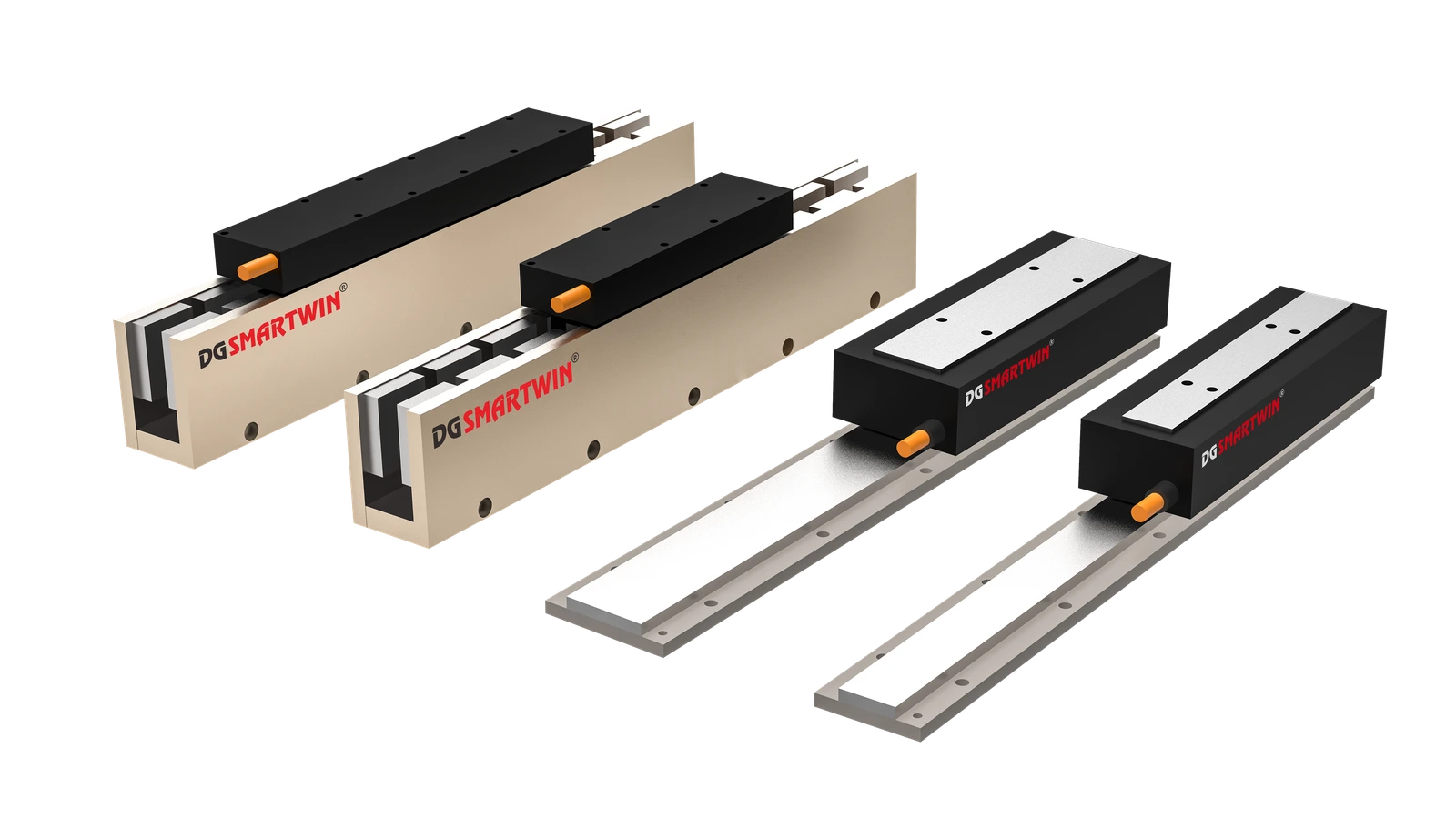
1.Application and Motion Requirements: Describe the equipment, the function of the motion axis, and the total moving mass. Include the required stroke, speed, acceleration, and operating cycle to establish how the motor will be used.
2.Motor Performance: Specify continuous and peak force requirements if they are already known. Duty cycle, ambient temperature, and cooling conditions are also relevant when assessing sustained operation.
3.Mechanical Integration: Provide the available installation space, mounting dimensions, and any restrictions affecting the motor or magnet track arrangement. Special structural requirements should be identified early.
4.Electrical and Feedback Requirements: Include the existing drive or controller model, electrical limits, encoder interface, and any specific cable or connector requirements.
5.Drawings and Project Details: Share available technical drawings, the quantity needed for initial testing, estimated production volume, and expected delivery schedule. Clarify whether the quotation should include the motor, magnet track, or additional components.
A linear motor RFQ does not have to contain every final specification. For example, if the required thrust has not yet been calculated, the load and motion data can be used for an initial assessment. Other details can be refined as the design progresses, provided that fixed constraints and unresolved requirements are clearly distinguished. This gives both sides a practical starting point without committing to a motor configuration too early.
Define the Motion and Performance Requirements for a Custom Linear Motor
The performance requirements of a custom linear motor depend on how the motion axis operates, not simply on its maximum load or travel distance. A precision inspection stage moving at a steady scanning speed has different demands from an automated handling system that repeatedly accelerates, stops, and changes direction. Describing the actual movement helps establish the force and operating conditions the motor needs to handle.
1.Describe the Load and Motion Profile
The total moving mass includes the carriage, workpiece, fixtures, and any other components traveling with the axis. For vertical or inclined installations, the effect of gravity must also be considered.
Along with the required stroke and maximum speed, the motion profile should describe acceleration, deceleration, travel time, and any pauses between movements. These details are particularly relevant in high-cycle automation, where frequent changes in speed can place greater demands on the motor than steady movement.
If the equipment follows a repeated sequence, providing a simple motion diagram or cycle description can help clarify its operating conditions. This is often more useful than specifying maximum speed alone.
2.Clarify Force and Continuous Operating Conditions
Continuous force and peak force serve different purposes in motor selection. Peak force determines whether the motor can handle short periods of high thrust demand, such as rapid acceleration. Continuous force indicates the thrust the motor can sustain under specified thermal conditions.
Where these values are already available, they should be included in the RFQ. Otherwise, the manufacturer can use the moving mass, motion profile, and relevant external loads to estimate the required force. For more information, see Smartwin's guide on How to Calculate the Required Force for an Iron Core Linear Motor.
Operating conditions also influence the choice of motor. Long production cycles, limited heat dissipation, or elevated ambient temperatures may reduce the available continuous thrust. Including these conditions early helps ensure the proposed motor is suitable for the intended workload, rather than being selected on peak force alone.
Review Linear Motor Specifications for Mechanical and Electrical Integration
A custom linear motor must fit the available installation space and work with the machine's control system. Even when the motor meets the required performance, mechanical restrictions or electrical incompatibility can affect the final configuration.
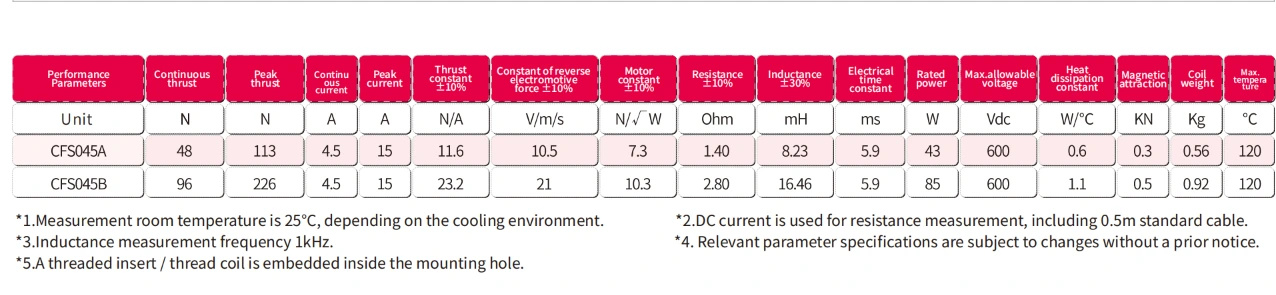
Mechanical Dimensions and Magnet Track Arrangement
The available mounting space, fixing positions, and clearance around the motion axis influence the motor size and installation arrangement. The required stroke also needs to be considered alongside the forcer dimensions, as it does not always correspond to the total magnet track length.
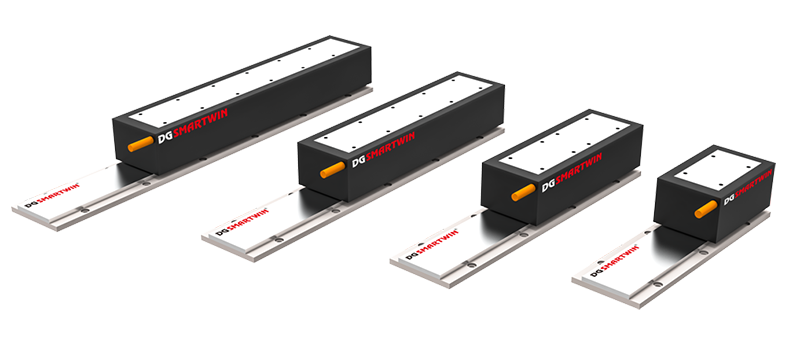
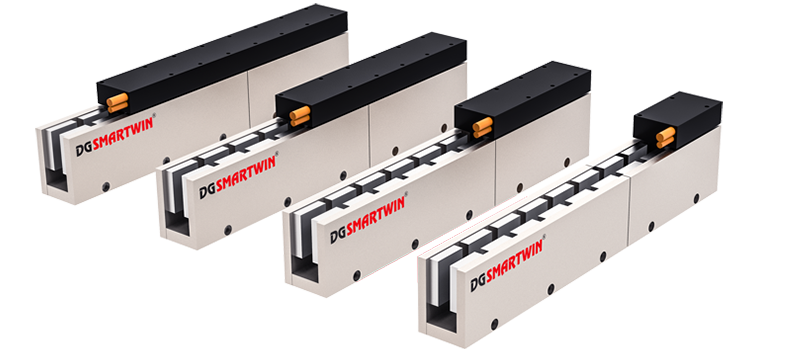
For example, Smartwin's CFS iron-core linear motor series offers different configurations for industrial automation. When evaluating a suitable model, the installation height, mounting dimensions, and magnet track arrangement should be checked against the machine layout. A dimensioned drawing can help identify potential restrictions before the design is finalized.
Drive, Controller and Position Feedback Compatibility
Electrical compatibility depends on the motor's requirements and the capabilities of the existing drive. Voltage, current limits, and relevant electrical characteristics must be considered, particularly when replacing a motor without changing the control system.
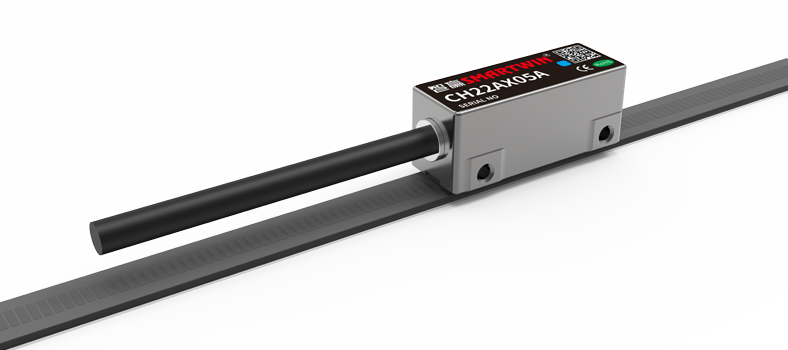
Position feedback is another important factor. Smartwin's CH22 magnetic linear encoder, for instance, provides incremental ABZ differential output, which requires a compatible controller interface. Encoder resolution and feedback performance should also be assessed alongside the machine's positioning requirements.
Cable connections and routing constraints should be included where they affect installation, especially on axes with limited space or repeated movement.
What Drawings and Project Details Are Needed for a Linear Motor Quotation?
Technical drawings help clarify installation requirements that may be difficult to describe in an RFQ. A machine layout showing the available space, mounting positions, and travel limits is often sufficient for an initial review. If the project involves replacing an existing motor, its datasheet or installation drawing can also provide a useful reference.
Complete 3D CAD files are not always necessary at the early inquiry stage. However, drawings should clearly identify fixed dimensions, any special design constraints, and the current revision to avoid confusion as the project develops.
Beyond the technical requirements, a linear motor quotation should reflect the project's purchasing needs. Prototype quantity, estimated production volume, and expected delivery schedule can influence pricing and lead time. The quotation should also clarify whether it covers the motor forcer alone or includes the magnet track and other required components.
For specifications still under development, marking them as TBD (To Be Determined) allows the initial evaluation to proceed while keeping unresolved details visible.
Custom Linear Motor RFQ Example
The following example shows how an equipment manufacturer might prepare a custom linear motor RFQ for a precision inspection stage. It brings the essential application, technical, and purchasing requirements into one document, making it easier to identify suitable motor configurations.
| RFQ Item | Example Requirement |
| Application | Precision inspection positioning stage |
| Axis Orientation | Horizontal |
| Moving Mass | 12 kg, including carriage and tooling |
| Effective Stroke | 500 mm |
| Maximum Speed | 1.0 m/s |
| Acceleration | 5 m/s² |
| Motion Cycle | Repeated positioning moves; dwell time TBD |
| Force Requirements | To be calculated from the completed motion profile |
| Mounting Space | Maximum available motor height: 60 mm |
| Drive / Controller | Existing servo drive; specifications attached |
| Position Feedback | Encoder interface to be confirmed |
| Operating Environment | Indoor, 20–30°C |
| Prototype Quantity | 2 units |
| Estimated Annual Volume | 100 units |
Note: These values are illustrative and do not represent a verified Smartwin product configuration.
In this example, the main motion and installation requirements are available, while the final force calculation and feedback configuration remain open. The manufacturer can use these details for an initial technical review and identify any additional information needed before confirming the design and quotation.
Frequently Asked Questions
Can I Request a Custom Linear Motor Quote Without Knowing the Required Force?
Yes. If the required thrust has not been calculated, the moving mass, acceleration, motion cycle, and external loads can provide a starting point for motor sizing. Additional operating details may be needed before the final specifications are confirmed.
Do I Need Complete CAD Drawings for a Custom Linear Motor RFQ?
Not necessarily. A dimensioned sketch or preliminary machine layout may be sufficient for an initial review. Detailed CAD drawings become more important when finalizing mounting interfaces, mechanical clearances, and customized components.
Does Stroke Length Determine the Required Magnet Track Length?
Not entirely. Magnet track length also depends on the forcer dimensions, motor arrangement, and travel margins. The complete axis geometry should be reviewed before confirming the required track configuration.
What Affects Custom Linear Motor Pricing and Lead Time?
Motor configuration, mechanical modifications, order quantity, and testing requirements can all influence pricing and delivery. Custom components or additional engineering work may also affect prototype lead times.
Conclusion
A well-prepared custom linear motor RFQ does not require every specification to be finalized. Clear application requirements, accurate drawings, and a defined project scope provide a practical starting point for evaluating suitable motor configurations.

If you are developing a new automation system or upgrading an existing motion axis, Smartwin can help review your application requirements and explore appropriate linear motor options.
Back To List