

 En
En



As the Control Hub of Direct-Drive Systems: How Smartwin Drives Fully Unleash the Hardware Performance of Direct-Drive Motors
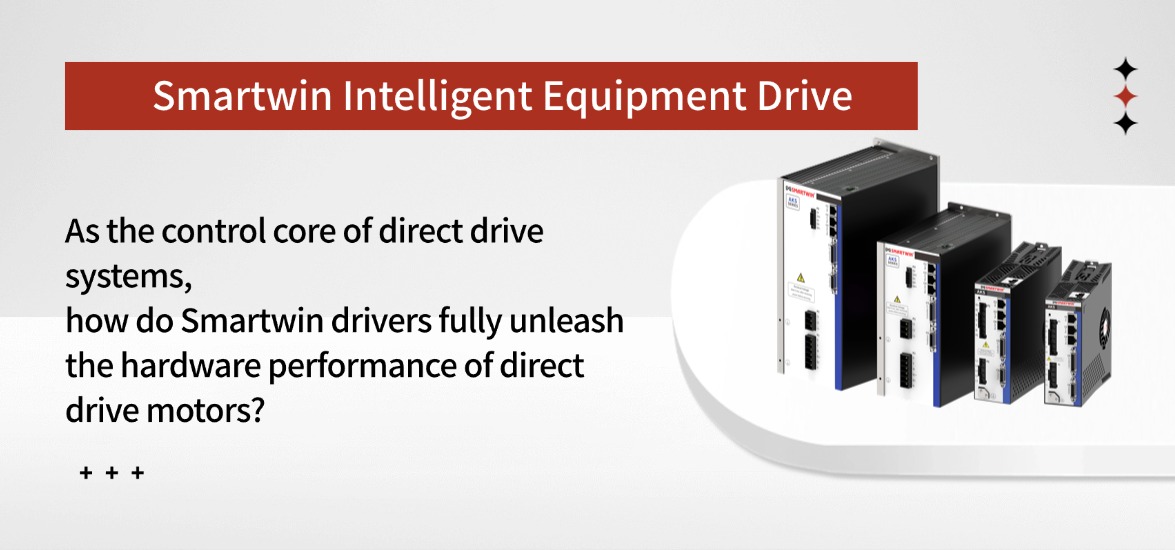
As the Control Hub of Direct-Drive Systems: How Smartwin Drives Fully Unleash the Hardware Performance of Direct-Drive Motors
1. Frequently Overlooked During Component Selection: The Drive Defines the Practical Ceiling of the Entire Direct-Drive System
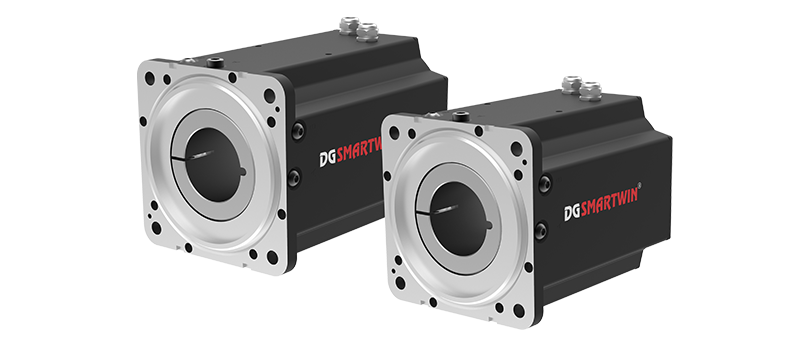
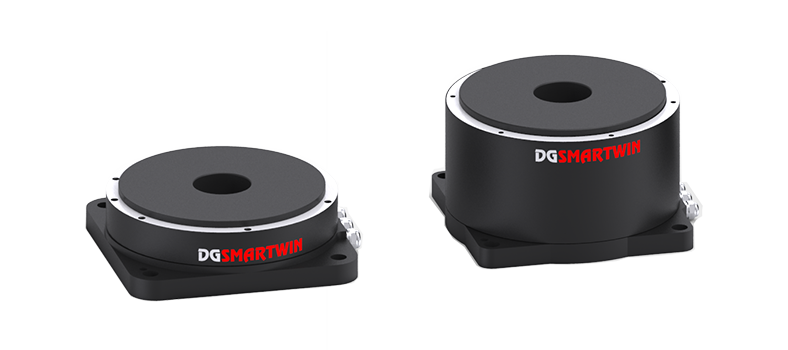
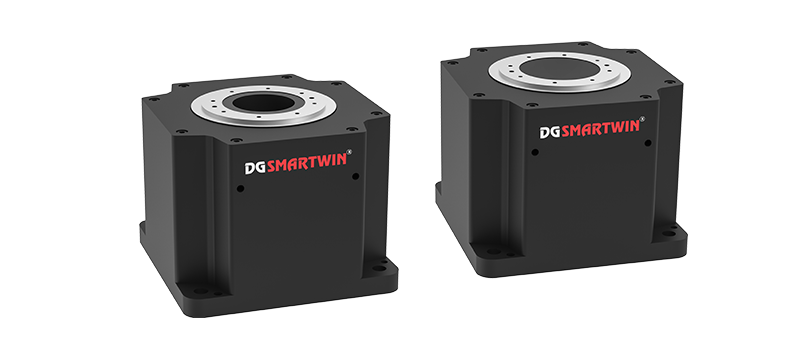
Many equipment manufacturers focus on hardware parameters such as torque and speed of direct-drive motors during selection and tend to underestimate the value of drives. A direct-drive motor sets the theoretical performance limit, while the drive determines whether the hardware performance can be fully utilized. Even with excellent motor hardware parameters, poor matching with the drive may still trigger various problems including jitter, difficult tuning, positioning deviation and signal fluctuation, resulting in wasted hardware potential.
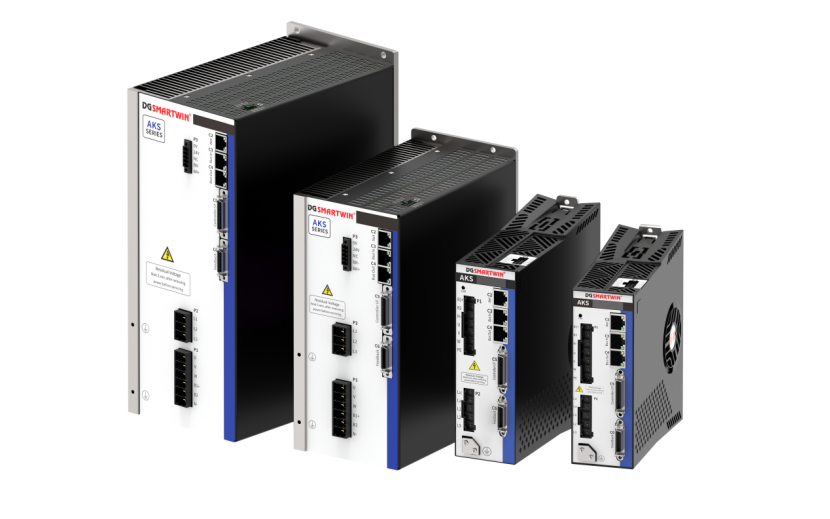
Conventional commercial drives feature rudimentary algorithms, weak filtering capacity and delayed closed-loop response, making them poorly adapted to the electrical characteristics of industrial direct-drive motors. Smartwin dedicated drives are deeply adapted and tuned for the electrical characteristics of direct-drive motors. They match the power output logic from the source to maximize the advantages of direct-drive hardware.
2.Precise Three-Loop Closed-Loop Control to Meet Diverse Industrial Process Requirements
Smartwin drives adopt mature three-loop closed-loop control algorithms for current, speed and position, featuring fast response and high adjustment accuracy. They can precisely correct operating deviations and effectively suppress start-stop shock and mechanical resonance. Free switching among three control modes — position, speed and torque — is supported to easily cover most rotary process scenarios of automated equipment. Position mode is suitable for precision positioning and inspection stations to guarantee angular repeatability; speed mode applies to constant-speed scanning and continuous transfer stations; torque mode fits special processes such as flexible pressing, tension control and torque testing. Flexible multi-mode switching enables a single machine to support multiple processes, greatly improving the flexible production capacity of equipment.
3. Industrial-Grade Anti-Interference Design to Resolve Random On-Site Faults
Industrial sites have complex electromagnetic environments with dense inverters, welding machines and high-power equipment, which easily generate electromagnetic noise. This interferes with signal transmission between the drive, motor and encoder, triggering random alarms, positioning jumps and abnormal shutdowns. Smartwin drives use industrial-grade components and optimized PCB shielding layout, combined with multi-stage digital filtering algorithms to filter on-site electromagnetic noise. They ensure stable command issuance and encoder signal reception, reduce random abnormal alarms, and improve the on-site adaptability and operational reliability of the whole direct-drive system.
4. Comprehensive Protection and Data Collection Enabling Intelligent Equipment Operation and Maintenance
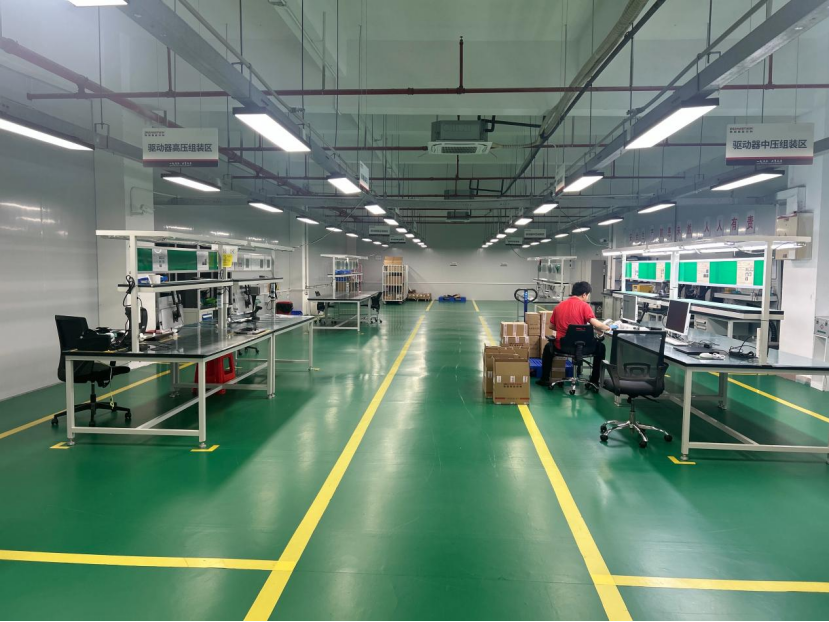
The drive integrates multiple protection mechanisms including overcurrent, overvoltage, overtemperature, overload and encoder fault protection. It monitors the operating status of equipment in real time and triggers immediate shutdown protection upon abnormalities to prevent damage to the motor body. Meanwhile, it collects 24/7 operational data such as running current, temperature, rotating speed and alarm logs, and uploads them to the host controller and factory IoT platform via mainstream industrial buses. With complete operational data, enterprises can analyze equipment load variations and component aging trends to implement predictive maintenance, reduce unplanned production line downtime, and cater to the construction of smart factories for lithium battery and semiconductor industries.