

 En



How to Achieve Homing-Free Power-Up for Direct-Drive Equipment? SMARTWIN Analyzes System Matching Guidelines for Absolute Encoders
How to Achieve Homing-Free Power-Up for Direct-Drive Equipment? SMARTWIN Analyzes System Matching Guidelines for Absolute Encoders
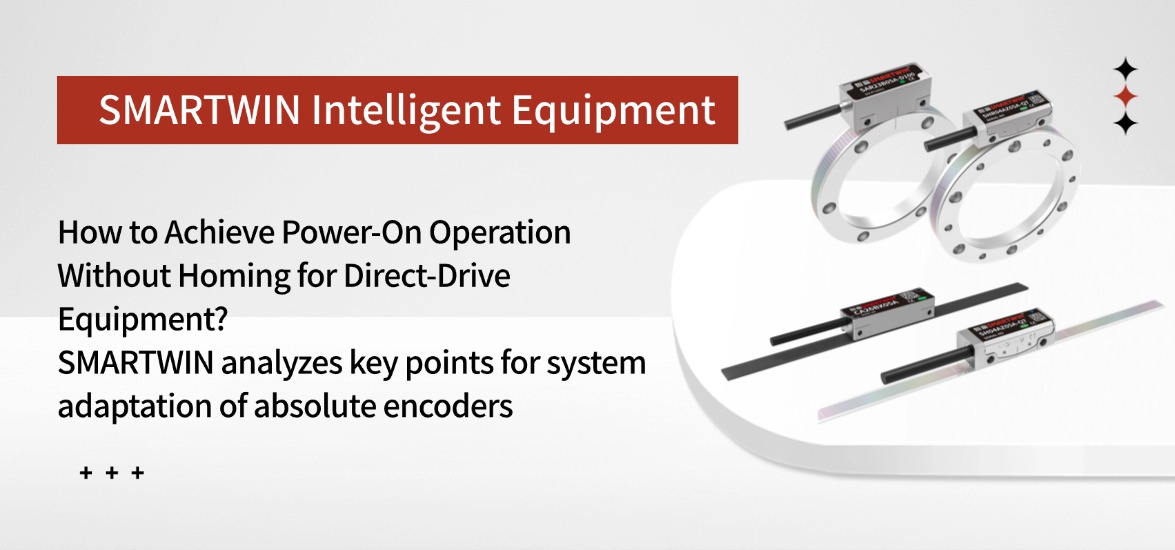
Many automated equipment in the semiconductor and display panel industries require 7×24 continuous production. In case of unexpected power loss or emergency stop, systems equipped with conventional incremental encoders must perform a homing cycle after power-up. Homing consumes production time and carries risks such as collision and workpiece scrap caused by homing failures. Many machine builders aim for immediate readiness upon power-up without homing, which relies on proper selection and system matching of SAR rotary absolute ring encoders and SA linear absolute optical encoders.
As commissioning engineers, we have encountered numerous projects where absolute encoders were selected, yet the system integration was incomplete. After power cycling, the controller still cannot read position data directly, failing to meet the target performance.
I. Inherent Drawbacks of Incremental Encoder Solutions
Many legacy machines adopt incremental encoder solutions, which calculate position by counting accumulated pulses.
1. All position data is lost upon power failure, so a homing cycle is mandatory after every power-up.
2. After unexpected tripping or emergency stop on the production line, all axes require homing, which consumes cycle time.
3. Any abnormal homing operation carries risks of stage collision and workpiece damage.
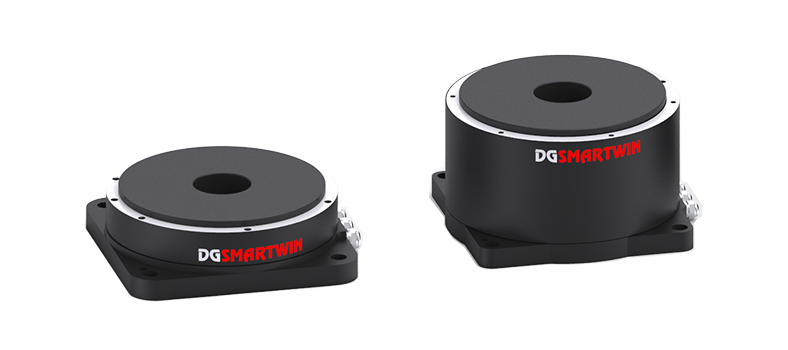
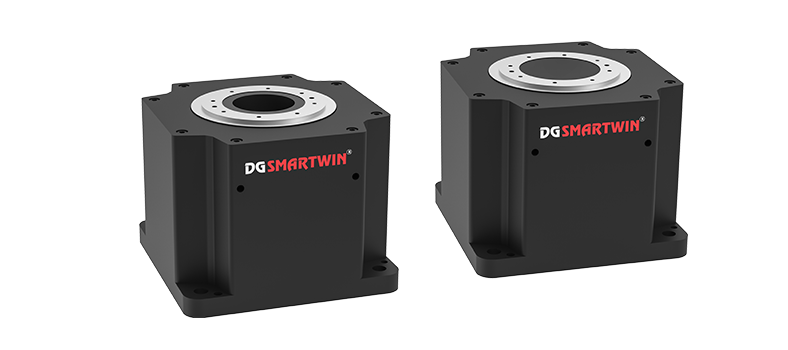
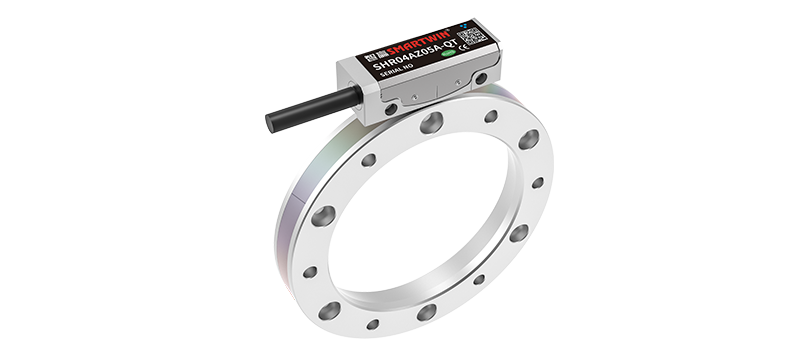
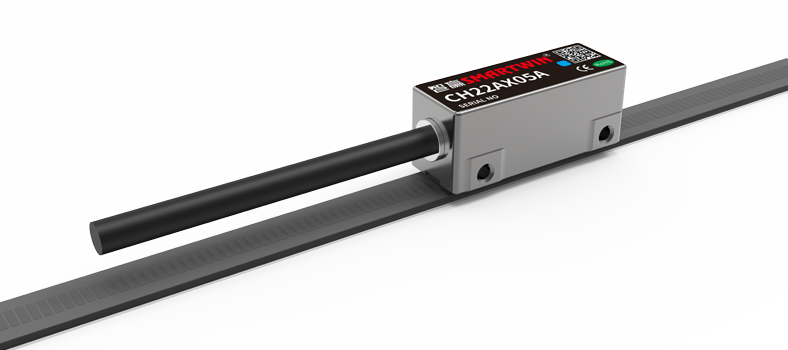
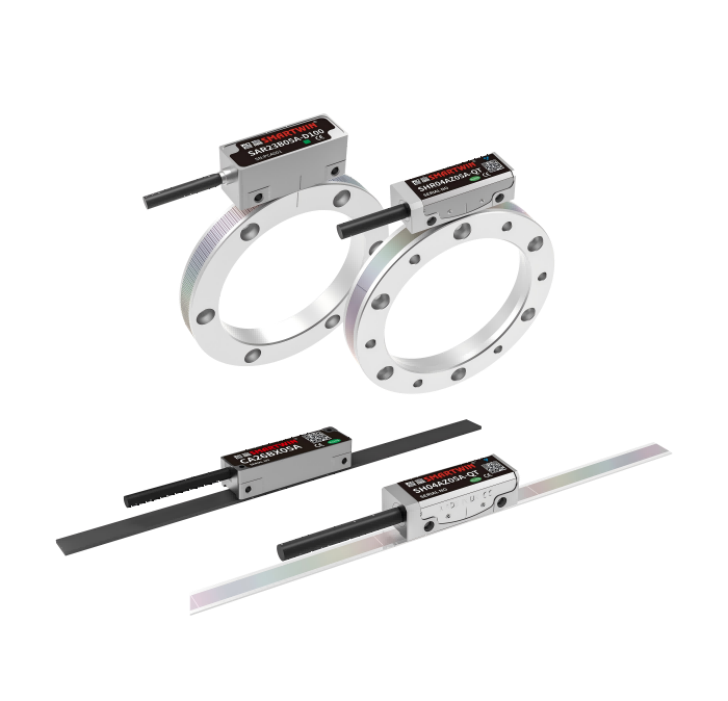
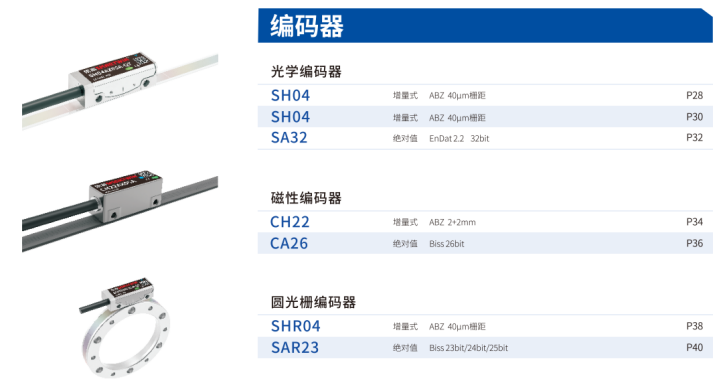
On multi-station flexible production lines, repeated homing wastes runtime and continuously reduces equipment OEE. SMARTWIN self-developed SAR ring absolute encoders (for DD motors) and SA linear absolute optical encoders (for linear motors). Paired with AKS series drives, they support direct reading of actual physical positions at power-up with no homing required.

II. Absolute Encoder Selected but Improper System Configuration Disables the Function
In some projects, absolute encoders are purchased as hardware, while drive parameters and host controller logic remain unconfigured accordingly. The system still runs under incremental-mode logic, and homing is still required after power cycling.
1. The encoder hardware is absolute type, but the drive is set to incremental operation mode.
2. The host program fails to read absolute position telegrams from the encoder and keeps executing homing sequences.
3. Only components are replaced without synchronous adaptation of the whole control system, so the hardware advantages cannot be realized.
During project communication, SMARTWIN provides not only encoder hardware, but also drive configuration guides and reference communication telegrams for the host controller. We assist machine builders to complete full system integration and avoid the issue of “hardware ready but software unmatched”.
III. Understand the Application Boundaries of Absolute Encoders Objectively
Absolute encoders solve the problem of position loss after power failure, but this does not mean that calibration is never required for the equipment. Accuracy re-verification is still necessary after collisions or major mechanical disassembly and reassembly. If the mechanical structure is modified, the physical home reference of the absolute encoding also needs reconfirmation. It should not be misunderstood that accuracy checks are unnecessary for the entire service life once an absolute encoder is installed.
1. Normal start-stop or unexpected power loss: The system reads position directly after power-up and skips homing to save production time.
2. After collision or mechanical component disassembly: Accuracy re-verification is recommended.
3. Absolute encoders cannot replace regular full-machine accuracy maintenance.
FAQ
Q: Since the home position is “absolute”, does it mean accuracy calibration is unnecessary?
A: No. Two separate concepts must be distinguished:
Position retention: Whether the system can retain coordinates after power cycling. This function is realized by absolute encoders.
Validity of accuracy: Whether the coordinate readout from the encoder matches the true mechanical position. This depends on the mechanical assembly status and has nothing to do with whether the encoder is absolute or incremental.
In cases such as collision, mechanical reassembly or structural deformation, the mechanical reference will shift. Even if the encoder outputs position readings, those values will deviate from the real physical position. Absolute encoders retain position information after power loss, but they cannot replace periodic accuracy verification and calibration.