

 En
En



The Central Nervous System of Motion Control: How Smartwin Drives Unleash Full Performance of Direct-Drive Hardware
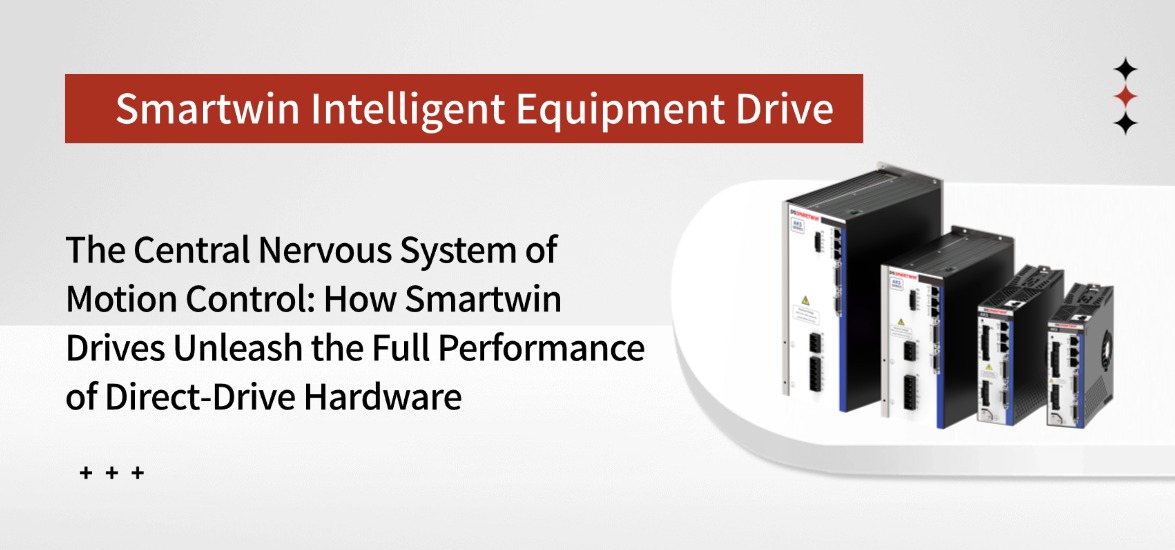
The Central Nervous System of Motion Control: How Smartwin Drives Unleash Full Performance of Direct-Drive Hardware
1. Motor Selection Alone Is Not Sufficient — Drives Determine the Final Performance of Direct-Drive Systems
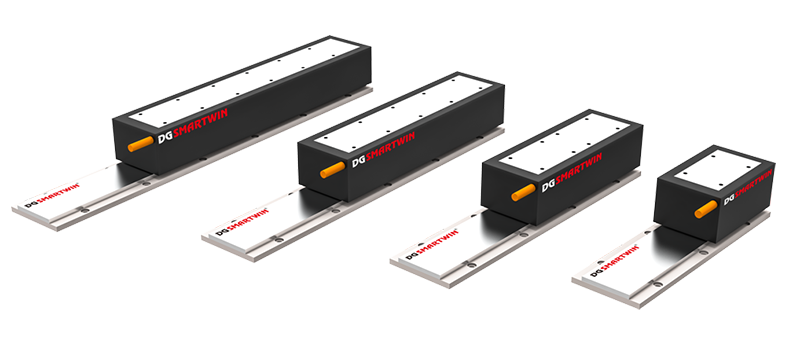
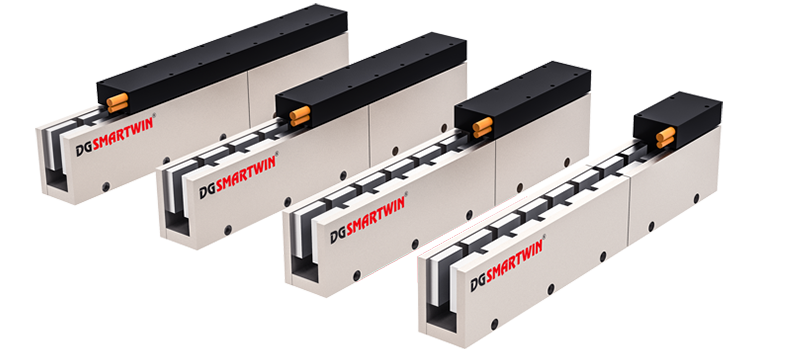
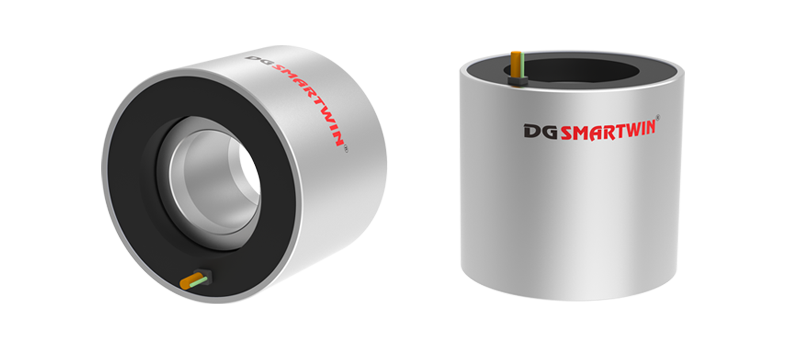
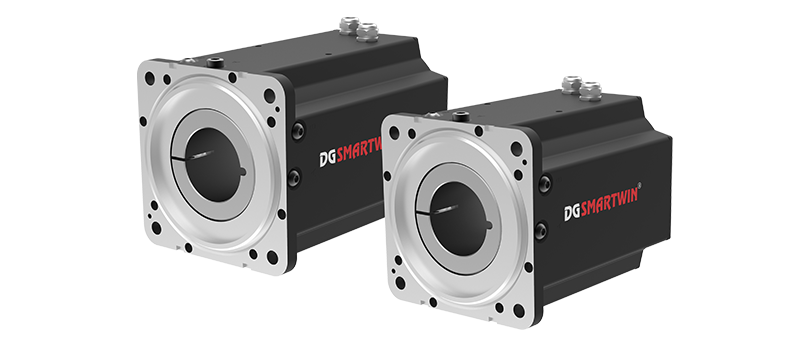
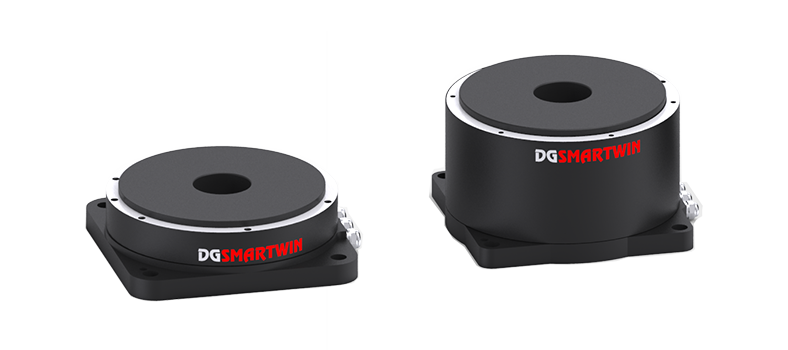
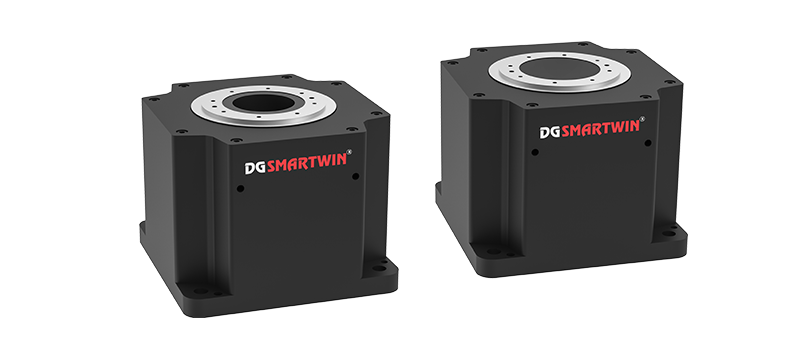
During equipment component selection, most engineers focus heavily on torque and speed parameters of DD motors while overlooking the critical role of drives. DD motors deliver torque output, whereas drives serve as the central control unit for the entire direct-drive system.
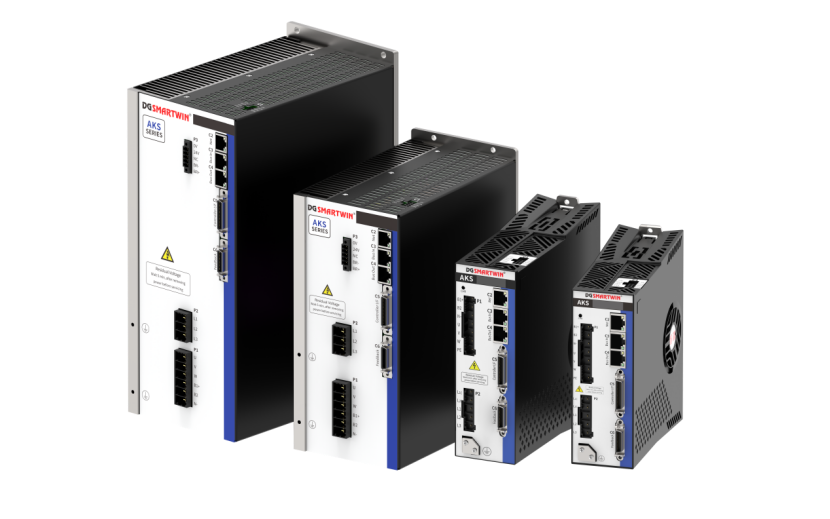
Even with the same DD motor, pairing it with drives of different performance levels yields drastically different real-world equipment behavior in terms of response, jitter suppression and positioning stability. Drives undertake multiple tasks including command parsing, current closed-loop control, position closed-loop control and signal interaction. They receive motion commands from the host controller, dynamically adjust the output torque of DD motors in real time, and process feedback signals from encoders to realize deviation compensation. Insufficient control algorithms or poor quality signal processing within drives will prevent high-grade DD motor hardware from achieving its rated performance. Smartwin develops matching drives tailored for its own DD motors. Motors and drives are jointly calibrated to reduce hardware-software compatibility failures at the source.
2. Multi-Mode Control for Complex Process Requirements Across Diverse Industries
Smartwin servo drives support seamless switching among position, speed and torque control modes to satisfy process demands of various workstations. Position mode is adopted for semiconductor inspection rotary tables to guarantee angular positioning accuracy; speed mode is activated for high-speed production-line sorting stations to achieve smooth high-speed rotation; torque mode can be switched on for tooling pressing and tension-control stations to deliver constant-torque output.
The drive performs refined processing of acceleration & deceleration profiles, effectively suppressing start-stop impact of DD motors and reducing rotational jitter. Meanwhile, comprehensive built-in protection mechanisms conduct real-time monitoring for overcurrent, overvoltage, overheating and overload. Timely alarms will be triggered upon abnormalities to protect DD motor bodies and lower risks on-site hardware damage.
3. Rich Communication Capabilities for Connection to Digital Factory Production Lines
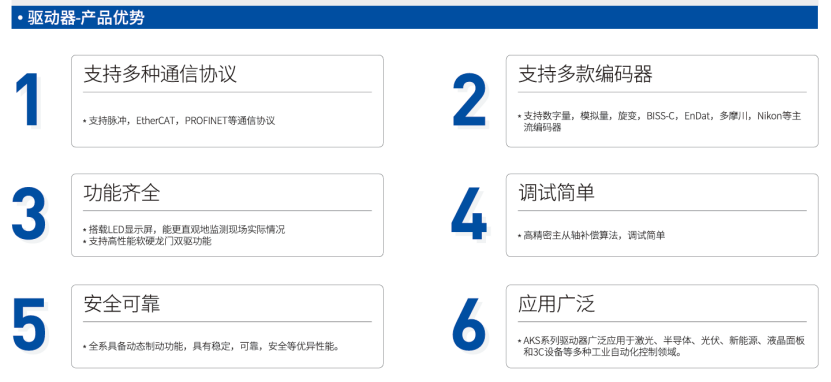
For today’s smart manufacturing plants, data interconnection among equipment is a fundamental requirement. Smartwin servo drives are compatible with mainstream industrial buses available on the market, enabling real-time upload of various operational data including running current, temperature, alarms codes and position information.
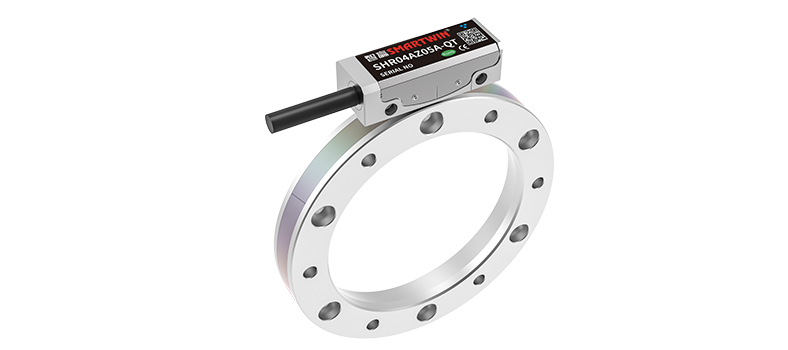
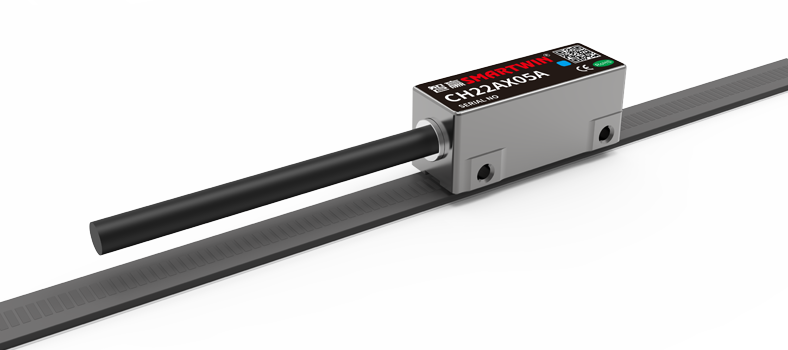
Factory 5G-loT platforms can read information collected by the drives and combine it with feedback data from encoders to implement equipment status monitoring and support predictive-maintenance workflows. When switching product processes on flexible production lines, the host controller directly issues new motion parameters. Process changeover can be accomplished rapidly without hardware modification, matching the manufacturing trend of high-mix and fast change over production.
4. Software-Hardware Synergy Boosts Localization of Direct-Drive Solutions
Sourcing motors and third-party drives tends to bring challenges such as protocol compatibility issues and tedious parameter commissioning. In case of failures, blame-shifting among multiple suppliers frequently occurs.
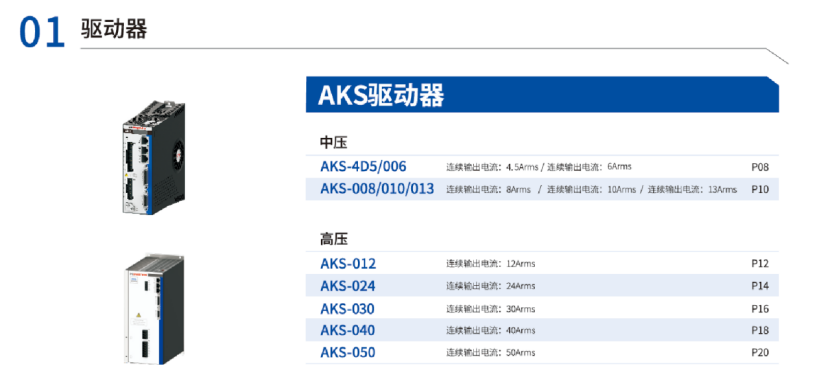
Smartwin DD motors paired with self-developed servo drives are fully pre-commissioned at the factory, delivering a fully validated direct-drive control solution for equipment manufacturers. Cooperating with DD motors, the drives satisfy diverse process requirements for rotary stations across lithium battery new energy, semiconductor precision inspection, photovoltaic and 3C automation industries.