

 En
En



Motion Control Components in Precision Manufacturing and CNC Machining
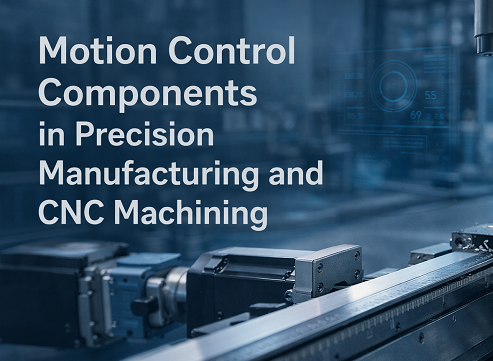
Precision manufacturing and CNC machining have become the backbone of modern industrial production. From aerospace structures and medical implants to semiconductor equipment and high-end automotive components, manufacturers are under constant pressure to deliver tighter tolerances, higher productivity, and consistent quality. At the heart of this capability lies a critical foundation: motion control components.
Motion control components translate digital instructions into precise mechanical movement. They determine how accurately, how fast, and how reliably a machine tool can position its cutting head, workpiece, or auxiliary axes. As CNC technology continues to evolve toward higher speed, higher accuracy, and smarter automation, motion control components play an increasingly strategic role in manufacturing competitiveness.
This article explores how motion control components function within precision manufacturing and CNC machining, their key types, performance requirements and system integration challenges.
Understanding Motion Control Components in CNC Systems
A CNC machine is fundamentally a coordinated motion system. Every machining operation—milling, drilling, turning, grinding, or cutting—depends on controlled movement along one or more axes. Motion control components form the system that enables this movement with precision and repeatability.
In a typical CNC architecture, motion control components include:
Motors that generate motion
Drives that regulate power and speed
Controllers that execute motion commands
Feedback devices that measure actual position and speed
Mechanical transmission elements that transfer force
These components operate as a closed-loop system. The controller sends commands, the motor executes motion, the encoder measures the result, and corrections are applied in real time. This feedback-driven process allows CNC machines to achieve micron-level accuracy even under varying loads and operating conditions.
Key Motion Control Components Used in Precision Manufacturing
Servo Motors and Direct Drive Motors
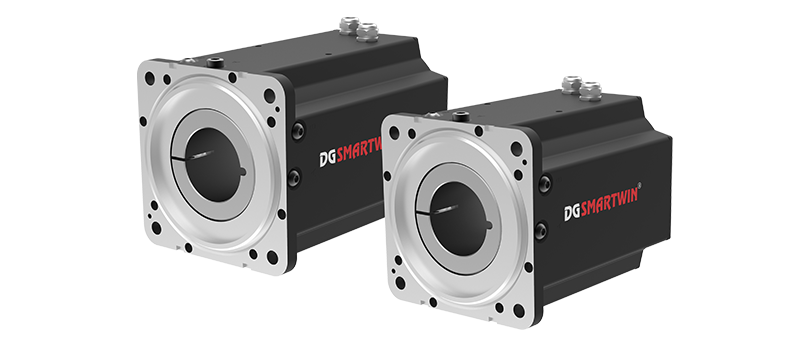
Servo motors are widely used motion control components in CNC machining due to their high precision, dynamic response, and controllability. They offer accurate torque and speed regulation across a wide operating range.
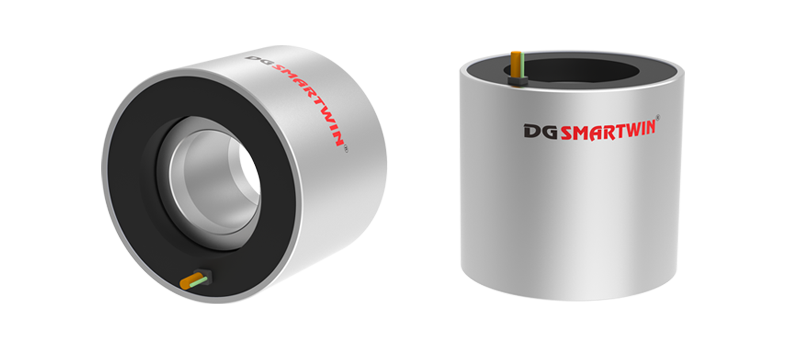
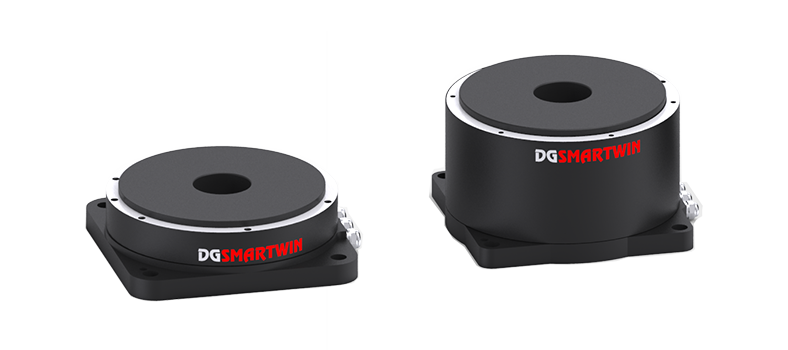
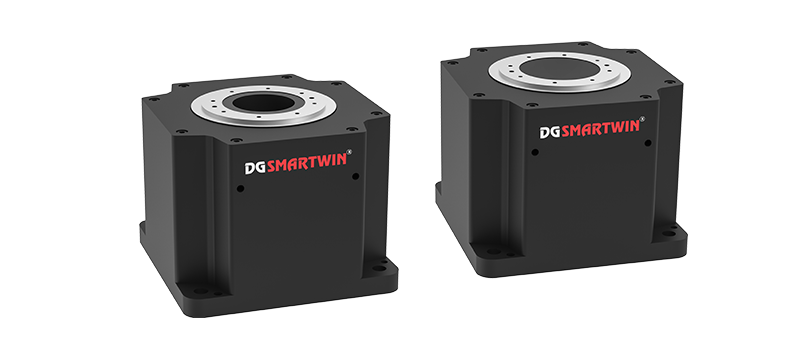
Direct drive motors eliminate mechanical transmission elements such as belts or gearboxes. By coupling the motor directly to the load, direct drive systems reduce backlash, friction, and wear—making them ideal for high-precision, high-speed applications.
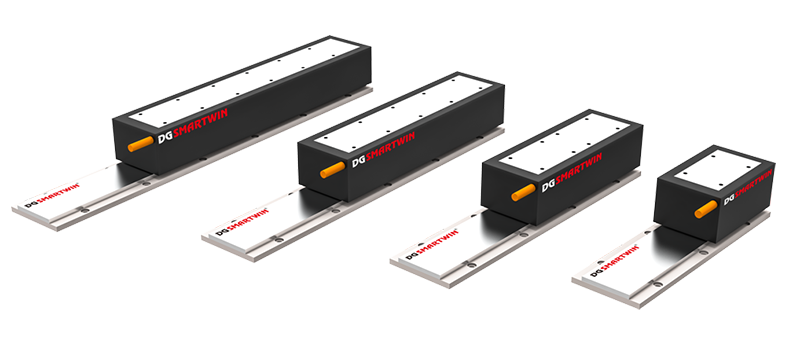
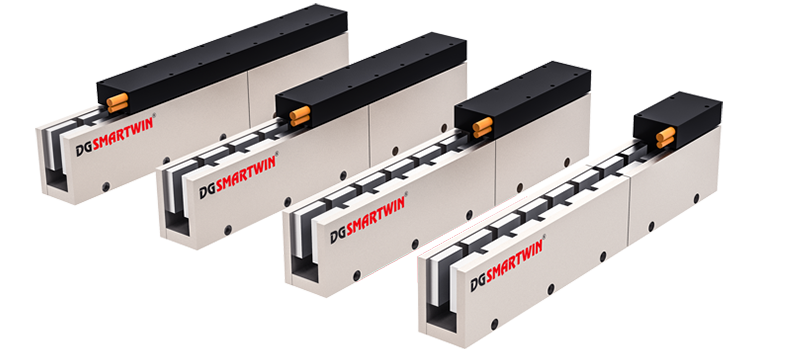
Linear Motors
Linear motors generate motion directly in a straight line without mechanical conversion. As advanced motion control components, they are increasingly adopted in high-end CNC machines where speed, acceleration, and positioning accuracy are critical.
Key advantages include:
Zero backlash
High acceleration and deceleration
Reduced maintenance due to fewer moving parts
Linear motors are particularly effective in precision manufacturing environments where surface finish and cycle time are critical performance indicators.
Motion Controllers
The motion controller acts as the “brain” of the CNC system. It processes G-code or CAM-generated tool paths and coordinates the movement of multiple axes simultaneously.
Modern motion controllers support:
Multi-axis interpolation
Real-time trajectory planning
Adaptive feed control
Advanced vibration suppression algorithms
As motion control components become more intelligent, controllers increasingly integrate communication, diagnostics, and optimization capabilities.
Drives and Amplifiers
Drives regulate voltage, current, and torque supplied to motors. High-performance drives improve system responsiveness and stability, enabling faster settling times and smoother motion profiles.
In precision CNC machining, drives must support:
High bandwidth
Low latency feedback processing
Thermal stability under continuous operation
Feedback Devices: The Foundation of Accuracy
Among all motion control components, feedback devices—especially encoders—play a decisive role in precision manufacturing.
Linear Encoders
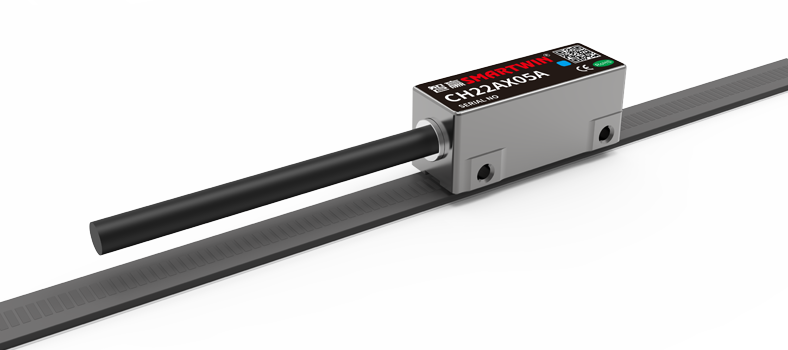
Linear encoders measure actual axis position directly along the machine bed or guideway. Unlike rotary encoders mounted on motors, linear encoders eliminate errors caused by ball screw backlash, pitch variation, and thermal expansion.
In CNC machining, linear encoders are essential for:
Ultra-high precision milling
Large-format machines with long travel distances
Applications requiring tight positional repeatability
Rotary Encoders
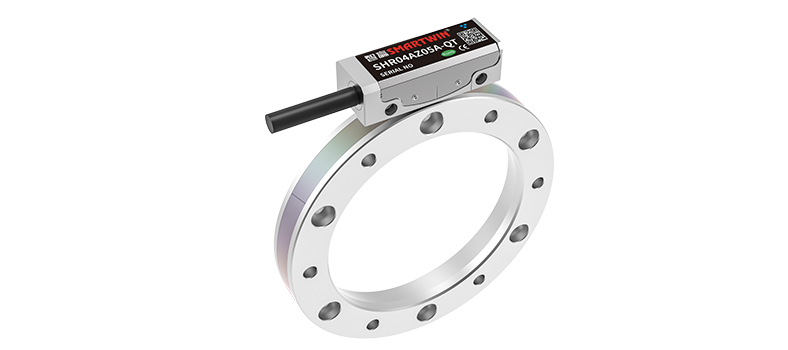
Rotary encoders provide feedback on motor or spindle rotation. They are widely used for spindle orientation, speed control, and axis positioning where mechanical transmission accuracy is sufficiently high.
High-resolution rotary encoders improve:
Tool alignment accuracy
Thread cutting precision
Synchronization between axes
Closed-Loop Control Systems
Closed-loop control is what differentiates precision CNC machines from basic automation systems. Feedback from encoders enables continuous correction of position, speed, and torque errors.
This capability allows CNC machines to:
Compensate for load changes
Maintain accuracy over long production cycles
Reduce scrap and rework
Precision Manufacturing Requirements for Motion Control Components
Accuracy and Resolution
Precision manufacturing demands positioning accuracy measured in microns—or even sub-micron levels. Motion control components must deliver high resolution, minimal drift, and long-term stability.
Encoders with fine interpolation, motors with smooth torque output, and controllers with advanced error compensation all contribute to this requirement.
Repeatability and Stability
Repeatability is just as important as absolute accuracy. In mass production environments, every part must be produced consistently over thousands of cycles.
High-quality motion control components reduce:
Mechanical wear
Thermal-induced position drift
Control instability
This ensures consistent output and predictable machine behavior.
Dynamic Performance
High-speed machining places heavy demands on motion control components. Rapid acceleration, deceleration, and frequent direction changes require systems with high dynamic response and rigidity.
Advanced motion systems use:
High-torque motors
Lightweight moving structures
Predictive motion algorithms
to maintain precision even at elevated speeds.
Motion Control Components in Multi-Axis CNC Machining
Multi-axis CNC machines, especially five-axis systems, rely heavily on precise motion coordination. Motion control components must synchronize multiple linear and rotary axes in real time.
Key challenges include:
Axis coupling errors
Complex kinematic transformations
Varying load conditions
Advanced controllers and high-resolution feedback devices enable smooth, coordinated motion, allowing tools to maintain optimal cutting angles and minimize tool wear.
Applications that benefit most include:
Aerospace components
Medical implants
Complex molds and dies
Thermal Effects and Compensation Strategies
Thermal expansion is one of the most significant sources of error in precision manufacturing. Heat generated by motors, spindles, and cutting processes can cause dimensional drift.
Modern motion control components address this challenge through:
Thermal sensors integrated into motors and encoders
Real-time compensation algorithms in controllers
Direct position measurement using linear encoders
By monitoring and correcting thermal effects dynamically, CNC machines maintain accuracy throughout long production runs.
Reliability and Lifecycle Performance
In industrial environments, downtime is costly. Motion control components must operate reliably under continuous load, vibration, and environmental stress.
High-reliability motion systems feature:
Robust mechanical design
Stable electronic components
Predictable wear characteristics
Long service life reduces maintenance costs and improves overall equipment effectiveness (OEE).
Motion Control Components and Automation Integration
As CNC machining evolves toward automation, motion control components must integrate seamlessly with:
Robotic loading systems
Automated tool changers
Vision inspection systems
Standardized communication protocols and digital interfaces allow motion components to exchange data with higher-level manufacturing execution systems (MES).
This integration enables:
Automated production scheduling
Real-time quality monitoring
Adaptive machining strategies
Smart Motion Control in Industry 4.0
Motion control components are no longer purely mechanical or electrical devices. In Industry 4.0 environments, they are intelligent data sources.
Modern systems provide:
Condition monitoring
Predictive maintenance alerts
Performance analytics
By analyzing motion data, manufacturers can identify inefficiencies, predict failures, and optimize machining processes before issues arise.
Conclusion
Motion control components form the technological foundation of precision manufacturing and CNC machining. From motors and drives to controllers and encoders, these components work together to deliver accuracy, speed, repeatability, and reliability. As manufacturing advances toward higher precision, smarter automation, and data-driven optimization, the role of motion control components will only grow in importance. Manufacturers that invest in advanced motion control technologies gain not just better machines, but a long-term competitive advantage in quality, efficiency, and innovation.