

 En



Frameless Torque Motor vs DD Motor: What Is the Difference?
Introduction
Frameless torque motors and direct drive (DD) motors are often considered for precision rotary applications, including robotic joints, rotary tables, and automated production equipment. Although both can reduce the need for conventional mechanical transmission, they describe different aspects of motor technology.
Frameless refers to the motor's mechanical construction, where the rotor and stator are supplied separately for integration into the machine. Direct drive describes how the motor transfers motion directly to the load without an intermediate gearbox or transmission stage. A torque motor, meanwhile, focuses on delivering substantial rotational torque, particularly at low speeds. Understanding these distinctions helps engineers compare motor configurations based on actual equipment requirements rather than product names alone.
What Is a Frameless Torque Motor and How Does It Work?
A frameless torque motor combines a frameless mechanical structure with an electromagnetic design focused on torque output. Instead of supplying a complete motor assembly, manufacturers provide the main electromagnetic components for integration into the customer's equipment.
How Is a Frameless Motor Constructed?
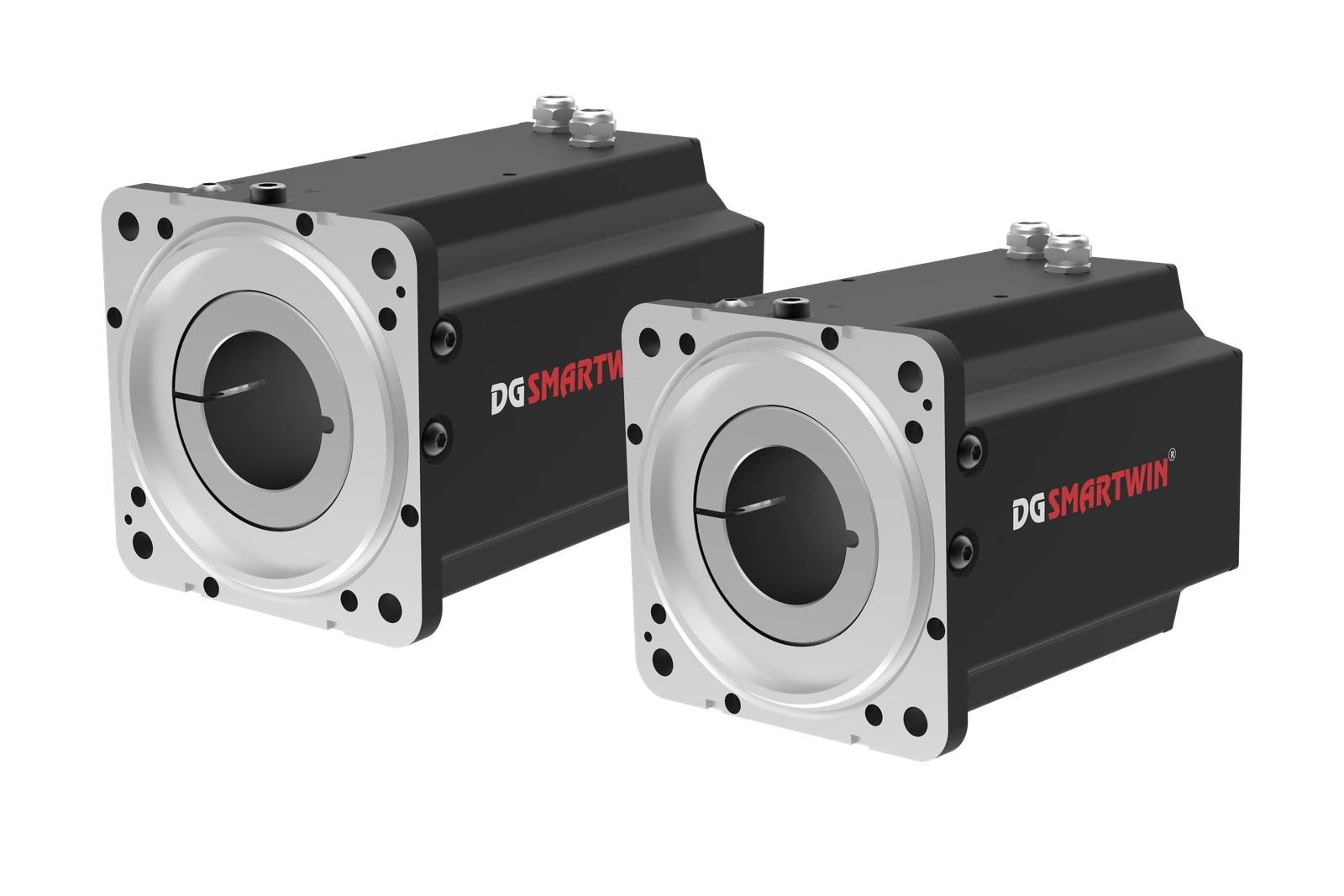
A frameless motor consists primarily of a stator containing the windings and a rotor carrying permanent magnets. During installation, the stator is secured to the stationary machine structure, while the rotor is connected to the rotating shaft or load. Unlike a conventional housed motor, the frameless design does not include a complete independent housing, shaft, or bearing assembly.
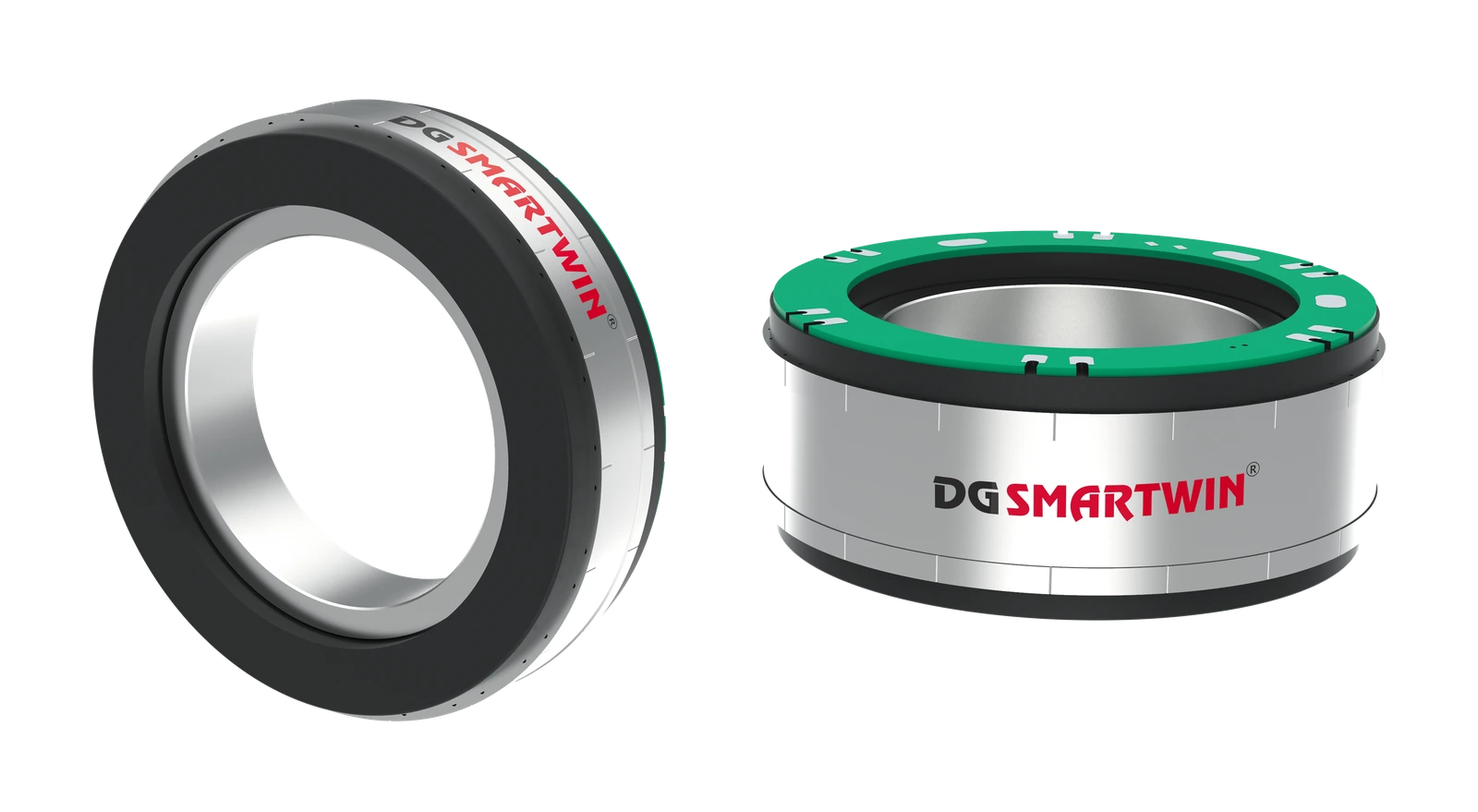
This construction gives equipment designers greater freedom over installation space and mechanical layout, particularly when the motor needs to fit inside a compact rotary mechanism. However, the surrounding structure must provide suitable bearing support, rotor alignment, mounting accuracy, and thermal management. Kollmorgen's frameless motor engineering documentation also highlights the importance of rotor mounting, stator positioning, and maintaining the required air gap during integration.
What Makes It a Torque Motor?
Torque motors are designed to generate substantial rotational force, especially at low speeds. Siemens' SIMOTICS T technical documentation explains how permanent-magnet torque motor designs use a high number of poles to produce high torque without depending on a reduction gearbox. This makes them suitable for applications where the motor needs to drive a load directly while maintaining controlled rotary movement.
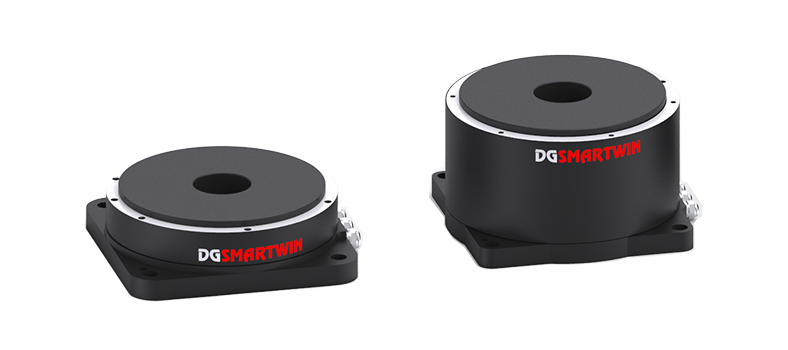
Torque density is particularly relevant when installation space is limited, but it depends on more than motor dimensions. Magnetic circuit design, winding configuration, current capacity, and cooling conditions all influence the achievable output. SMARTWIN's DDA series, for example, covers rated torque options from 3 to 220 N·m across its product range, illustrating the different output requirements addressed by its low-speed, high-torque motor family.
Continuous torque and peak torque also need to be evaluated separately. Peak torque is generally available for limited periods, such as during acceleration, while continuous torque indicates what the motor can sustain under specified thermal and operating conditions. A suitable motor must satisfy both the dynamic demands of the application and its normal operating load.
What Is a Direct Drive (DD) Motor and How Does It Work?
A direct drive motor connects directly to the driven load without an intermediate gearbox, belt, or similar transmission component. In a conventional servo system, a reducer may increase output torque while reducing rotational speed. A DD motor removes this reduction stage, so the motor must generate the torque required by the application at the load's actual operating speed.
How Does Direct Drive Differ From Traditional Motor Transmission?
Consider a rotary indexing table. A conventional servo motor may drive the platform through a reducer, whereas a DD motor connects directly to the rotating mechanism. Removing the gearbox simplifies the transmission chain and avoids backlash introduced by gear engagement, while also reducing additional friction and mechanical components.
| Comparison | Traditional Geared Drive | Direct Drive Motor |
| Power transmission | Through a gearbox | Direct connection to the load |
| Speed relationship | Determined by gear ratio | Motor and load operate at the same speed |
| Backlash | May be introduced by the gearbox | Avoids gearbox-related backlash |
| Mechanical structure | Additional transmission components | Fewer transmission stages |
| Motor sizing | Gearbox helps increase output torque | Motor supplies the required load torque directly |
However, direct drive does not eliminate every source of positioning error. Bearing friction, structural deformation, encoder performance, and servo tuning still affect the final result. Motor sizing also requires careful consideration of load inertia, acceleration, operating speed, and continuous torque because there is no reduction gearbox to compensate for insufficient motor output.
What Are the Main Types of DD Motors?
Direct drive motors can be supplied as separate rotor-and-stator assemblies or as complete housed units. A frameless DD motor requires the equipment structure to provide mechanical support and alignment, whereas a housed DD motor generally incorporates more mechanical components into the motor assembly, making installation more straightforward.
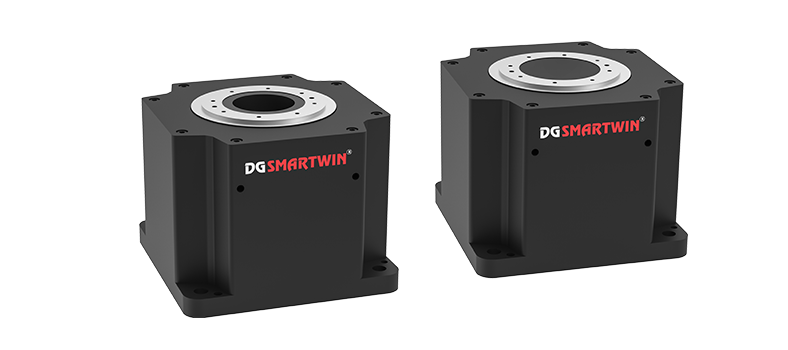
SMARTWIN's DH and DDR series illustrate different direct-drive product configurations. Across their respective ranges, the DH series covers continuous torque from 4.1 to 492 N·m, while the DDR series covers 0.8 to 1,006 N·m. The DDR range also includes hollow-shaft configurations for applications where a central passage is needed. These differences show why the selection of a DD motor should account for both output requirements and the mechanical arrangement of the equipment.
Frameless Torque Motor vs DD Motor: What Are the Key Differences?
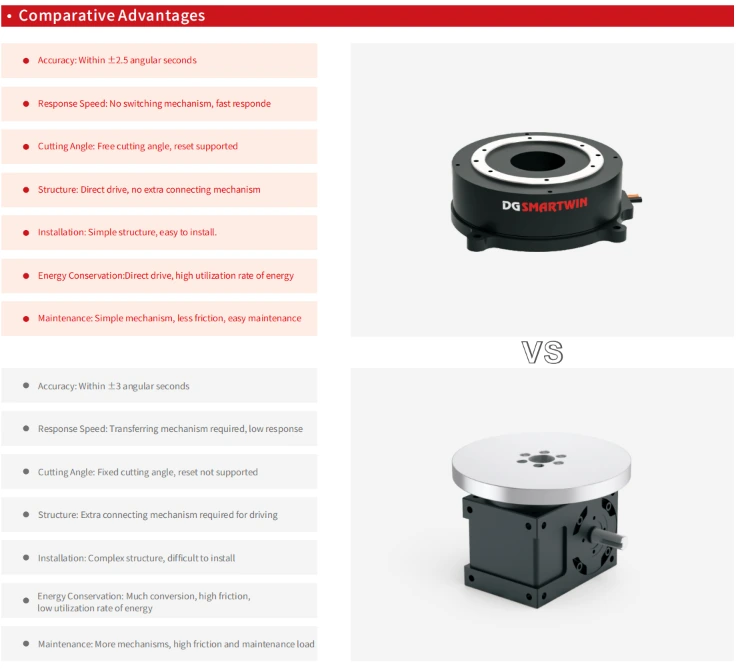
The main distinction is that frameless describes motor construction, torque motor describes electromagnetic output characteristics, and direct drive describes how the motor transfers power to its load. They are therefore not mutually exclusive classifications.
| Comparison | Frameless Torque Motor | DD Motor |
| Main characteristic | Separate rotor and stator with torque-oriented design | Directly drives the load |
| Classification | Mechanical construction and motor characteristics | Drive configuration |
| Housing | Integrated into the machine structure | Can be housed or frameless |
| Bearings | Usually provided by the surrounding assembly | Depends on motor construction |
| Main design consideration | Mechanical integration and thermal management | Load torque, speed, and drive configuration |
Can a Frameless Torque Motor Also Be a DD Motor?
Yes. Consider a robotic joint where the stator is fixed inside the stationary housing and the rotor connects directly to the rotating joint. If no intermediate gearbox is used, the motor combines frameless construction with direct-drive operation. A housed DD motor follows the same transmission principle but includes a more complete mechanical assembly.
This distinction is useful when comparing motor catalogs because a frameless torque motor and a housed DD motor may both drive rotary loads directly, even though their installation requirements are quite different. The correct comparison should therefore focus on mechanical integration, output requirements, and the complete drive arrangement.
Where Are Frameless Torque Motors and DD Motors Used?
The choice of motor configuration depends on the equipment's mechanical layout and motion requirements. Frameless designs are useful when the motor needs to become part of the machine structure, while housed DD motors can simplify installation when a more complete assembly is preferred.
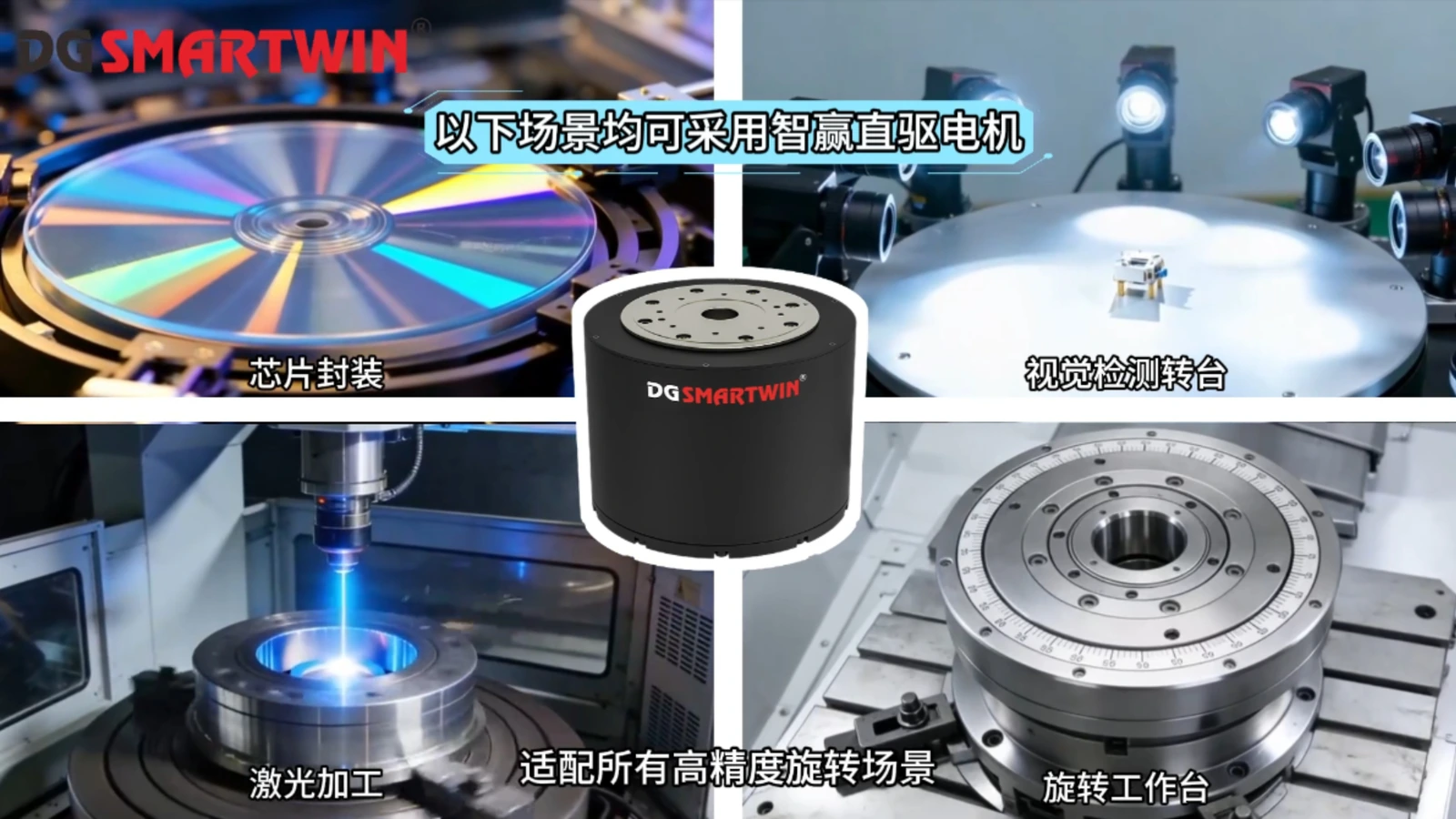
Robotic Joints and Compact Rotary Actuators
Robot joints often have limited installation space and strict weight requirements. A frameless torque motor can be integrated directly into the joint, allowing engineers to arrange the rotor, stator, bearings, and feedback components around the available space. This is particularly relevant when moving mass and motor dimensions influence the robot's dynamic response.
The mechanical support and thermal design still require attention, especially during frequent acceleration and deceleration. If the required output torque is too high for a practical direct-drive motor within the available space, a geared solution may remain the more suitable option.
Rotary Tables and Precision Indexing Systems
Rotary tables used in semiconductor inspection and automated production equipment require controlled angular movement and repeatable positioning. A direct drive motor simplifies the transmission structure by removing the gearbox between the motor and the rotating platform, which is useful when gearbox-related backlash is undesirable.
A housed DD motor may be preferable when integrated mechanical components make installation easier, while a frameless version offers more flexibility for customized rotary mechanisms. In either case, the encoder, bearing arrangement, mechanical stiffness, and servo control all contribute to the final positioning performance.
Photovoltaic and Battery Manufacturing Equipment
Different manufacturing processes place different demands on rotary motion. Photovoltaic screen-printing equipment, for example, requires consistent indexing and repeatable angular positioning. SMARTWIN's DDA360 is used in this application, with a published repeatability specification of ±2 Arc.sec. This provides a practical example of how motor and feedback performance need to be considered together in precision rotary equipment.
Battery manufacturing introduces other requirements, particularly in winding, conveying, and indexing mechanisms where load inertia and movement cycles can vary. The appropriate motor structure should therefore be selected according to the actual load, speed, acceleration, and available installation space rather than the industry name alone.
How Do You Choose the Right Frameless Torque Motor or DD Motor?
Once the application requirements are clear, selection becomes a matter of matching the motor's mechanical structure and operating characteristics to the equipment.
Consider Mechanical Integration and Installation Space
A frameless motor is worth considering when the equipment already has a suitable structure for supporting the rotor and stator. This allows the motor to become part of the machine rather than occupying additional space as a complete assembly. A housed DD motor may be more convenient when an integrated shaft, bearing arrangement, and housing are preferred, particularly where installation and maintenance access are important.
Match Torque, Speed and Thermal Requirements
Continuous torque, peak torque, operating speed, acceleration, and duty cycle need to be evaluated together. A motor that meets the peak torque requirement may still be unsuitable if its continuous output or cooling capacity cannot support the normal operating load. Rotor inertia also affects acceleration and deceleration, making the combined inertia of the motor and driven mechanism important in high-frequency indexing applications.
Check Encoder and Servo Drive Compatibility
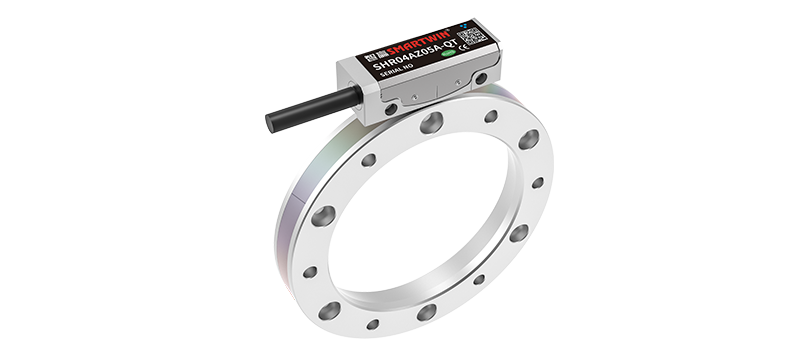
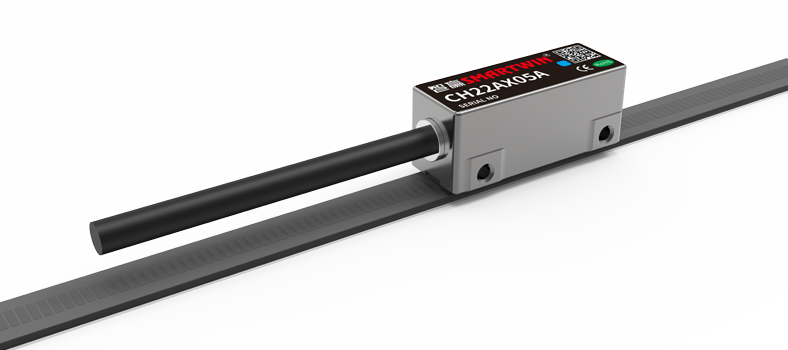
The encoder and servo drive are essential parts of a rotary motion system. Feedback resolution, electrical interface, mounting arrangement, and drive compatibility should be checked alongside the motor specifications. For applications with limited axial space, SMARTWIN's DDN series offers a useful example: its hollow, flat inner-rotor structure has a 50 mm center bore, allowing space for shafts, cables, or other machine components to pass through the motor. With a continuous torque rating of 14 N·m, this configuration illustrates how mechanical integration requirements can influence motor selection, rather than relying on torque specifications alone.
The final configuration should be verified against the specific motor, encoder, and drive documentation to ensure that mechanical installation, feedback signals, and operating conditions are compatible.
Frequently Asked Questions About Frameless Torque Motors and DD Motors
Is a Frameless Torque Motor the Same as a Direct Drive Motor?
Not exactly. Frameless describes mechanical construction, while direct drive describes how the motor transfers power to the load. A frameless torque motor is also a DD motor when it drives the load directly without an intermediate transmission stage.
Can a Direct Drive Motor Have a Housing?
Yes. Direct drive refers to the transmission arrangement, not the presence of a housing. A housed DD motor can include its own shaft and bearings while still connecting directly to the load.
Do Frameless Torque Motors Require External Bearings?
Generally, yes. Most frameless motor kits do not include a complete bearing assembly, so the equipment structure must provide suitable mechanical support. Bearing selection depends on the load, shaft arrangement, alignment, and operating requirements.
How Do You Select a Torque Motor for a Rotary Application?
Start with continuous and peak torque, operating speed, acceleration, duty cycle, and thermal conditions. Then consider installation space, rotor inertia, bearing arrangement, encoder feedback, and servo drive compatibility. The complete motion system should be evaluated rather than selecting a motor based on torque alone.
Conclusion
Frameless torque motors and DD motors describe different aspects of rotary motion technology. Frameless refers to mechanical construction, torque motor describes electromagnetic characteristics, and direct drive defines how the motor connects to its load. A frameless torque motor can also operate as a DD motor when it drives the load directly.
The right configuration depends on the machine's installation space, mechanical integration, torque requirements, and feedback system. By evaluating these factors together, equipment designers can choose a motor that meets both the mechanical and operating requirements of the application.
SMARTWIN provides different rotary motor solutions for precision equipment and automation applications. Its product range includes frameless, direct-drive, and low-speed high-torque configurations for different rotary motion requirements.
Contact Smartwin to discuss your frameless torque motor and DD motor requirements.
Technical References
Kollmorgen – Frameless Motor Selection Guide
https://www.kollmorgen.com/sites/default/files/Kollmorgen_Frameless_Motor_Selection_Guide_UK.pdf
Kollmorgen – Housed Direct Drive Rotary Motor Selection Guide
https://www.kollmorgen.com/sites/default/files/Kollmorgen_Housed_DDR_Motors_Selection_Guide.pdf
Siemens – SIMOTICS T Torque Motors
https://www.siemens.com/lt-lt/products/simotics/torquemotors/
Siemens – SIMOTICS T Configuration Manual
https://support.industry.siemens.com/cs/attachments/60151497/1FW3_config_man_0822_en-US.pdf
SMARTWIN Official Website
https://www.zhiyingmotor.com/
Back To List