

 En
En



Why Are Iron Core Linear Motors So Expensive? Key Cost Factors Explained
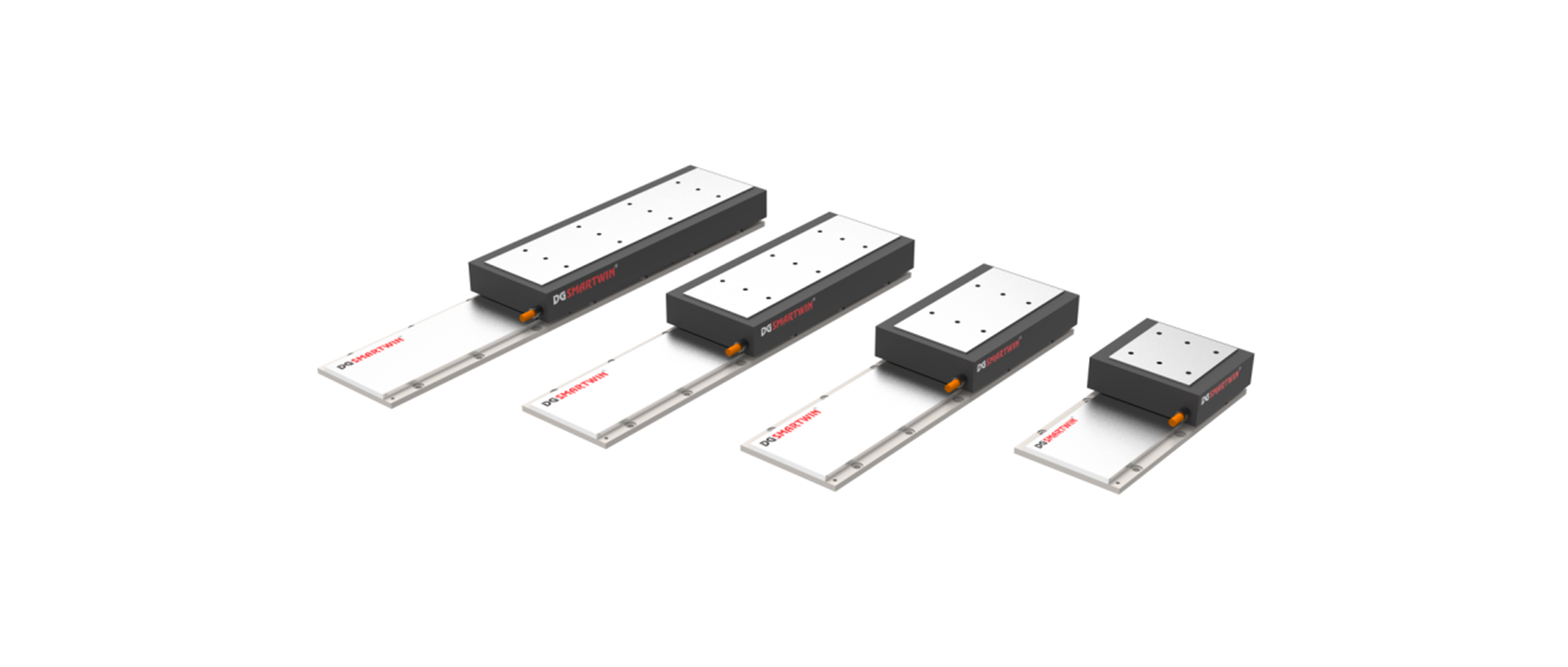
In this article, we will explain the key factors behind iron core linear motor price, why cheap alternatives may cost more over time, and how Smartwin can help you balance cost, performance, and reliability for your machine.
Table of Contents
1.Why Iron Core Linear Motor Price Seems High at First
2.Key Components That Increase Iron Core Linear Motor Cost
3.Precision Manufacturing and Testing Add Hidden Value
4.The Hidden Cost of Cheap Iron Core Linear Motors
5.How Smartwin Helps You Get Better Value from an Iron Core Linear Motor Investment
Why Iron Core Linear Motor Price Seems High at First
The first reason iron core linear motor price seems high is simple: you are not comparing the same type of motion technology.
A ball screw or belt drive usually converts rotary motion into linear motion through mechanical parts. An iron core linear motor, however, generates linear force directly. It removes many intermediate transmission components and provides direct drive motion for your machine.
This difference affects both cost and performance. With a direct drive linear motor, you can reduce backlash, mechanical wear, transmission delay, and maintenance caused by contact-based drive parts. For applications that need high thrust, fast acceleration, or precise positioning, this can bring real production value.
So the better question is not only:“Why is this motor expensive?”The better question is:“What performance, reliability, and long-term savings can this motor bring to my machine?”
For your project, a higher upfront price may be reasonable if it helps improve throughput, reduce maintenance, shorten cycle time, or improve motion stability.
Key Components That Increase Iron Core Linear Motor Cost
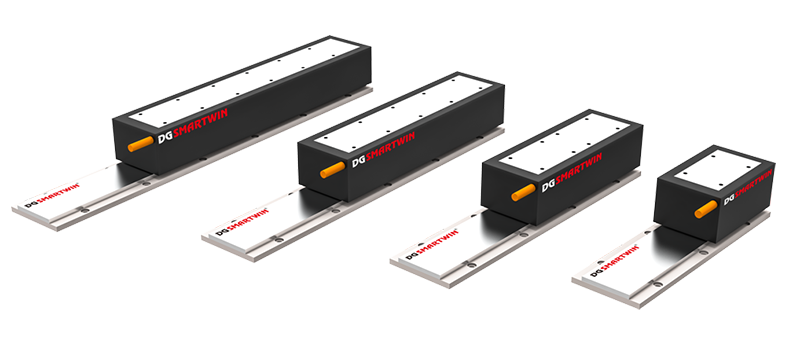
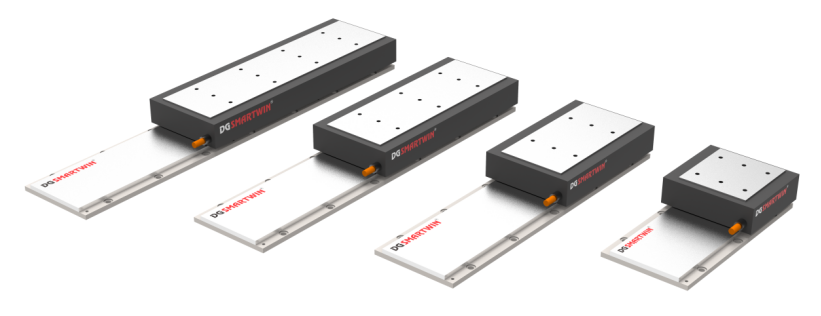
The base iron core linear motor cost comes from the materials and structure required to generate strong linear thrust.
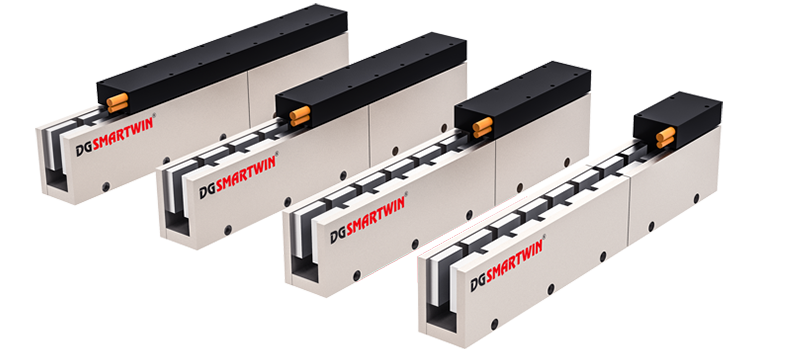
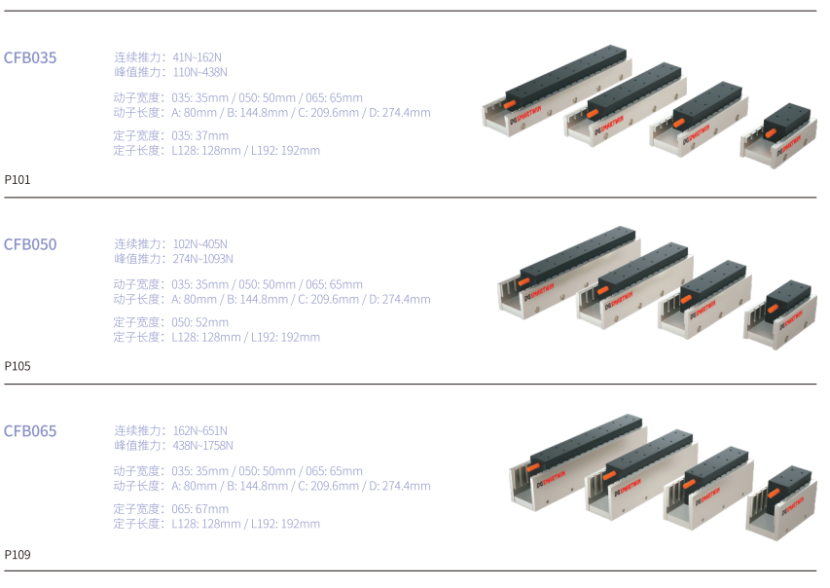
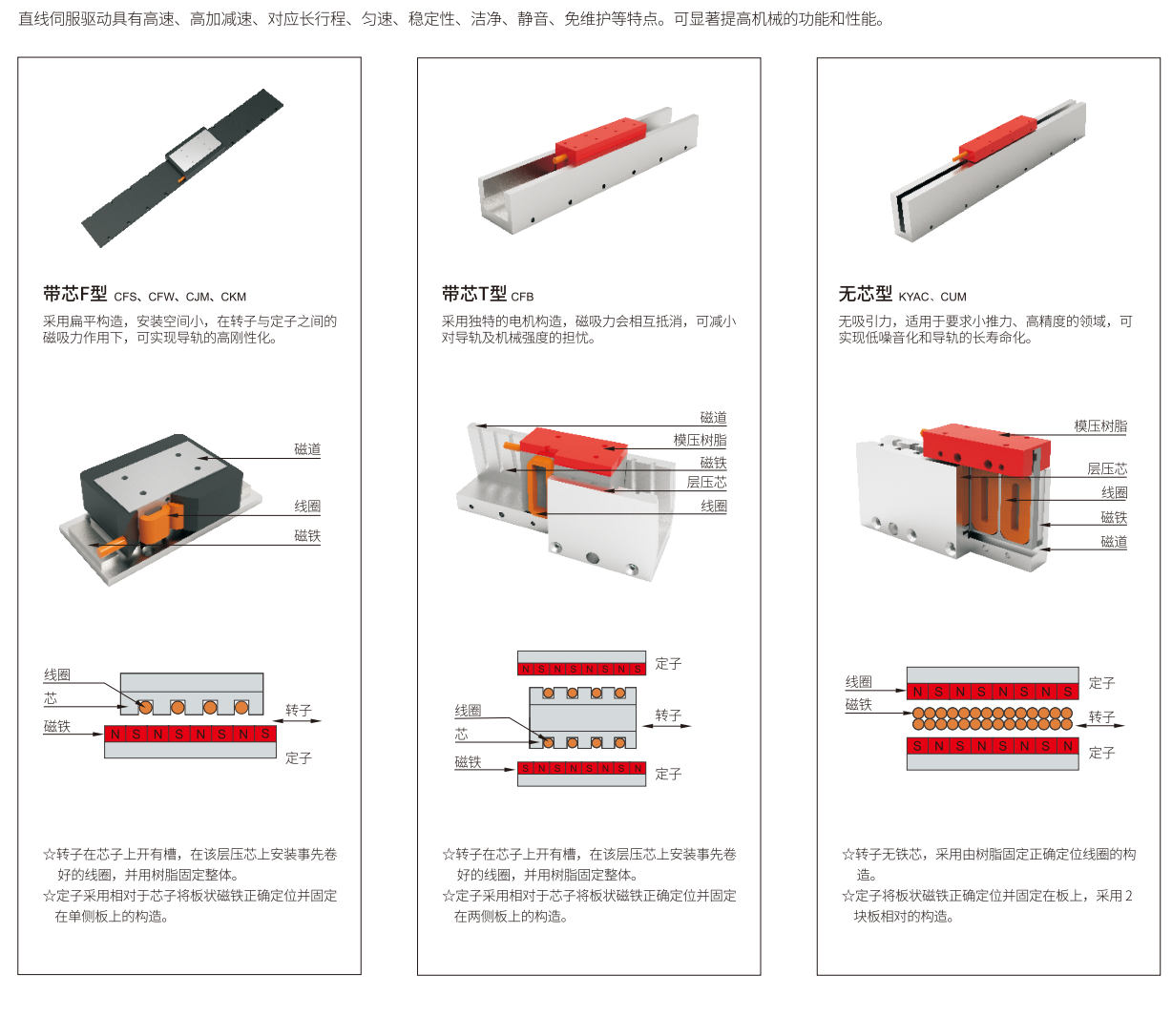
An iron core motor usually requires high-performance magnets, copper windings, an iron core structure, insulation materials, and a magnetic track. These components are not simple accessories. They directly affect thrust output, thermal behavior, efficiency, and service life.
For example, if your machine requires a high thrust linear motor, the motor must be built with stronger magnetic force, suitable coil design, and a stable iron core structure. The magnetic track also becomes an important cost factor, especially when your application requires a longer travel distance.
Here is a simple view of where the material cost comes from:
Component | Why It Affects Cost |
Magnets | Affect thrust force and motor performance |
Copper windings | Affect current capacity, efficiency, and heat |
Iron core | Improves force density but requires precise structure |
Magnet track | Affects stroke length and total system cost |
Insulation and sealing | Affect safety, durability, and long-term reliability |
This is why two motors may look similar from the outside but perform very differently in real operation. The material grade, magnetic design, winding quality, and track structure all influence the final price.
Precision Manufacturing and Testing Add Hidden Value
A high-quality iron core linear motor is not only expensive because of its materials. Part of the cost comes from the manufacturing process you cannot easily see from the outside.
Precision manufacturing affects:
coil winding consistency
iron core assembly
magnet track alignment
air gap control
insulation quality
thrust stability
thermal performance
noise and vibration behavior
For an industrial motion system, small manufacturing errors can lead to unstable force output, excessive heating, poor smoothness, or reduced life. This is especially important when your machine runs at high speed, high acceleration, or high duty cycle.
Testing also adds value. A reliable motor should go through performance checks before delivery, such as insulation testing, thrust verification, temperature evaluation, and quality inspection. These steps increase production cost, but they help reduce your risk after installation.
A lower-cost motor may save money at the beginning, but if it has poor winding quality, unstable thrust, weak insulation, or insufficient testing, you may pay more later through downtime, replacement, or machine adjustment.
That is why linear motor quality should be considered part of the price, not something separate from it.
The Hidden Cost of Cheap Iron Core Linear Motors
A cheap linear motor may look attractive at first, but a lower purchase price does not always mean lower total cost. If the motor cannot provide stable thrust, heat control, or positioning performance, it may lead to frequent adjustment, maintenance, or replacement.
Common risks include insufficient thrust, overheating, unstable motion, positioning errors, shorter service life, and unexpected downtime.
For industrial equipment, downtime and rework can cost more than the motor itself. That is why you should compare not only the purchase price, but also reliability, system compatibility, and linear motor total cost of ownership.
If your application requires high thrust, continuous operation, or stable precision, investing in a reliable industrial linear motor from the beginning may be the more cost-effective choice.
How Smartwin Helps You Get Better Value from an Iron Core Linear Motor Investment
A good iron core linear motor investment is not about choosing the most expensive motor. It is about choosing the motor that fits your machine, your performance target, and your budget.
You can get better value by asking these questions:
Do I really need the highest thrust model?
Am I comparing motor price or full system cost?
Does the motor match my machine structure?
Will the system remain stable during long-term operation?
Is a standard model enough, or do I need customization?
Can the supplier help me avoid over-specifying or under-specifying?
At Smartwin, we do not only look at the motor price. We help you think about the complete motion requirement.
For your project, this means we can help you consider both performance and cost. With our professional R&D team and application experience, we can help you evaluate a practical Smartwin linear motor solution based on your force requirement, installation condition, budget, and long-term reliability needs.

We can also help you understand which configurations are necessary and which may be optimized. In some cases, a standard model may meet your requirement and help control cost. In other cases, a custom solution may reduce machine modification, improve system fit, and lower project risk.
If you are not sure whether an iron core linear motor is worth the cost for your machine, Smartwin can help you evaluate your performance requirements, budget, and application needs to recommend a practical linear motor solution.
The goal is not simply to reduce the purchase price. The goal is to help you get better value from your iron core linear motor cost through the right balance of thrust, reliability, system compatibility, and long-term performance.
FAQs
1. Why are iron core linear motors so expensive?
Iron core linear motors are more expensive because they use high-performance magnets, copper windings, iron core structures, magnetic tracks, precision assembly, and testing. They are designed for direct drive motion, high thrust, fast response, and long-term reliability.
2. What affects iron core linear motor cost?
The main cost factors include magnet quality, coil design, iron core structure, magnetic track length, insulation materials, manufacturing precision, testing requirements, and overall system configuration.
3. Is an iron core linear motor more expensive than a ball screw or belt drive?
Yes, the upfront cost is usually higher. However, an iron core linear motor provides direct linear force without mechanical transmission parts, helping reduce backlash, wear, transmission delay, and maintenance in suitable applications.
4. Why does the magnetic track affect linear motor price?
The magnetic track is a key part of the motor system. Longer strokes require longer magnetic tracks, which means more magnetic material and higher manufacturing cost.
Back To List