

 En
En



How to Select the Right Motion Control Components for Your Application
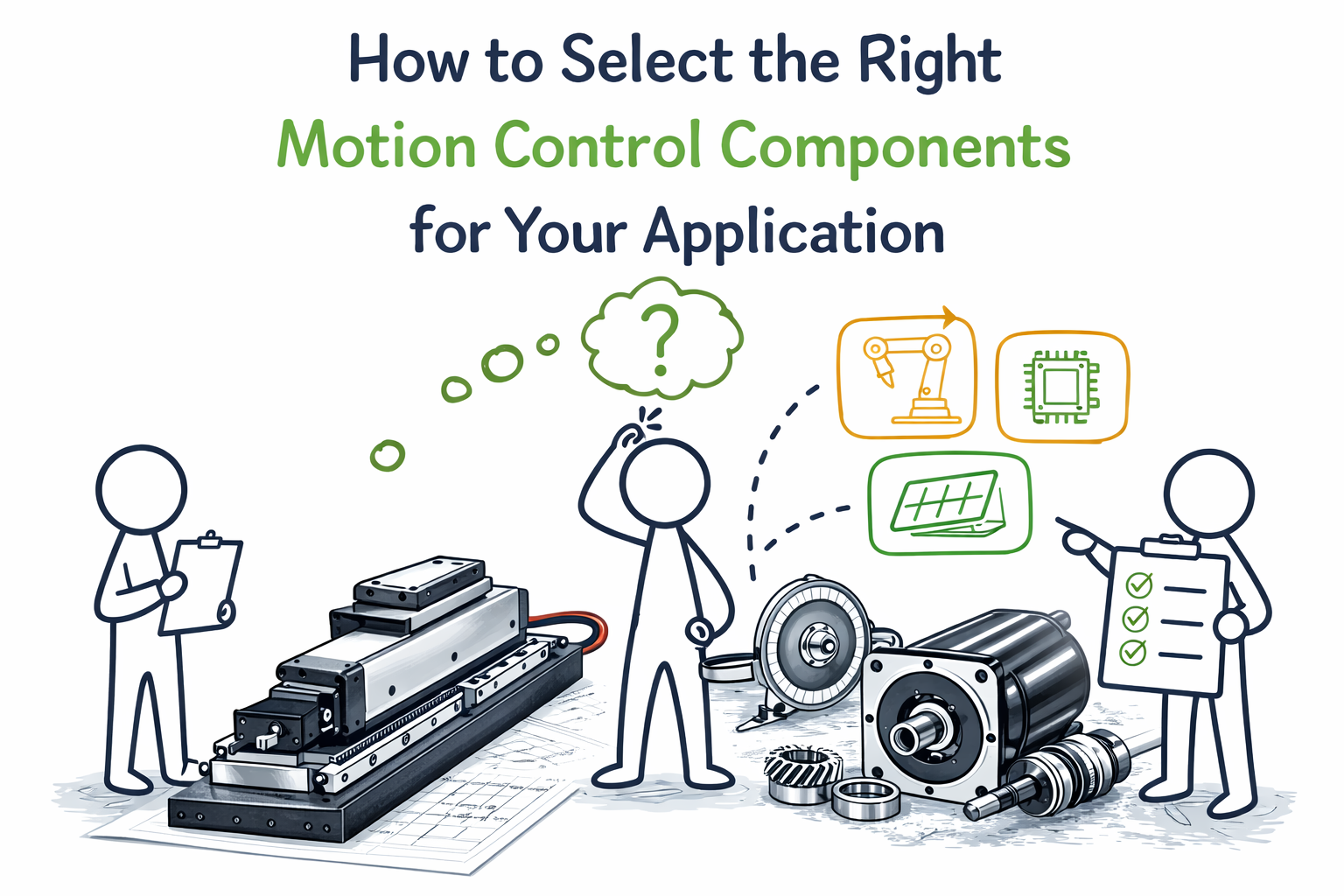
Selecting the right motion control components is critical for designing efficient, reliable, and precise automation systems. Whether you are building CNC machines, robotic systems, industrial conveyors, or medical devices, choosing the proper components ensures performance, durability, and cost-effectiveness.
This guide will help you understand the selection process, key criteria, and best practices for motion controllers, motors, sensors, and other critical devices.
Define Your Motion Control Requirements
The first step in selecting motion control components is to define your application requirements. Ask yourself the following:
What type of motion is needed? Linear, rotary, or multi-axis?
What level of precision and repeatability is required?
What speed, acceleration, and torque ranges must be supported?
Are you implementing a closed-loop or open-loop system?
What environmental conditions will the system operate in?
Clearly defining these parameters helps you match your needs to available solutions and avoid over- or under-engineering your system. For instance, a robotic motion controller may require real-time processing and multi-axis synchronization, whereas a linear motion control application might prioritize high accuracy and smooth motion.
Choose the Appropriate Motion Controller
The motion controller is the brain of your motion system. It interprets commands, generates motion trajectories, and coordinates other components. Key factors to consider:
Type of controller:
Programmable motion controller – suitable for custom multi-axis applications.
Servo motion controller – ideal for high-precision, closed-loop servo systems.
Stepper motion controller – cost-effective solution for open-loop, low-speed applications.
Industrial motion controller – designed for harsh environments and heavy-duty machinery.
Interface and communication protocols: Ethernet, EtherCAT, CANopen, or proprietary interfaces. Modern industrial motion control systems often use ethernet motion control for real-time, high-speed data transfer.
Integration with software and sensors: Ensure compatibility with PLCs, feedback encoders, and HMI systems.
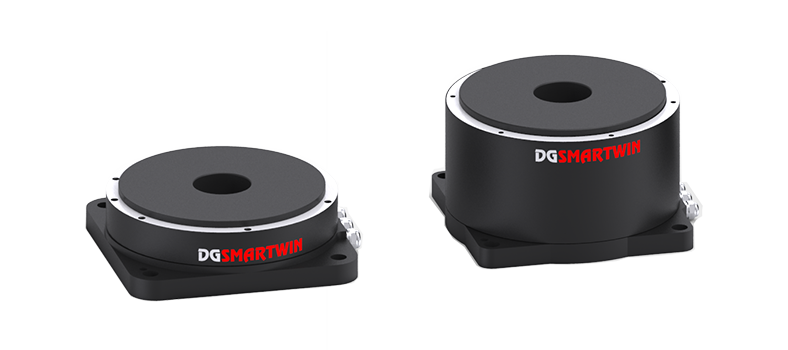
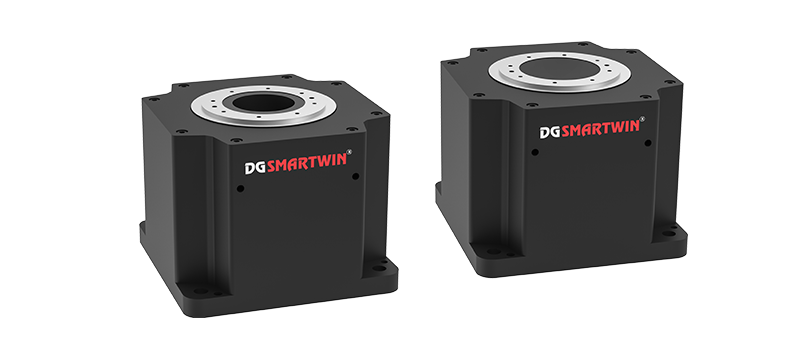
Select the Right Motor for Motion Control
The motor converts electrical energy into mechanical motion. Selecting the correct motor type is critical:
Stepper motors: Good for simple, low-speed, and cost-sensitive applications.
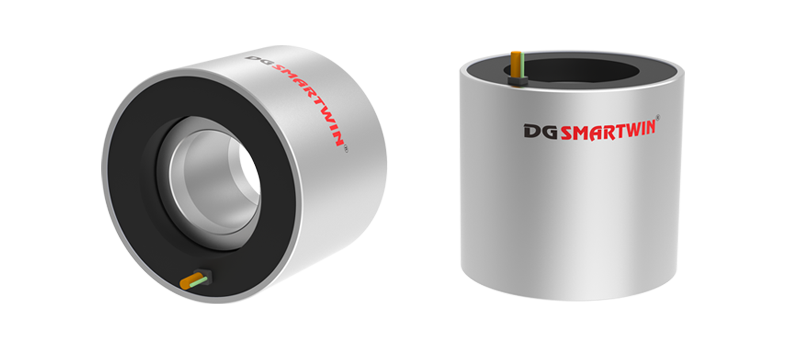
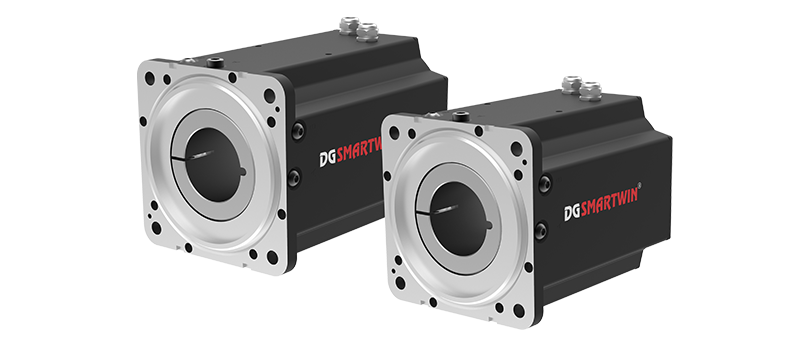
Servo motors: Provide high accuracy, fast response, and closed-loop control, often paired with a servo motion controller.
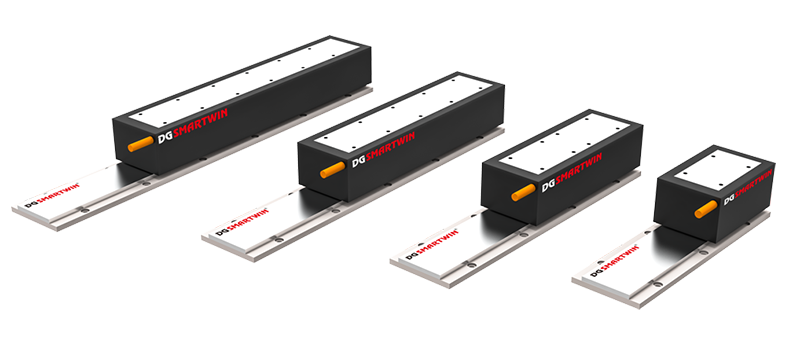
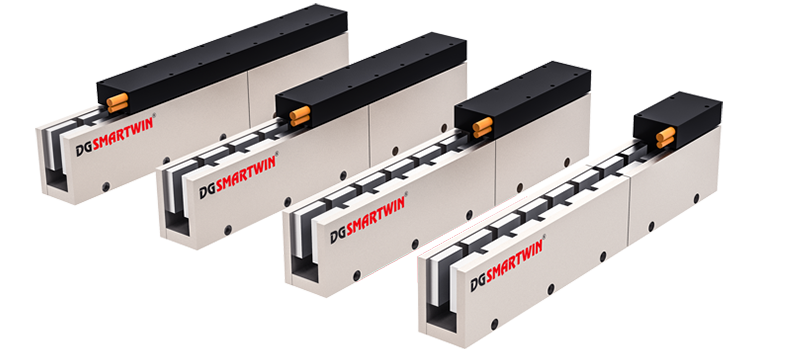
Linear motors: Directly drive linear motion without rotary-to-linear conversion, reducing backlash and improving precision.
When evaluating motors, consider torque, speed, acceleration, duty cycle, and thermal characteristics. Matching the motor to the controller ensures optimal performance and energy efficiency.
Evaluate Motion Control Sensors and Feedback Devices
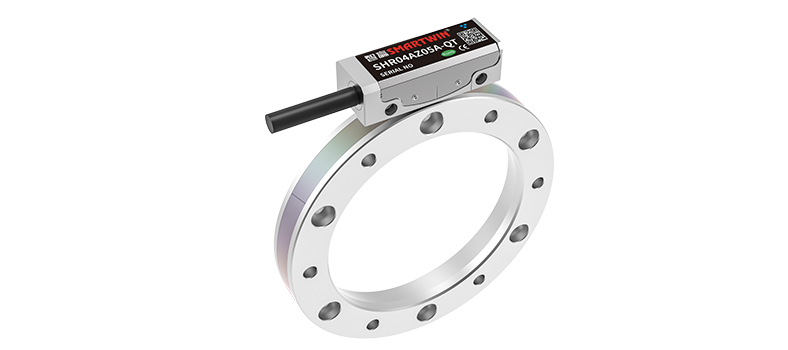
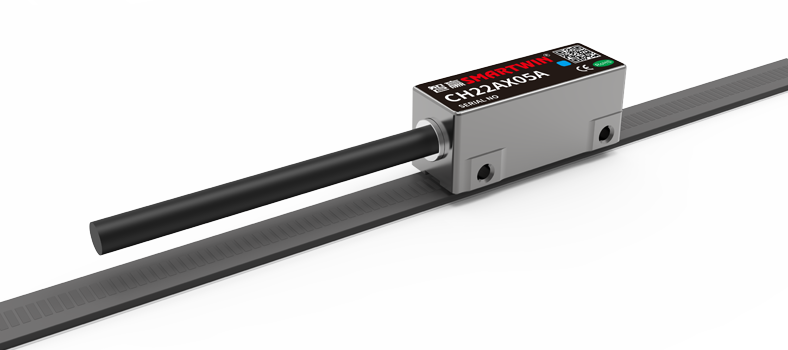
A motion system is only as accurate as its feedback. Motion control sensors provide real-time data on position, velocity, and acceleration. Common types include:
Encoders: Absolute and incremental, used for both linear and rotary motion.
Linear scales: Measure displacement in linear motion applications.
Motion control sensors integrated with robotic or CNC systems provide critical feedback to maintain precision.
Choosing high-resolution and high-accuracy sensors ensures that your system can achieve precision motion control and avoid cumulative errors.
Consider the Environment and Load Conditions
The operating environment directly affects component selection:
Temperature and humidity: Some industrial motion control systems require high-temperature motors or sealed sensors.
Vibration and shock: Robust mechanical construction and shock-resistant controllers are required in harsh industrial settings.
Contamination: Dust-proof or waterproof enclosures protect sensitive electronic motion control devices.
Additionally, the load itself must be considered. Heavy or uneven loads may require higher torque motors, reinforced actuators, or additional mechanical support.
Integration and System Compatibility
Motion control components must work together seamlessly. Consider:
Controller-to-motor communication: Protocols, speed, and synchronization.
Sensor feedback loops: Closed-loop vs open-loop configurations.
Power supply compatibility: Ensure voltage and current match the system requirements.
Mounting and mechanical interface: Proper alignment, support, and backlash reduction.
Well-integrated components reduce errors, simplify programming, and extend system lifespan.
Advanced Features and Future-Proofing
Modern motion control systems often include intelligent motion control features such as:
Predictive diagnostics for maintenance planning
Real-time monitoring and IoT connectivity
Programmable logic for automation flexibility
Compatibility with Industry 4.0 standards
Selecting advanced motion controllers or motion control modules with upgrade paths ensures your system remains relevant as technology evolves.
Working with a Motion Control Partner
For complex or high-precision applications, collaborating with a motion control solution provider can simplify the selection process. Experts can:
Recommend the correct motion control devices for your application
Integrate motors, sensors, and controllers into a unified system
Provide ongoing support, software updates, and troubleshooting
Partnering with experienced suppliers ensures faster deployment and long-term reliability.
Conclusion
Selecting the right motion control components requires a balance between system requirements, environmental conditions, performance targets, and cost. By carefully evaluating controllers, motors, sensors, and integration requirements, engineers can design high-performing industrial motion control systems for CNC machines, robotics, medical equipment, elevators, and more. Investing in the right components from the start improves precision, reliability, and scalability, ensuring your automation systems meet current and future demands.